
Norfolk heritage builders and specialists
Norfolk firms that repair and build in thatch, lime, flint, clay lump, carrstone, timber and iron. Every phone number and email was checked in August 2026.
How Norfolk’s older houses are built and how to look after them: clay lump, flint, carrstone, reed thatch and lime render. There is also a guide to buying a period home and a directory of specialist builders.
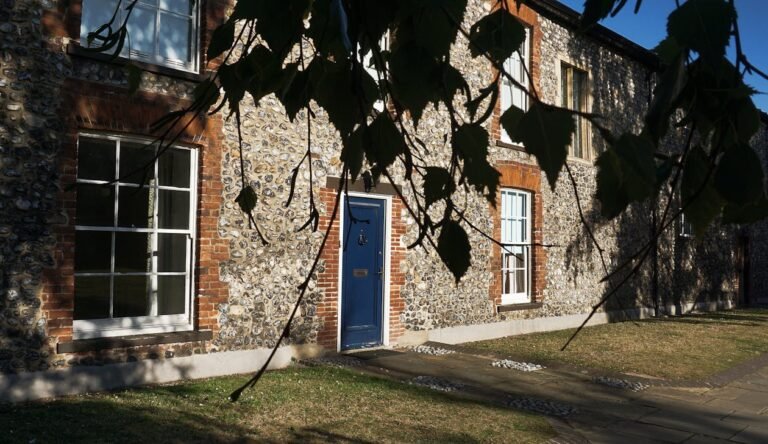
Norfolk firms that repair and build in thatch, lime, flint, clay lump, carrstone, timber and iron. Every phone number and email was checked in August 2026.
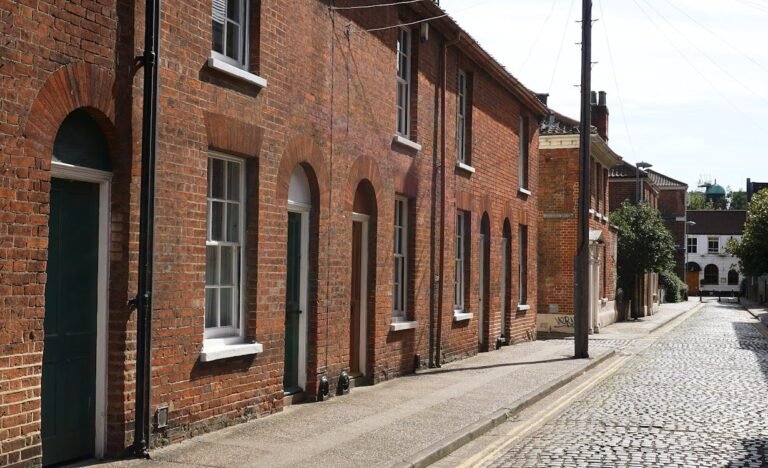
Before offering on an old Norfolk house, find out whether it is listed, whether it is in a conservation area and what its walls and roof are made of. This page covers the law and the money.
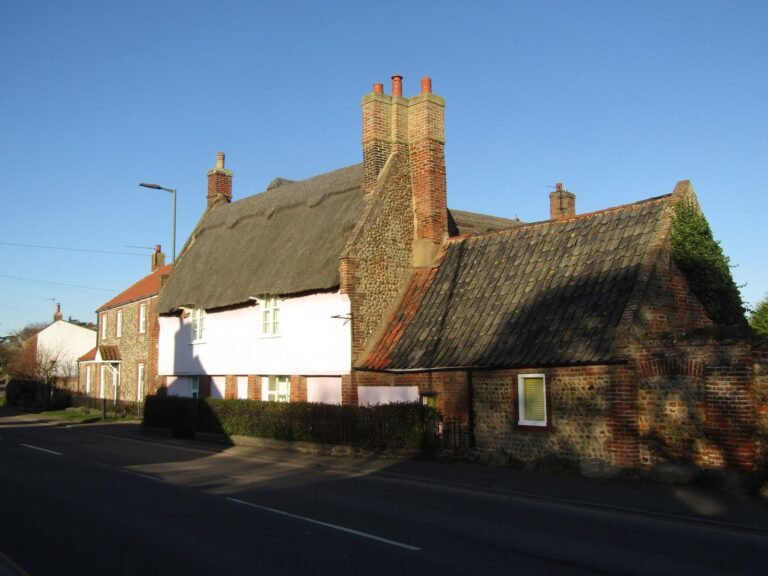
Solid walls in older Norfolk houses stay sound by letting rain soak in and dry out. Lime mortar, lime render and limewash allow that; cement render and cement pointing do not.
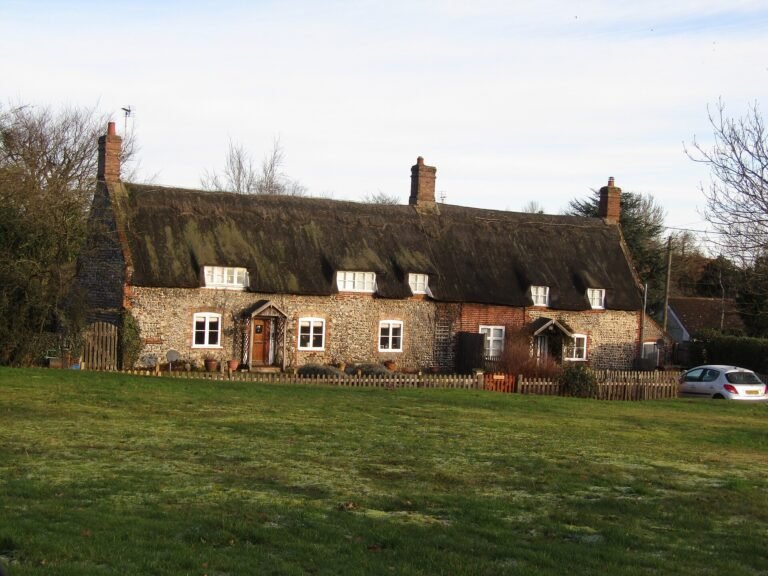
Norfolk reed is the trade name for water-reed thatch, not a guide to where it grew. Historic England puts imported reed at 97% of all reed now used in thatching.
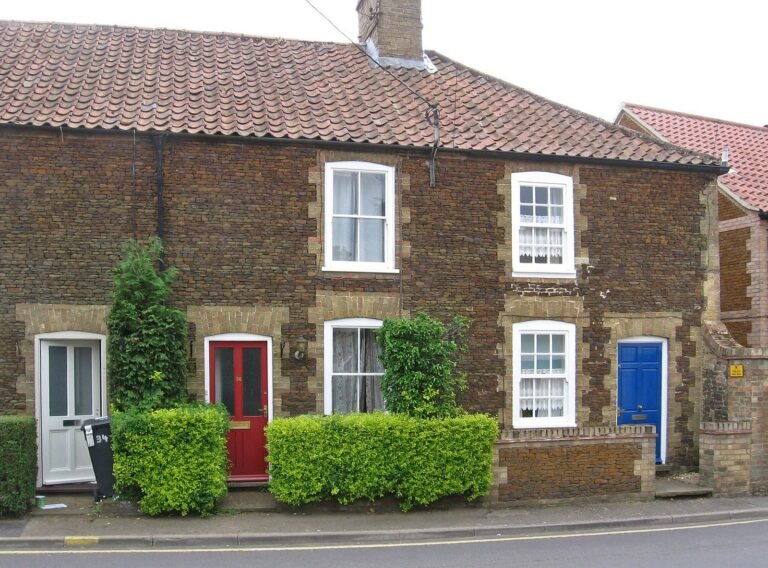
Carrstone is a rust-brown sandstone found in Norfolk walls only along the western edge of the county, from Hunstanton south to the Fen edge. On a carrstone house, check the mortar.
Most of Norfolk’s older walls are flint because the county has almost no building stone of its own. On a flint house the part that needs looking after is the mortar, which has to be lime.
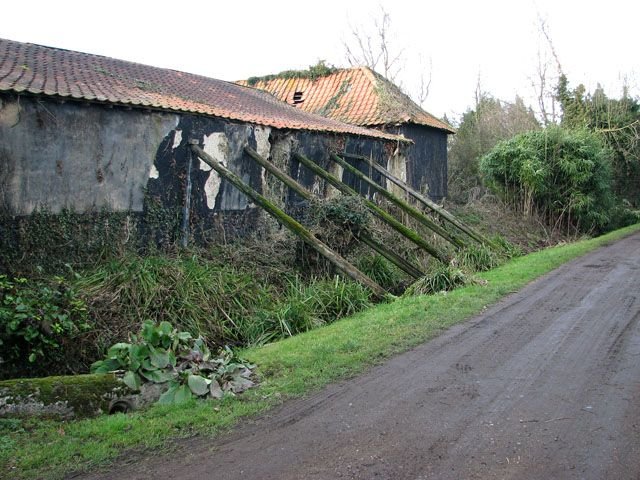
Many older rendered cottages in south Norfolk villages are built of unfired clay blocks. A clay-lump wall lasts as long as it can dry out, so find out what the walls are before you buy.
Norfolk’s older buildings are made of what was in the ground or growing nearby: flint, carrstone, clay lump and reed. Their solid walls stay sound only if they can dry out through lime.
All 46 towns we cover on one table, on price, council tax, trains, distances, broadband and schools, plus a week-by-week move checklist. It downloads the moment you subscribe. After that, an occasional email when we publish a new guide or new house price figures.
Occasional emails. Unsubscribe any time.
© 2026 Norfolk Living Guide
This site uses cookies for analytics (Google Analytics) and to remember your preferences. Privacy policy.