All practical guides
Norfolk flood risk: what to check before you buy
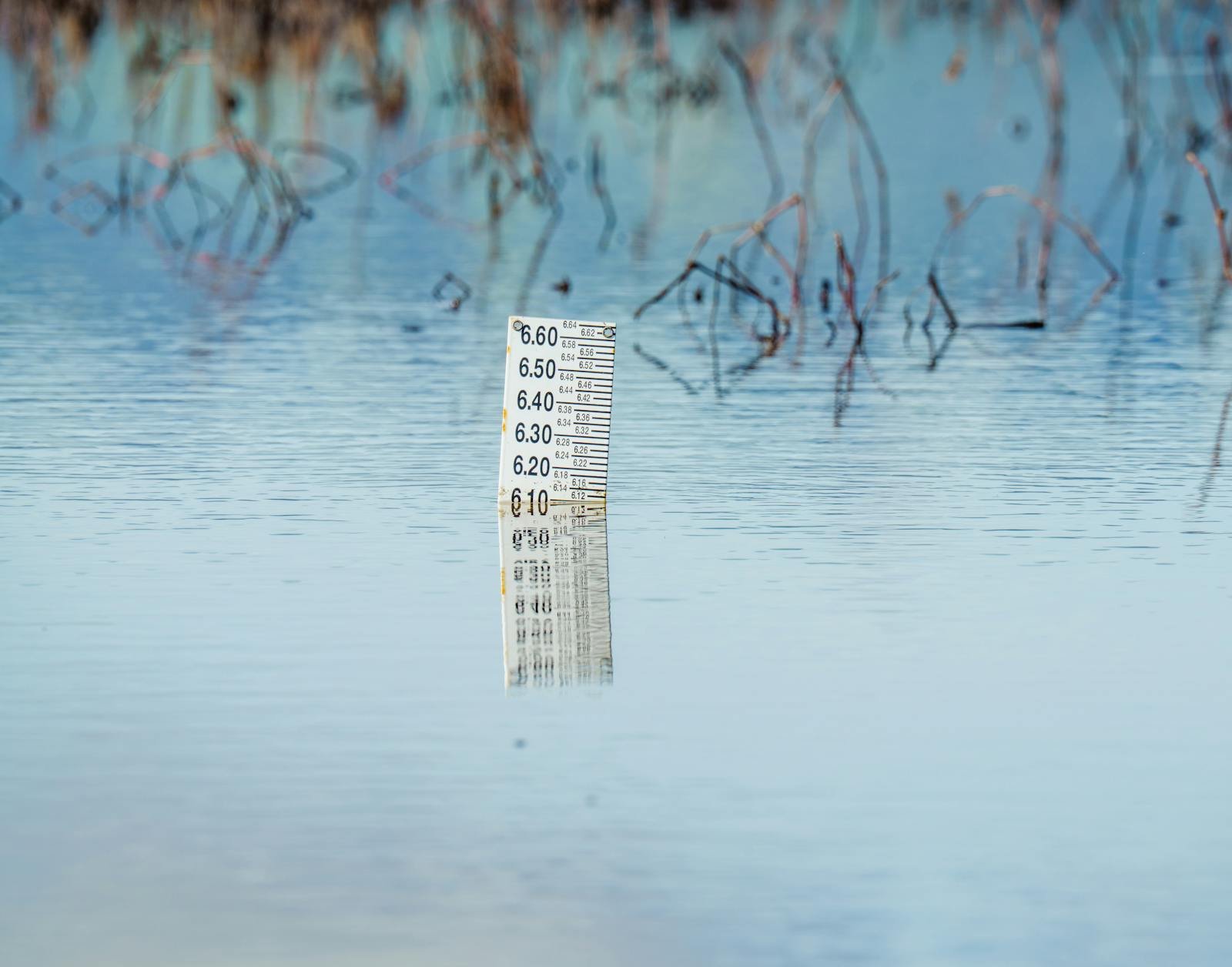
Flood risk is no reason to write off whole areas of Norfolk. Read the flood maps, get insurance quotes before exchange, and find out which defences protect the postcode.

In brief
Large pockets around the Broads, the Fens, the North Norfolk coast, Great Yarmouth and King’s Lynn sit in Environment Agency Flood Zone 2 or 3. What a buyer needs is to know how to read the flood maps, to get insurance quotes before exchanging contracts, and to understand which defences protect the particular postcode. For homes that qualify, the Flood Re scheme, due to run until 2039, exists to make flood cover easier to get and more affordable.
Why Norfolk floods
Norfolk sits on the eastern edge of England and juts out into the North Sea. Parts of the Fens and the Broads are at or below sea level. It also has a long, low coastline, several slow-moving rivers and flat ground that drains poorly after heavy rain.
Moving to Norfolk this year?
Get the free Norfolk Relocation Pack: all 46 towns we cover on one table, on price, council tax, population, trains and distance to Norwich, plus a week-by-week move checklist. The download appears here as soon as you enter your email.
Unsubscribe any time.
Three kinds of flooding
Coastal and tidal flooding
The North Norfolk coast and the stretch from Great Yarmouth down to Lowestoft are vulnerable to tidal surges, particularly when strong northerly winds coincide with high spring tides. The worst on record was the North Sea flood of January 1953. The tidal surge of 5 December 2013 was not smaller: in some places along the east coast it reached higher levels than in 1953. Erosion is a separate problem from flooding, covered in our coastal erosion guide.
River flooding
Norfolk’s rivers move slowly across very flat land, which means they can back up quickly after sustained rainfall. The ones to know are the Wensum, which runs through Norwich, the Yare, the Bure, the Waveney, and the Great Ouse around King’s Lynn. The Broads, the network of rivers and shallow lakes in the east of the county, are harder still, because the water table there is already so high. Wroxham, Stalham, Acle and Loddon all sit close to Broads waterways and all include pockets of Flood Zone 2 and 3 land.
Surface water flooding
Because the county is so flat, rainwater has nowhere obvious to go. After a heavy downpour it can pool in low spots, overwhelm the drains and flood properties nowhere near a river or the coast. This kind of flooding is harder to predict from maps alone. It tends to hit individual streets or estates, not whole towns, and it can happen almost anywhere in Norfolk. Check the Environment Agency’s surface water maps alongside the river and coastal ones.
Environment Agency flood zones
The Environment Agency’s flood map for planning puts land into one of three flood zones, which councils use when deciding planning applications.
- Flood Zone 1, low risk: less than a 0.1% chance of flooding from rivers or the sea in any given year. Most of inland Norfolk is in Zone 1, though river valleys run through it and each address needs checking.
- Flood Zone 2, medium risk: an annual chance of between 0.1% and 1% of river flooding, or between 0.1% and 0.5% of sea flooding. Parts of Norwich along the River Wensum are in Zone 2, as are areas on the edges of the Broads.
- Flood Zone 3, high risk: an annual chance of more than 1% of river flooding or more than 0.5% of sea flooding. Significant parts of Great Yarmouth, King’s Lynn, the Broads villages and the low-lying Fens around Downham Market are in Zone 3.
Where the risk is
The Broads and nearby villages
The Broads exist because the land is waterlogged. Homes in Wroxham, Stalham, Acle, Loddon and the smaller hamlets between them can sit right on the edge of Flood Zone 3. If you want to live on the Broads, look closely at the plot’s elevation and at the flood history of the particular house. Some homes have flooded several times, while others a few hundred metres away have never had water inside.
Great Yarmouth
Great Yarmouth faces two threats: tidal surges from the North Sea and river flooding from the Yare and the Bure. Its defences are flood walls along the Yare and the Bure, and large sections of the borough remain in Flood Zone 3. The second phase of the Environment Agency’s upgrade, finished in May 2023 at a cost of £42.9 million, refurbished about 4km of walls and better protects 2,115 homes. Buyers should still check the location of each property carefully.
King’s Lynn
King’s Lynn stands at the southern tip of the Wash, where the River Great Ouse meets tidal water. The town depends on flood walls and embankments for its tidal defence, and the Denver Sluice, further up the Great Ouse, helps manage water levels. Low-lying land along the Ouse is still in the higher flood zones. South of the town, the Fens around Downham Market are some of the lowest land in England, kept dry by pumping. Drainage began in the 1630s, wind pumps did the work until steam engines replaced them in the 19th century, and electric pumping stations run by internal drainage boards do it now.
North Norfolk coast
Happisburgh’s problem is coastal erosion, which is different from flooding in the usual sense. Its soft cliffs are eroding, and North Norfolk District Council has bought and demolished homes on Beach Road as the edge reached them, most recently three in April 2026. The Shoreline Management Plan policy there is managed realignment, which lets the shoreline move back, with only occasional works to slow erosion. Further west, Wells-next-the-Sea, Cley and Blakeney face the sea across salt marshes. The Wells-next-the-Sea Neighbourhood Plan records that the storm surge of 5 December 2013 flooded more than 20 properties in Wells, and that the Quay and East Quay flooded again in 2022. Check any property on the harbour front or close to the marshes on the Environment Agency maps.
Norwich
Most of Norwich is well above flood level, but the River Wensum winds through the city centre and pockets of land along its banks are in Flood Zone 2 or 3. Riverside flats and some older properties near the river, particularly around Carrow Road and on the lower stretches towards Thorpe St Andrew, need to be assessed one by one.
The Fens around Downham Market
Much of the land around Downham Market is at or below sea level and relies on pumped drainage run by internal drainage boards. Before buying, find out which drainage board covers the property and check the address on the flood map, which shows the risk if those defences failed.
Norfolk’s flood defences
King’s Lynn’s tidal defences are flood walls and quay walls along the Great Ouse, with more than 50 flood gates. The Environment Agency began refurbishing the gates and walls in 2014.
In Great Yarmouth, the Environment Agency is upgrading the river walls in phases. The first, finished in 2016, replaced more than 500 metres of tidal defences in Southtown and Cobham; the second was finished in 2023, and more phases are planned.
Across the Broads, about 240km of flood banks line the tidal Yare, Bure, Waveney and their tributaries. The Environment Agency raised and strengthened them under the Broadland Flood Alleviation Project, a 20-year contract that began in 2001. Internal drainage boards run the pumping stations that drain the marshes behind the banks.
Checking a property before you buy
The most important tool is the Environment Agency’s long-term flood risk service, free at gov.uk/check-long-term-flood-risk. Enter a postcode or address and a detailed map shows the flood zone, the risk from rivers and the sea, and the risk from surface water.
Once you are seriously considering a house, ask the estate agent directly whether it has ever flooded. The standard Law Society property information form (TA6) asks the seller about flooding, but asking early saves time.
Get insurance quotes before you exchange contracts. A house in Flood Zone 3 may still be insurable through an insurer that uses the Flood Re scheme, described below, but you need a quote in writing before you are legally committed.
Commission a full environmental search as part of your conveyancing. Your solicitor will normally arrange it; make sure it includes flood risk data and is more than a basic local authority search.
Talk to the neighbours. People who have lived in a street for years will know whether it has flooded, how deep the water got and how quickly it drained, and that kind of knowledge does not always appear in official reports.
Insurance and the Flood Re scheme
Flood Re is a reinsurance scheme set up by the government and the insurance industry. An insurer can pass the flood part of a home policy to Flood Re for a fixed premium based on the home’s council tax band, and Flood Re pays the insurer back for flood claims. The insurer still sets the price, excess and terms you pay, so Flood Re makes cover easier to find but does not fix your premium.
Flood Re’s published eligibility criteria require all of these:
- It was built before 1 January 2009. A home built before then and later demolished and rebuilt still qualifies.
- It has a domestic council tax band, A to H, and is used for private residential purposes.
- The policy is held by individuals, and you or your immediate family live there for some or all of the time, or it is unoccupied. Second homes, holiday lets and residential buy-to-let homes are eligible on those terms.
- It is a single home or a building of two or three homes, insured individually. Blocks of more than three flats are excluded, and a leasehold block of three or fewer qualifies only if a freeholder lives in one of the flats. Individual leaseholders are eligible.
- It is in England, Wales, Scotland or Northern Ireland. The Channel Islands and the Isle of Man are excluded.
A static caravan in personal ownership can qualify; a caravan site owner insuring for commercial gain cannot. Company-owned homes, housing associations, commercial portfolios, multi-use buildings, farm outbuildings and bed and breakfasts that pay business rates are excluded.
Homes built from 1 January 2009 onwards are outside the scheme. If you are looking at a Norfolk new-build in a flood zone, do not assume Flood Re will cover you. Get a written insurance quote before you exchange, and ask the developer which flood resilience measures, such as raised electrics, non-return valves and flood doors, are in the specification.
Flood Re is currently due to run until 2039, after which the market is expected to move to pricing that reflects each property’s risk. For anyone buying in Norfolk in 2026 that is still a long way off, but it matters if you plan to keep the house into the late 2030s or pass it on. A house that qualifies for Flood Re today may face higher premiums or restricted cover once the scheme ends.
After you move in
Sign up for Environment Agency flood warnings. The service is free and sends alerts by phone, text or email when flooding is expected in your area. Register at gov.uk/sign-up-for-flood-warnings.
Find out who your flood warden is. Some Norfolk parishes have volunteer flood wardens who coordinate the local response during a flood, and your parish council can tell you who they are.
Make a flood plan. The Environment Agency provides templates. Deciding in advance where to move valuables, how to turn off the utilities and where to go if you have to leave makes a flood much easier to manage.
Consider flood resilience measures for the house itself. Flood doors, airbrick covers, non-return valves on drains and raised electrical sockets all reduce the damage if water does get in.
Useful links
Check long-term flood risk (gov.uk): enter any postcode to see the Environment Agency’s flood maps.
Sign up for flood warnings (gov.uk): free alerts for your area.
Flood Re: check whether a property is eligible for the scheme.
Our town guides cover the places named here: Great Yarmouth, King’s Lynn, Wroxham, Stalham, Acle, Loddon, Downham Market and Norwich.
For how we research our guides, see our methodology page.
Plan the move
How we produced this guide
Flood zone definitions and the flood map and warning services are from the Environment Agency’s pages on GOV.UK. Flood Re’s eligibility criteria and how the scheme works are from floodre.co.uk, checked on 24 September 2026. The Great Yarmouth and King’s Lynn defence works are from Environment Agency news releases, and the Wells flood record from the Wells-next-the-Sea Neighbourhood Plan. The fen drainage dates are from published histories of the Fens. The Happisburgh demolitions are from North Norfolk District Council, its shoreline policy from the Kelling to Lowestoft Ness Shoreline Management Plan, the 2013 surge from the Environment Agency, and the Broads flood banks from the Environment Agency’s Broadland Flood Alleviation Project. See our methodology page for how we research our guides.
Data sources: Environment Agency, Flood Re, Wells-next-the-Sea Neighbourhood Plan. Flood Re eligibility checked 24 September 2026. Author: Sarah Ellis, Coast and Broads Editor.
Last reviewed
Planning a move to Norfolk?
Our guides to hiring the firms a move needs.
We earn no commission on these links. Paid placements are sold separately and always labelled. See our advertising and disclosure page.