
Norfolk vs Suffolk: house prices, London trains and coast compared
Suffolk is a little dearer than Norfolk and a lot closer to London. The fastest Ipswich train reaches Liverpool Street in an hour; from Norwich it takes 1 hour 39 minutes.

Suffolk is a little dearer than Norfolk and a lot closer to London. The average price in the UK House Price Index for July 2026 was £280,742 in Suffolk and £269,185 in Norfolk, a gap of about 4%. The fastest train from Ipswich reaches London Liverpool Street in an hour; from Norwich it takes 1 hour 39 minutes.
London trains
The train is the main practical difference. On a weekday morning in late September 2026, the fastest Ipswich train took 1 hour; the others before 9am took 1 hour 12 to 1 hour 17 minutes. From Norwich the fastest took 1 hour 39 minutes and most daytime trains 1 hour 47. Diss, on the Norfolk side of the border, is Norfolk’s quickest main-line station: 1 hour 22 minutes at best, 1 hour 30 as a rule. In the west, King’s Lynn has direct Great Northern trains to King’s Cross, hourly after the morning peak; the fastest takes 1 hour 47 minutes and most 1 hour 51 to 1 hour 58.
The fares follow the distance. An Anytime Return to Liverpool Street cost £104.30 from Ipswich, £131.40 from Diss and £143.70 from Norwich. If you will go to London more than once or twice a week, that difference, and the hour a day, matter more than the house price.
Side by side
| Factor | Norfolk | Suffolk |
|---|---|---|
| Average price, UK HPI July 2026 | £269,185 | £280,742 |
| Population, 2021 Census | 916,120 | 760,688 |
| Fastest train to London | Norwich 1 hr 39 min; Diss 1 hr 22 min | Ipswich 1 hr |
| County council Band D, 2026-27 | £1,843.38 | £1,731.69 |
| Anchor city | Norwich (UEA, Norwich University of the Arts, teaching hospital) | Ipswich (University of Suffolk) |
| Coast | Norfolk Coast Path, 112 miles; west-facing Hunstanton | Lowestoft to Felixstowe; Aldeburgh and Southwold |
| Signature landscape | The Broads | Constable country and the Stour valley |
Still deciding where in Norfolk?
Get the free Norfolk Relocation Pack: all 46 towns we cover on one table, on price, council tax, population, trains and distance to Norwich, plus a week-by-week move checklist. The download appears here as soon as you enter your email.
Unsubscribe any time.
Where the money goes in each county
The county averages hide a wider spread. Both county towns are cheap: the July 2026 index put Norwich at £224,323 and Ipswich at £221,445. The dearest district in either county is Babergh, on Suffolk’s border with Essex, at £330,523, followed by Mid Suffolk at £315,898. Norfolk’s dearest are the two districts around Norwich, Broadland at £313,407 and South Norfolk at £311,587. East Suffolk, which includes the Heritage Coast, averaged £276,301, less than either of them.
Average prices by area: Norfolk vs Suffolk
Bar widths scaled to £350k. Source: HM Land Registry UK House Price Index, average prices, July 2026.
The gap between the counties has narrowed. In July 2024 Suffolk’s average was £16,516 higher than Norfolk’s; by July 2026 the difference was £11,557. Over those two years Norfolk rose 2.1% and Suffolk 0.2%. Both are still below their January 2023 levels, £281,547 in Norfolk and £295,481 in Suffolk.
The two coasts
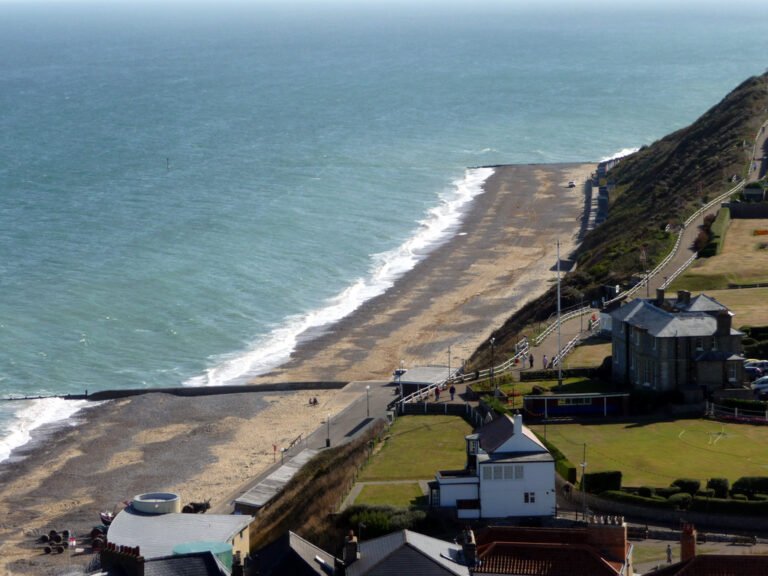
Norfolk has more coast. The Norfolk Coast Path runs 112 miles, from the Lincolnshire border near Sutton Bridge to the Suffolk border beyond Hopton-on-Sea. It takes in the salt marshes of the north coast, Holkham’s beach, the seals at Blakeney Point and Hunstanton, which faces west across the Wash. Suffolk’s coast runs from Lowestoft to Felixstowe, with Southwold, Aldeburgh and the Heritage Coast between them.
At the top end the prices are similar. In the 12 months to June 2026, HM Land Registry recorded median standard sales of £540,000 in Aldeburgh (47 sales) and £495,000 in Southwold (22). On the north Norfolk coast the medians were £592,500 in Blakeney (11 sales), £522,500 in Burnham Market (14) and £415,000 in Wells-next-the-Sea (42). The samples are small, but they do not show a Suffolk premium on the coast.
Both counties have stretches of coast losing ground to the sea. For any coastal purchase, start with the Shoreline Management Plan policy for the specific village; our coastal erosion guide for buyers explains how to read it.
Inland, the Broads are Britain’s largest protected wetland, with more than 125 miles of navigable rivers and broads. Most of the area is in Norfolk; Oulton Broad, by Lowestoft, is the best-known part in Suffolk. Our guide to living on the Broads covers the villages.
Schools, cities and the everyday
Schools do not divide neatly by county, so compare catchments. Norfolk’s distinctive option is Wymondham College at Morley, a state school with boarding houses, rated Outstanding in October 2023. Tuition is free and full boarding costs £5,650 a term. At the best-known boarding schools either side of the border, fees are almost the same. Framlingham College in Suffolk charges £17,480 a term for a senior full boarder in 2026-27, including VAT; Gresham’s in Holt charges £17,560 for a senior boarder from September 2026.
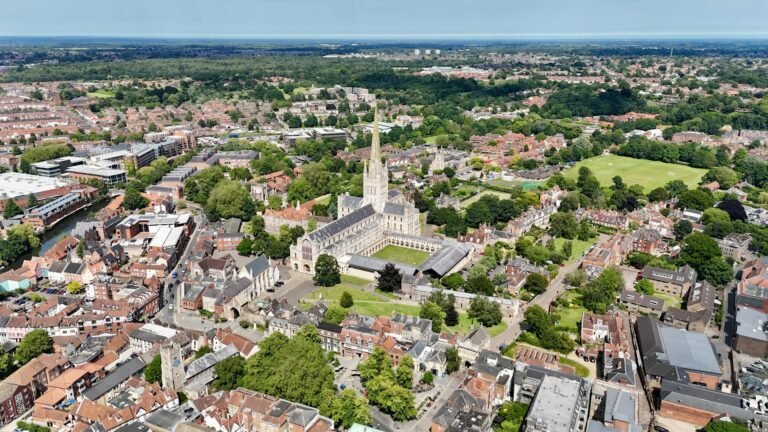
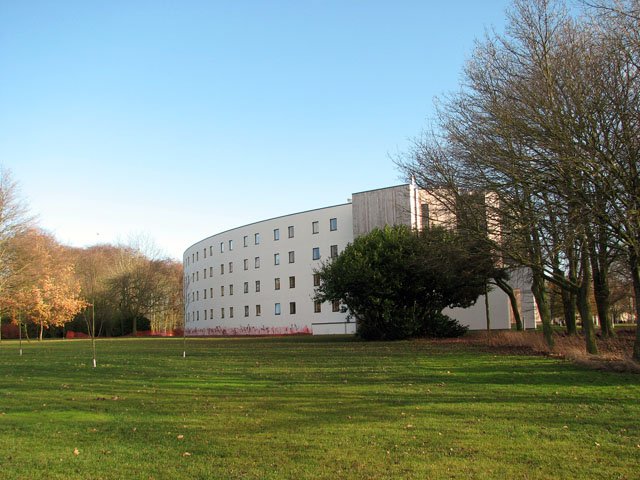
Norwich is the bigger city offer. It has two universities, the University of East Anglia and Norwich University of the Arts, the Norfolk and Norwich University Hospital, and in 2012 it became England’s first UNESCO City of Literature. Ipswich has the University of Suffolk, which gained university status in 2016, and the hour to London.
Council tax is higher in Norfolk at county level. The Norfolk County Council share of a Band D bill for 2026-27 is £1,843.38; Suffolk County Council’s is £1,731.69, £111.69 less. District, police and parish shares vary by address. Our Norfolk council tax guide has the full bills.
Which to choose
Choose Suffolk, and the south of it, if you will commute to London more than once or twice a week. Ipswich is 39 minutes nearer on the fastest trains and £39.40 cheaper on an Anytime Return. Choose Norfolk if you work in Norwich, work from home, or go to London only occasionally. You get a longer coast, the Broads and a larger city, and the county average is about 4% lower.
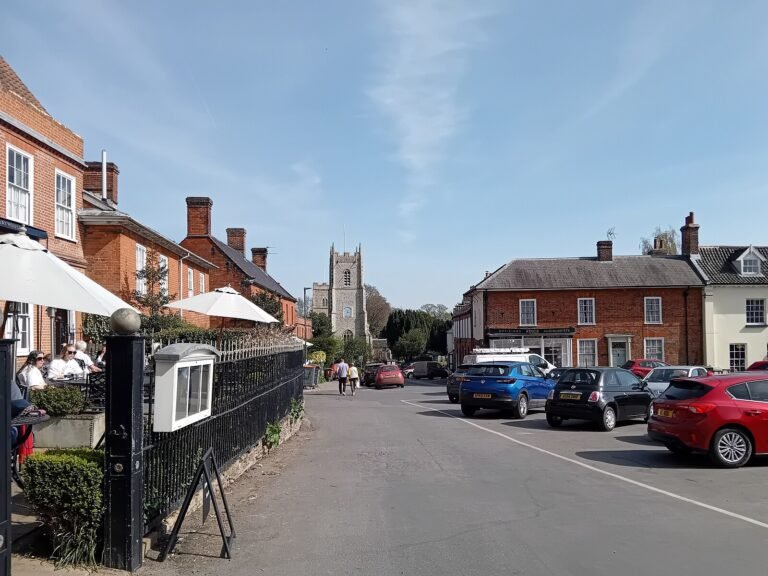
If you want both counties within reach, look at the Waveney valley. The River Waveney forms much of the county boundary. Diss and Harleston are on the Norfolk side, and Bungay is across the river in Suffolk. Diss has the quickest London trains in Norfolk. Our Diss vs Harleston comparison sets the two side by side.
Plan the move
Sizewell C
The Sizewell C nuclear power station on the east Suffolk coast reached its final investment decision on 22 July 2025. The project expects to employ 10,000 people at the peak of construction. Buyers and renters near Leiston should look at its traffic and workforce accommodation plans before committing.
How we produced this guide
County and district prices are from the HM Land Registry UK House Price Index, July 2026 release, and coastal town medians from HM Land Registry Price Paid Data, standard sales for the 12 months to June 2026. Populations are from the 2021 Census via Nomis. Train times and Anytime Return fares are from the traintimes.org.uk timetable for the morning of Tuesday 29 September 2026, and the King’s Lynn to King’s Cross time is the typical journey. School details are from Ofsted and the schools’ published fees. County council tax is from the two county councils’ 2026-27 budgets. See our methodology page for source links.
Frequently asked questions
Is Norfolk or Suffolk cheaper to live in?
Norfolk, by about 4%. The July 2026 UK House Price Index put the Norfolk average at £269,185 and Suffolk at £280,742. The county council share of Band D council tax is higher in Norfolk.
Which county is better for commuting to London?
Suffolk. The fastest Ipswich train reaches Liverpool Street in an hour. Norfolk’s quickest are from Diss, 1 hour 22 minutes at best, and Norwich, 1 hour 39 minutes; the fastest from King’s Lynn to King’s Cross takes 1 hour 47 minutes.
Which has the better coast?
Norfolk has more of it: the Norfolk Coast Path runs 112 miles. Suffolk’s is shorter, with Southwold and Aldeburgh the best-known towns. Prices at the top end are similar, with medians of £540,000 in Aldeburgh and £522,500 in Burnham Market in the year to June 2026.
Are the schools better in Norfolk or Suffolk?
Neither county is better across the board, so compare catchments. Norfolk has Wymondham College, an Outstanding state school with boarding at £5,650 a term. Independent boarding costs about the same on both sides: £17,480 a term at Framlingham College and £17,560 at Gresham’s.
Is there a way to get the best of both counties?
Live in the Waveney valley, where the river forms much of the county boundary. Diss and Harleston are on the Norfolk side and Bungay on the Suffolk side. Diss has Norfolk’s fastest London trains, 1 hour 22 minutes at best.
Data sources: HM Land Registry, ONS 2021 Census, Ofsted, traintimes.org.uk, Great Northern, Norfolk County Council, Suffolk County Council. Prices to July 2026. Author: James Ward, Property and Money Editor.
Last reviewed
Planning a move to Norfolk?
Our guides to hiring the firms a move needs.
We earn no commission on these links. Paid placements are sold separately and always labelled. See our advertising and disclosure page.