Diss vs Harleston: two south Norfolk market towns compared
Diss and Harleston cost almost the same to live in, with medians of £263,000 and £250,000. The difference is the station: Diss has direct trains to London Liverpool Street and Harleston has none.

Diss and Harleston are ten miles apart on the A143 and cost almost the same to live in. The median sale was £263,000 in Diss and £250,000 in Harleston over the year to June 2026, and Band D council tax differs by £21. The difference that matters is the railway station. Diss has one, with direct trains to London Liverpool Street. Harleston does not.
Side by side
| Factor | Diss | Harleston |
|---|---|---|
| Median sold price, 12 months to June 2026 | £263,000 (138 sales) | £250,000 (75 sales) |
| Detached house, median | £355,000 | £299,725 |
| Band D council tax, 2026-27 | £2,624.36 | £2,603.05 |
| Population, 2021 Census | 10,714 | 5,253 |
| London Liverpool Street | Direct trains; fastest 1h 22m, most trains 1h 30m to 1h 38m | About 15 minutes’ drive to Diss station first |
| Norwich | Train 17 to 21 min; about 30 min by car | Bus about an hour; about 35 min by car |
| Market days | Friday, plus a farmers’ market on the second Saturday | Wednesday and Saturday mornings |
| State secondary | Diss High School, 11 to 18, Good (March 2024) | Harleston Sancroft Academy, 3 to 16, Good in every area (June 2025) |
The train
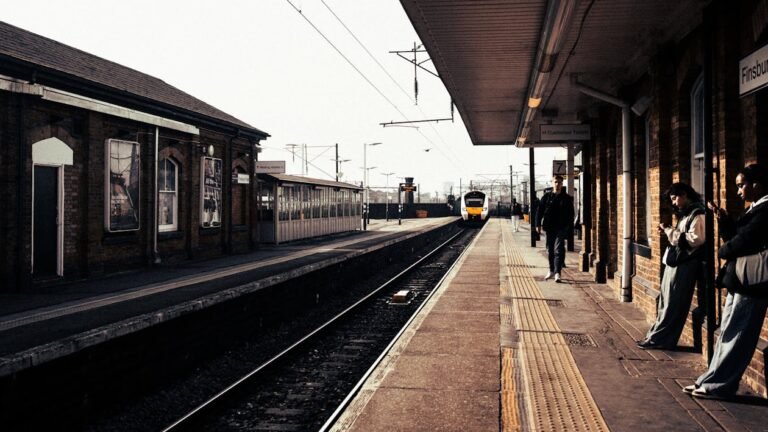
Diss is on the Great Eastern Main Line. Greater Anglia trains call every 30 minutes in each direction. The fastest to Liverpool Street takes 1 hour 22 minutes and most take 1 hour 30 to 1 hour 38, on the weekday timetable; Trainline which lists about 36 direct trains a day. Norwich is 17 to 21 minutes the other way. A household with one job in London and one in Norwich can manage both from the same station.
From Harleston, every one of those journeys starts with a drive of about 15 minutes to Diss and a parking space at the other end. For a London day once or twice a week that is manageable. For five days a week it adds half an hour to every round trip.
The buses do not close the gap. First’s 36A leaves Harleston for Norwich hourly on weekdays from 06:35, takes about an hour and runs via Long Stratton; the last one back leaves Castle Meadow at 18:21, with two later Central Connect 82A journeys at 21:20 and 23:20. Central Connect’s 81 runs to Diss bus station 11 times a weekday and takes about 25 minutes. Diss has its own hourly bus to Norwich, the Central Connect 82, which takes about an hour, but the train is the faster way.
Still deciding where in Norfolk?
Get the free Norfolk Relocation Pack: all 46 towns we cover on one table, on price, council tax, population, trains and distance to Norwich, plus a week-by-week move checklist. The download appears here as soon as you enter your email.
Unsubscribe any time.
Prices: close, except for detached houses
HM Land Registry recorded 138 standard sales in Diss and 75 in Harleston in the 12 months to June 2026. The medians were £263,000 and £250,000, a gap of £13,000. By type the picture is mixed. A detached house in Diss had a median of £355,000 against £299,725 in Harleston, about £55,000 more. Semis went the other way: £245,000 in Diss and £267,500 in Harleston. Harleston’s terraces were cheaper, at £155,000 against £200,000, though from only 15 sales. With so few sales in Harleston, one or two large houses can move its figures.
Nothing in the Diss sales suggests the station adds a premium across the whole town. If you want a detached house and do not need the train, Harleston saves you money. For a semi or a flat it saves little or nothing.
Median sold prices by type, 12 months to June 2026
Bar widths scaled to the highest figure. Source: HM Land Registry Price Paid Data, standard sales, 1 July 2025 to 30 June 2026.
Council tax is nearly level. Both towns are in South Norfolk, and both town councils add a large precept: Band D is £2,624.36 in Diss, the highest in the district, and £2,603.05 in Redenhall with Harleston.
Shops and the town centre
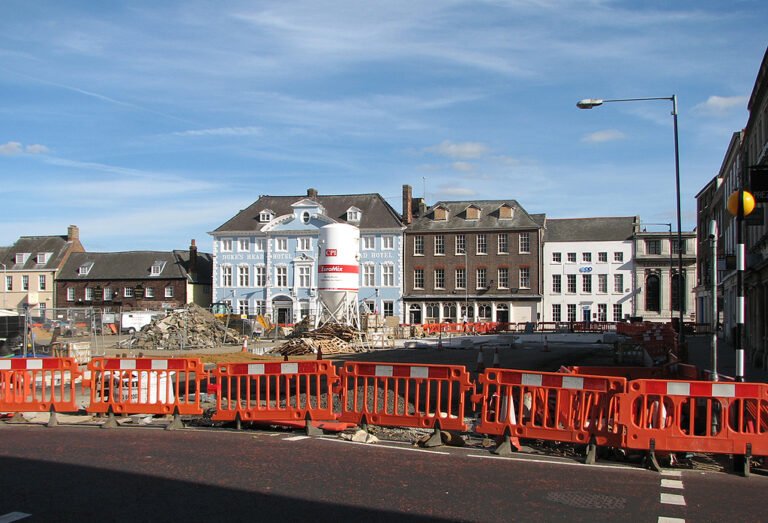
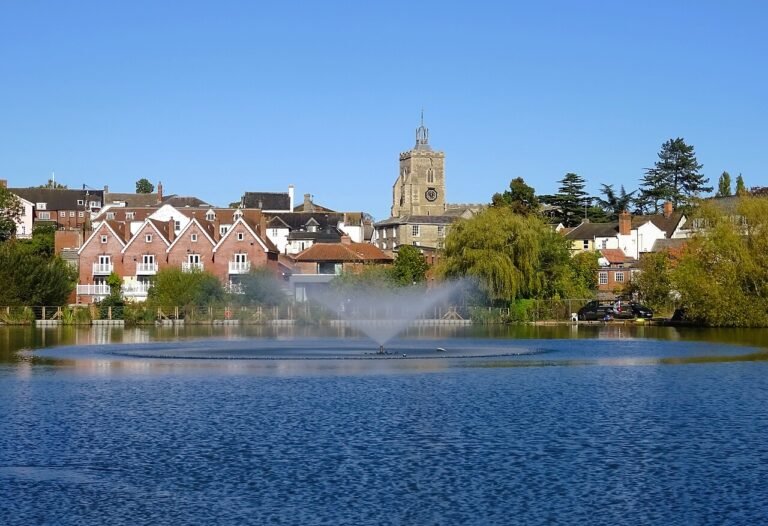
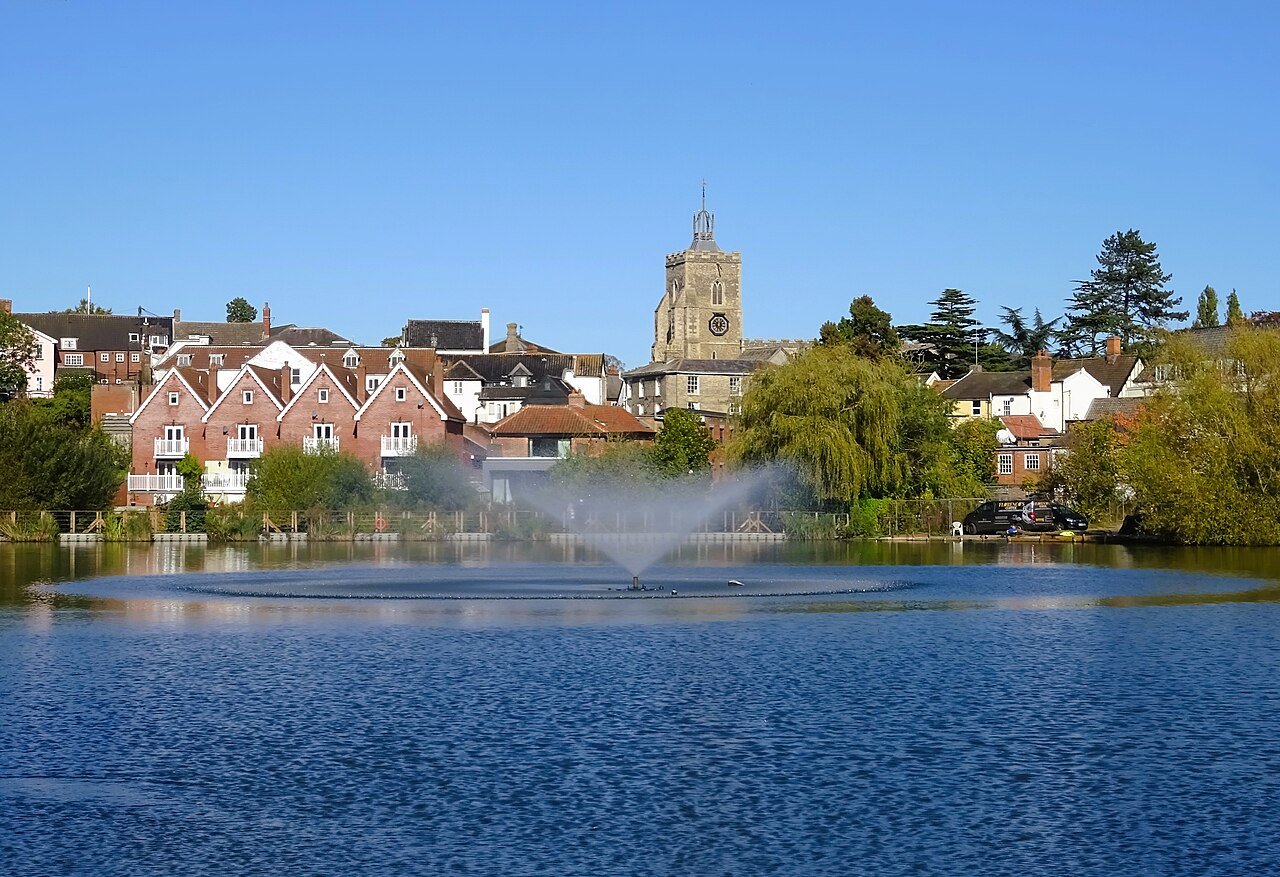
Diss has more of everything. Tesco and Morrisons are both on Victoria Road and Aldi has a new store on Park Road. The Friday market is on the Market Place, with a farmers’ market on the second Saturday of the month. Diss Publishing Bookshop on Mere Street has traded since 1864. The Corn Hall on St Nicholas Street, built in 1854 as a corn exchange, now puts on theatre, music and film. The Mere, a six-acre lake, sits in the middle of the town with a park on its bank. Two GP practices, Parish Fields and The Lawns, share the Health Centre on Mount Street.
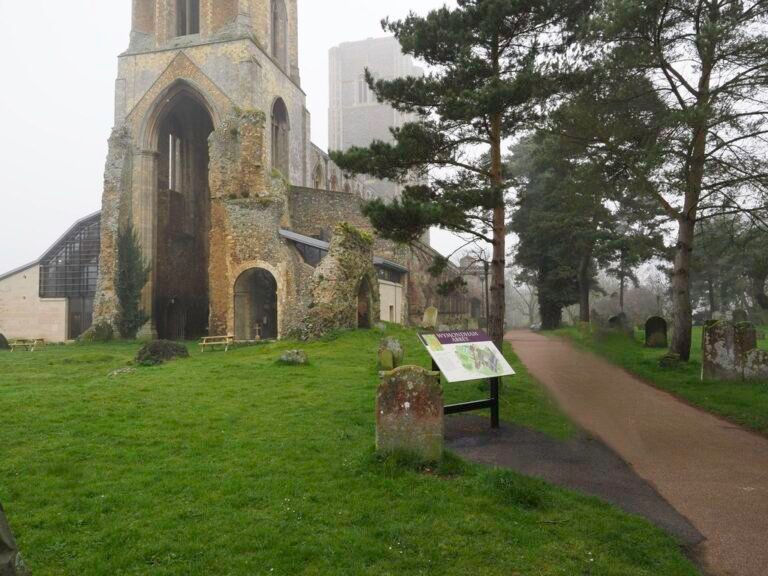
Harleston no longer sends you to Diss for the weekly shop. Lidl opened on Mendham Lane in November 2025, joining the East of England Co-op supermarket on Bullock Fair Close, and there is a Budgens at the service station on London Road. The market, held since at least 1369, now runs on Wednesday and Saturday mornings. On the Thoroughfare there is an Adnams store, The Apiary and the Soul Cafe, and the Swan, a pub with rooms built in 1551. Harleston Medical Practice is on Bullock Fair Close. The Angles Way follows the Waveney valley through the town, and each May the Harleston and Waveney Art Trail opens studios in the surrounding villages.
Schools: the sixth form is the difference
Diss High School takes pupils from 11 to 18. Ofsted confirmed it as Good after an inspection in March 2024. Below it, Diss Church of England Junior Academy was rated Good in September 2022, and Diss Infant Academy met the expected standard in every area at its May 2026 inspection, up from Requires Improvement in 2023.
Harleston has one state school, the Harleston Sancroft Academy on Wilderness Lane, formed in September 2022 by merging the primary and the high school. It takes children from 3 to 16. At its inspection in June 2025 Ofsted rated it Good in every area and Outstanding for early years. It has no sixth form. At 16, Harleston students go to Diss High, 10 miles away, or to the colleges in Norwich. Bungay High School, over the Suffolk border, stopped taking Year 12 students in September 2025.
Verdict
Buy in Diss if anyone in the house needs London or Norwich by train more than once a week, or if you have children who will want a sixth form they can walk to. You get the station, the bigger supermarkets and the Corn Hall for about the same money as Harleston, unless you want a detached house.
Buy in Harleston if you work from home or drive to work, want a detached house for around £55,000 less, and have children young enough for the Sancroft Academy to cover the next ten years. Do not buy there if you cannot drive: the last 36A home from Norwich leaves at 18:21, after which there are only two late buses, and there is no train.
Plan the move
How we produced this guide
Sale prices are from HM Land Registry Price Paid Data: standard sales at Diss and Harleston addresses with no separate village named, completed between 1 July 2025 and 30 June 2026. Population is from the 2021 Census for each parish. School details are from Ofsted reports and the Department for Education’s register. Train times are the fastest and average journeys listed by Trainline; bus times are from the weekday timetables on bustimes.org, checked on 24 September 2026. Drive times are typical times on the main roads. Council tax is from South Norfolk Council’s 2026-27 charges. Our Diss and Harleston guides carry the full figures, and our methodology page has the source links.
Frequently asked questions
Can you commute to London from Harleston?
Once or twice a week, yes. Diss station is about 15 minutes’ drive away, and the fastest train from there reaches Liverpool Street in 1 hour 22 minutes. Daily London commuters are better off living in Diss.
Is Diss more expensive than Harleston?
Only a little. The median sale in the 12 months to June 2026 was £263,000 in Diss and £250,000 in Harleston. The real gap is in detached houses, where Diss’s median of £355,000 was about £55,000 higher.
Which has the better market?
Harleston’s, if you want a market more than once a week: it is held on Wednesday and Saturday mornings. Diss has its traditional market on Fridays and a farmers’ market on the second Saturday of the month.
How do the schools compare between Diss and Harleston?
Diss High School takes pupils to 18 and was confirmed as Good in March 2024. Harleston Sancroft Academy covers ages 3 to 16 and was rated Good in every area, with Outstanding early years, in June 2025. Harleston has no sixth form, so students travel to Diss or Norwich at 16.
Is Harleston too small to live in without a car?
Mostly, yes. The hourly 36A bus takes about an hour to Norwich and the last one back leaves at 18:21, with two later 82A buses at 21:20 and 23:20, and there is no station. Diss is easier without a car, because the station has trains to Norwich every 30 minutes.
Data sources: HM Land Registry, ONS Census 2021, Ofsted, Trainline, bustimes.org, South Norfolk Council. Sales for the 12 months to June 2026. Last updated: 24 September 2026. Author: James Ward, Property and Money Editor.
Last reviewed
Want the raw numbers side by side? Run Diss and Harleston through the data tool, or answer five quick questions for a shortlist across all 46 places we cover.
Planning a move to Norfolk?
Our guides to hiring the firms a move needs.
We earn no commission on these links. Paid placements are sold separately and always labelled. See our advertising and disclosure page.