
Buying in Norwich city centre: flats, prices and Anglia Square
Buying in central Norwich mostly means buying a flat, and flats are where the city’s prices are weakest. Anglia Square is the one large scheme that will change the centre.
Area guides
Guides to 48 Norfolk places, from market towns and Norwich suburbs to the coast and the Broads, with Land Registry house prices, Ofsted ratings and Ofcom broadband data for each.
Each guide opens with who the place suits and who it does not, then covers house prices, schools, broadband, the commute to Norwich and London, and what the town has day to day.
Use the filters below to jump to cities, market towns, Norwich suburbs, coastal spots or the Broads. If you want to compare two places head-to-head, the comparison tool lets you pick any two towns and see them side by side.
Norwich has the county's main hospital, two universities and a direct train to London, and its houses cost less than half what they do in Cambridge.
King's Lynn is the one large Norfolk town with a direct train to London King's Cross, and its houses are among the cheapest in the county.
Great Yarmouth has the lowest average house price of any Norfolk district and a train to Norwich in about 30 minutes. Most of the homes that…
Thetford has cheap houses and a direct train to Cambridge in 42 minutes. What keeps prices down is the town itself: a small centre, post-war housing…
Most of what a family needs in Aylsham is within walking distance: four state schools, two GP surgeries, a Tesco, two butchers and a market twice…
Most of what visitors call Wroxham is Hoveton, the parish with the station and nearly all the shops. Trains reach Norwich in about 16 minutes, and…
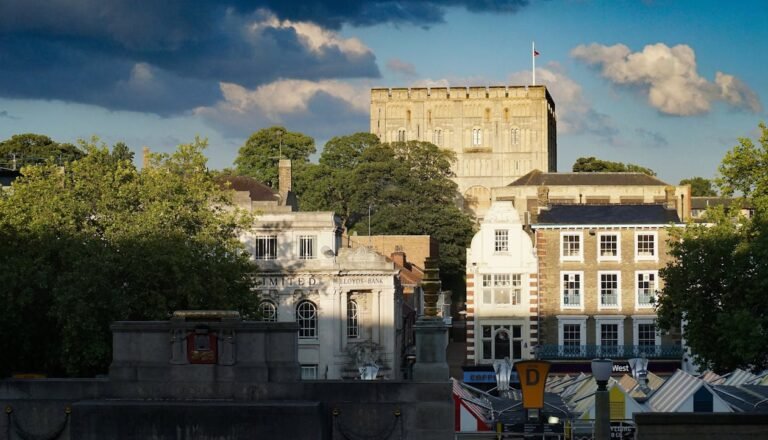
Buying in central Norwich mostly means buying a flat, and flats are where the city’s prices are weakest. Anglia Square is the one large scheme that will change the centre.
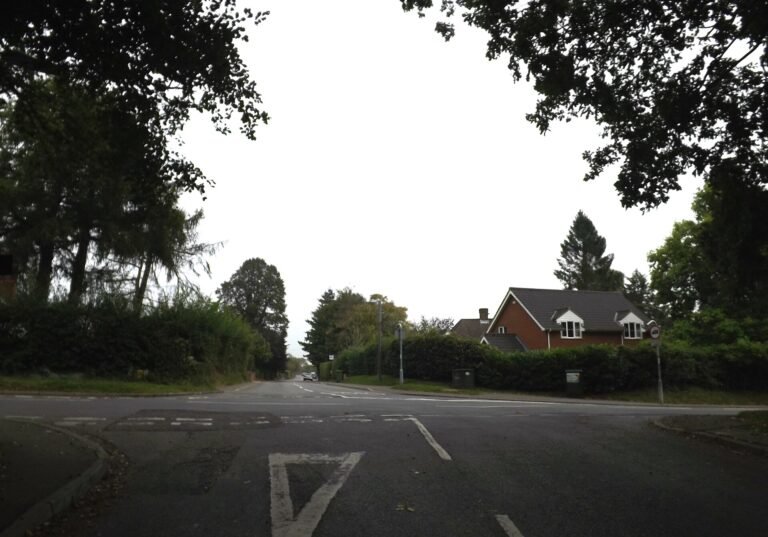
Families buy in Cringleford for the schools and the short trip to work: the hospital is 1.3 miles by road, and both primaries feed Hethersett Academy.
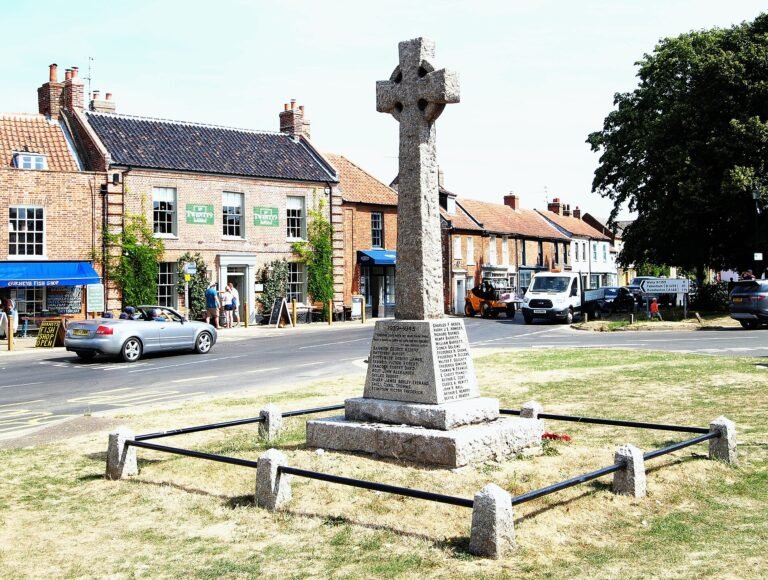
Burnham Market is a village of 724 people where the typical house sold for £715,000 over three years. About half its homes are not anyone’s main residence.
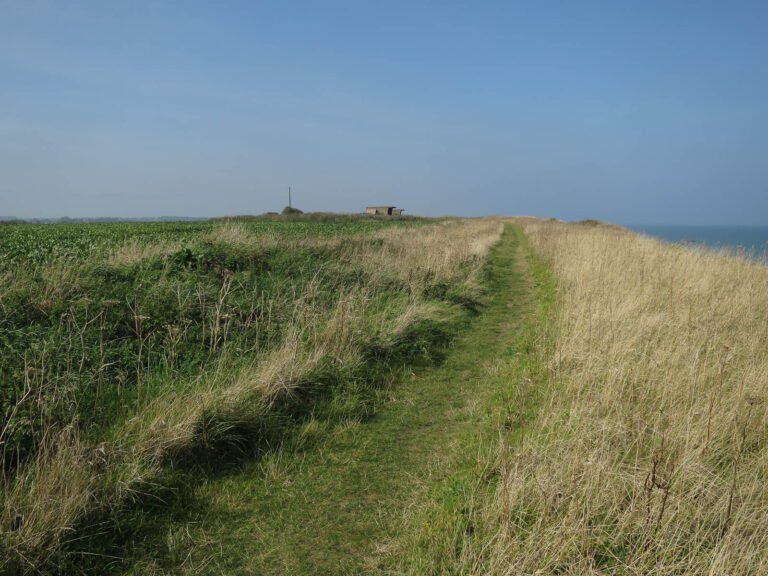
Happisburgh’s coastline has retreated about 250 metres in the last 70 years and no new defences are coming. The village core sits well back from the cliff.
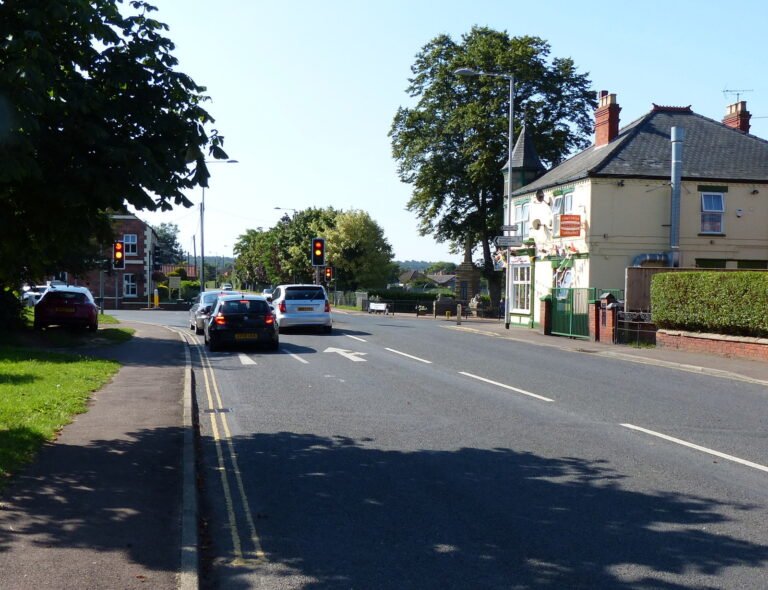
Dersingham is a large village on the edge of the Sandringham estate, with a GP, a Co-op and a half-hourly bus to King’s Lynn. It is no cheaper than Hunstanton.
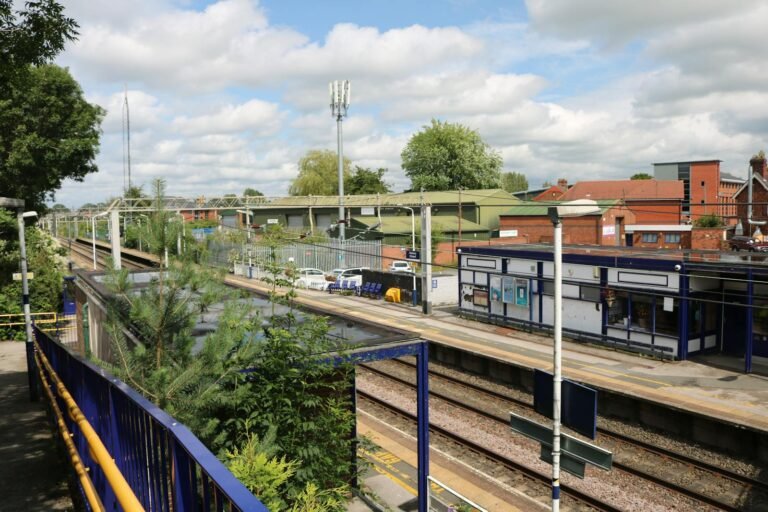
Rackheath is where north-east Norwich is being built. Most homes sold in the past year were new builds, and a scheme of up to 3,850 more has not yet started.
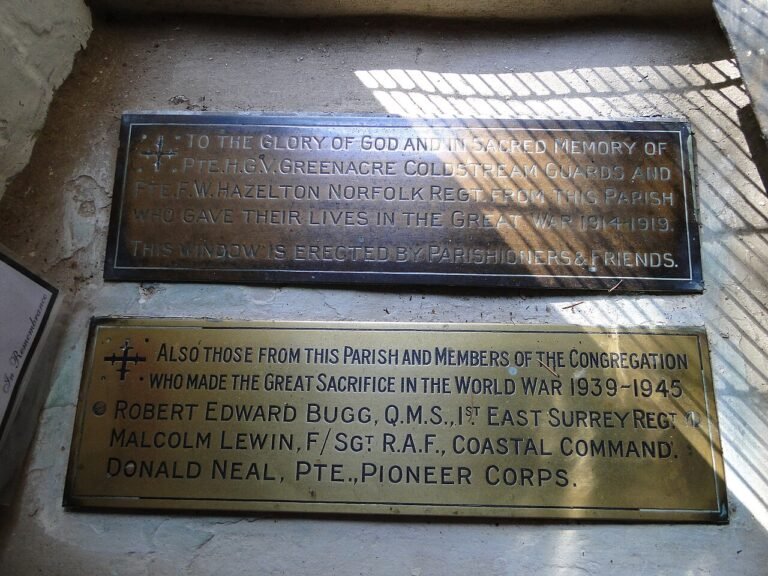
Spixworth is a village five miles north of Norwich that has barely grown in 20 years. It has infant and junior schools on Ivy Road, a GP, a Co-op and a pub.
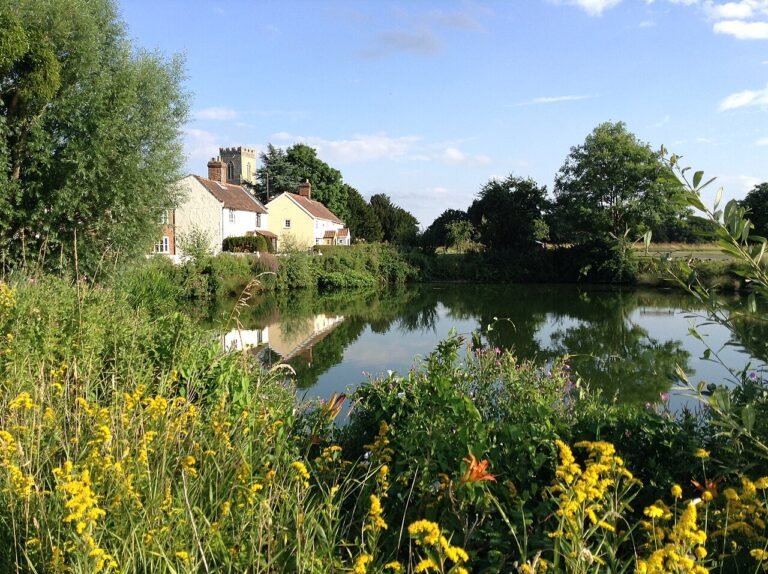
Mulbarton is a South Norfolk village built around a large common, with a primary school, GP and Co-op within walking distance. Check the secondary school and the last bus home first.
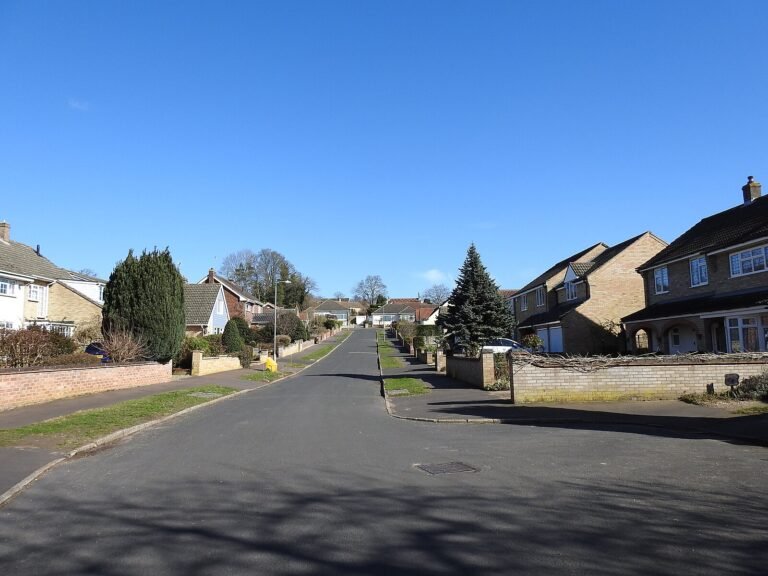
Drayton is a large village on the north-west edge of Norwich with infant and junior schools, a Tesco and a GP practice. The nearest secondary schools are in Taverham and Hellesdon.
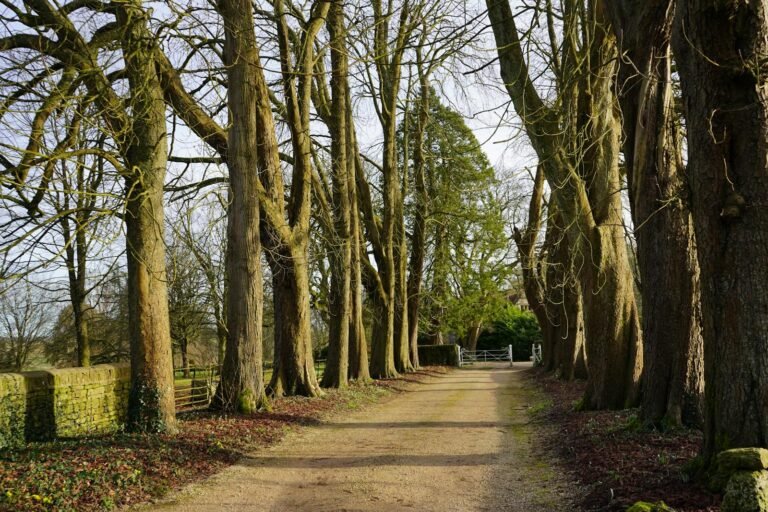
Poringland is a fast-growing village five miles south of Norwich. Most families buy here for the schools and the bus into the city, and prices match Hethersett.
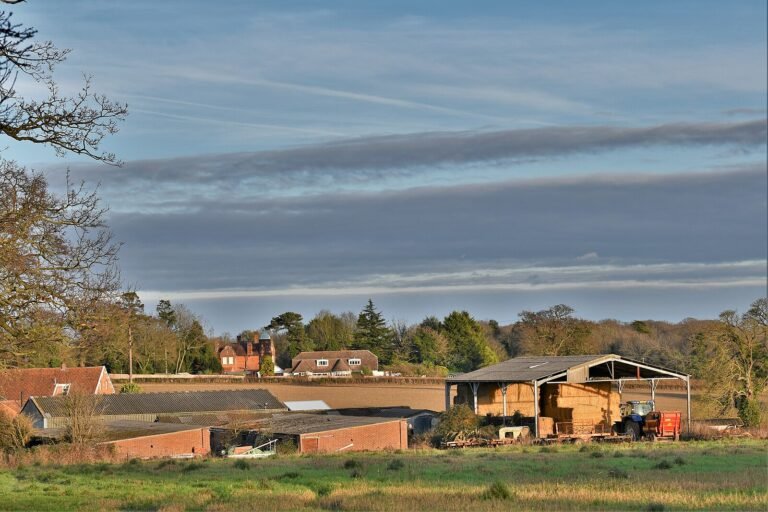
Hethersett’s main advantage is the short trip to the Norfolk and Norwich University Hospital, 2.7 miles by road. It also has a secondary school Ofsted rates Outstanding.
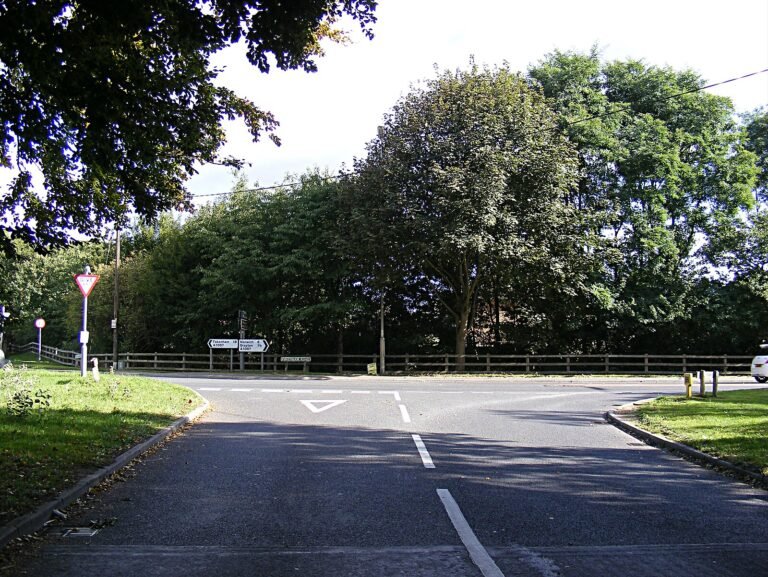
Taverham is a large post-war suburb of detached houses on Norwich’s north-west edge, with schools from nursery to 18. It has no centre you would walk to.
Thorpe St Andrew is the Norwich suburb with its own school to 18, rated Good in every area in April 2025. Buses reach Castle Meadow in about 11 minutes.
Costessey is three places sharing one town council: Old Costessey, New Costessey and Queen’s Hills. Buyers should decide which they want before looking at houses.
Hellesdon is where a lot of Norwich families buy their semi. Buses along Drayton High Road leave for the city centre about every 15 minutes; there is no station or village centre.
Families buy in Sprowston for the school run: a secondary on Cannerby Lane that teaches to 18 and a bus to central Norwich about every 15 minutes. It has no town centre or station.

Choosing where to live near the Broads is mostly a choice between villages with a railway station and villages without one. Prices differ widely between them too.
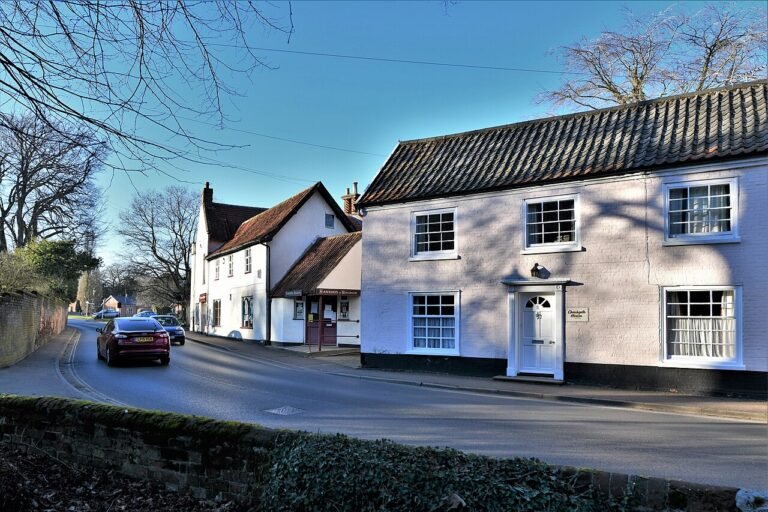
Hingham has the everyday things on foot: a primary school, a GP, a Co-op, a butcher and a bakery. It has no railway station and no secondary school.
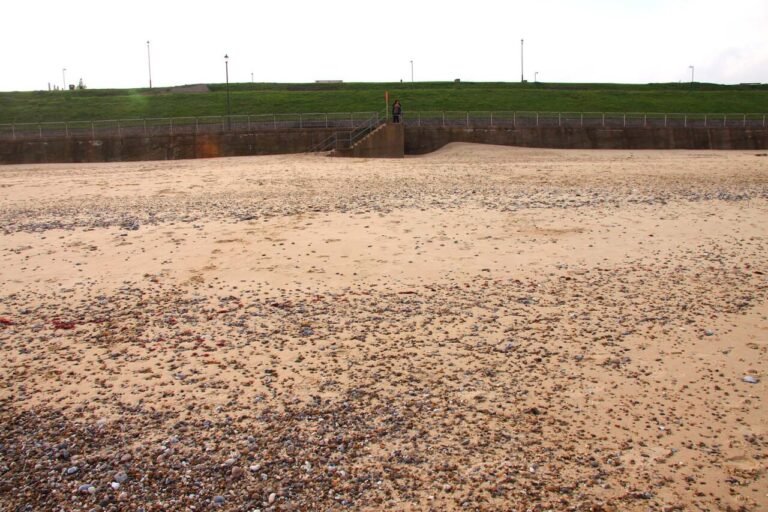
Gorleston-on-Sea is one of the cheapest places to buy on the Norfolk coast, and it has the James Paget hospital, a sixth-form college and a wide sandy beach.
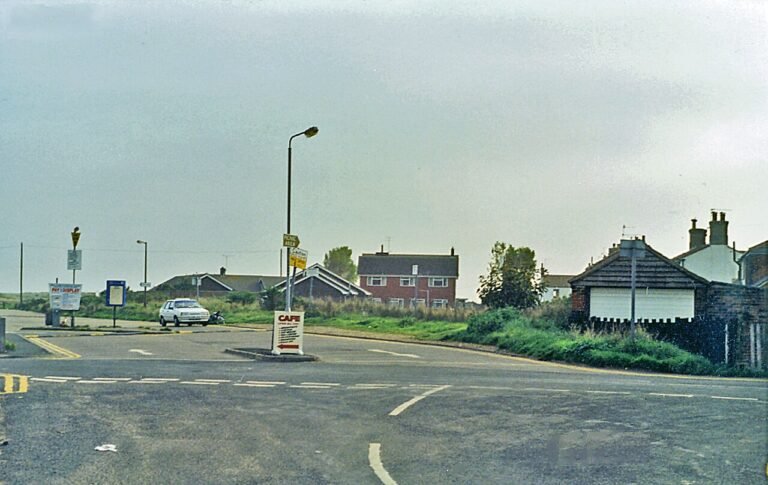
Caister-on-Sea is a coastal village three miles north of Great Yarmouth, close enough to use the town’s shops, hospital and station. It is not the cheap end of this coast.

Brundall is a village where you can get into Norwich without a car and keep a boat without driving to it. Trains take about 11 minutes to the city.
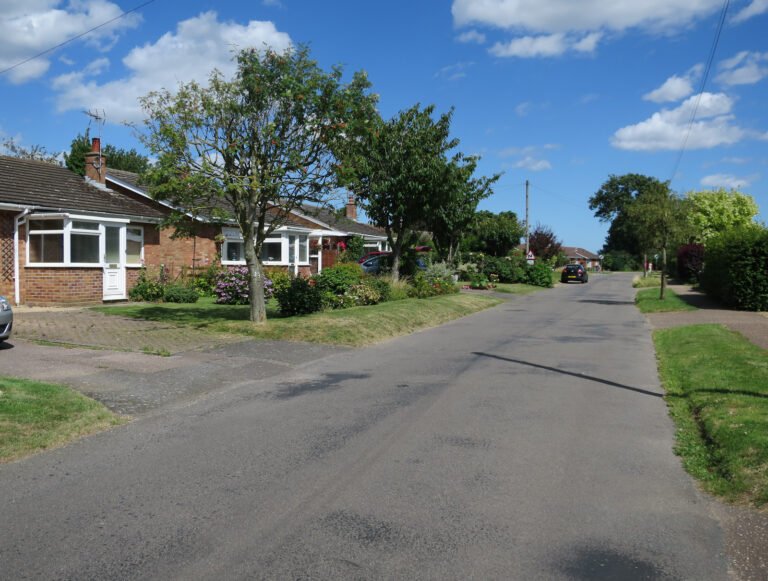
Blofield costs more than most of Broadland because of where it sits: five miles east of Norwich beside the A47, with Brundall station a mile and a half south.
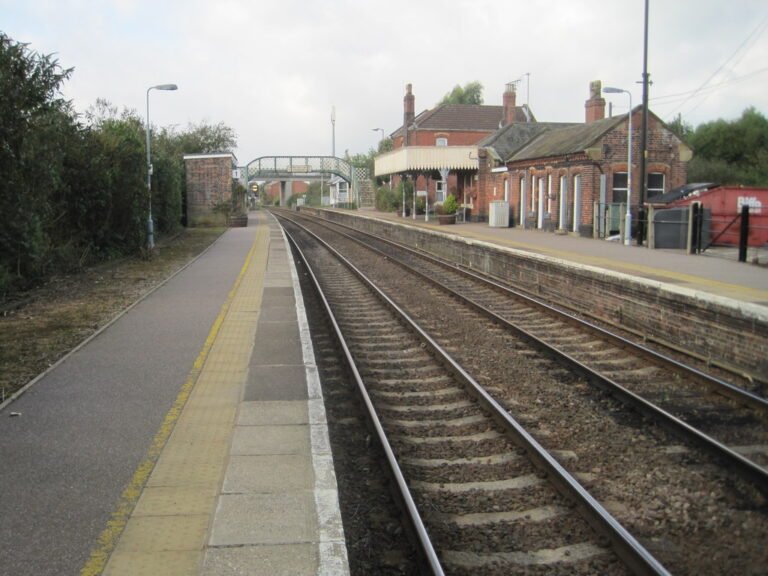
Acle is one of the few Broadland villages where you can get to work in Norwich or Great Yarmouth without a car, by train or on the half-hourly X1 bus.

Stalham is a Broads town where you can still do the weekly shop on foot, and houses cost a good deal less than at Wroxham. There is no railway.
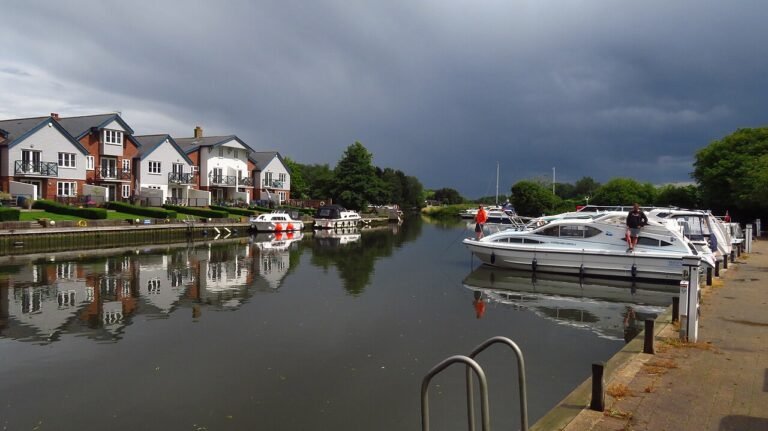
Loddon is a small town on the River Chet where the shops, the GP and three state schools are a short walk apart. There is no station; the X2 bus runs to Norwich.
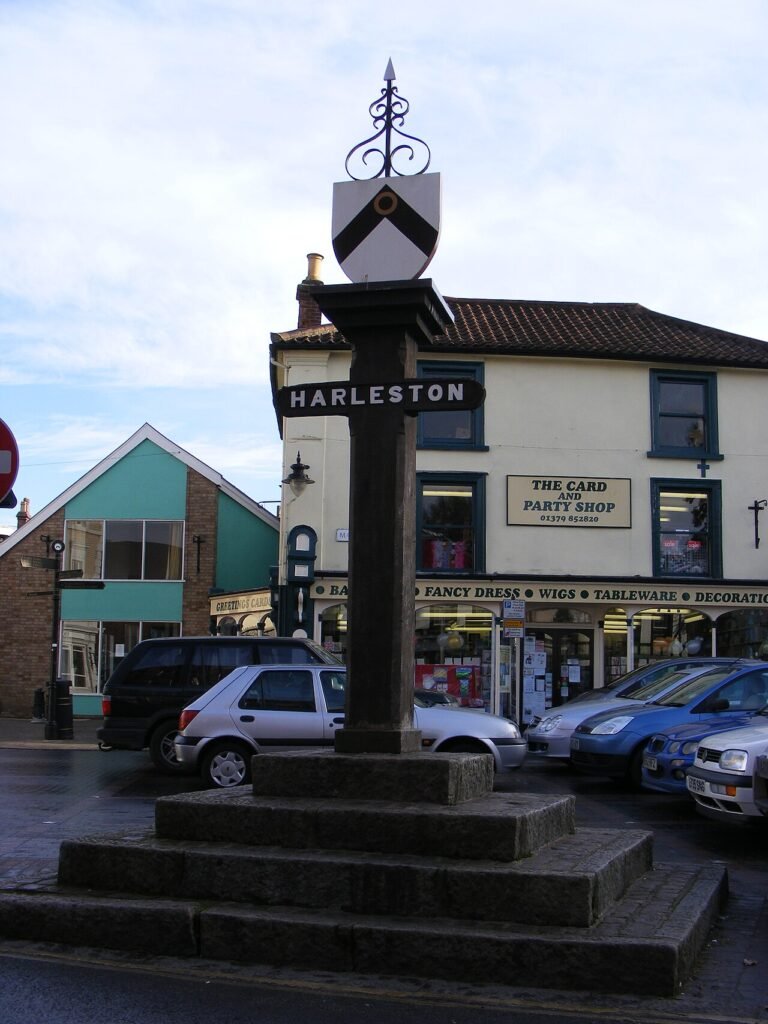
Harleston still has a town centre people use every week, and since November 2025 a Lidl beside the Co-op. What it lacks is a railway.
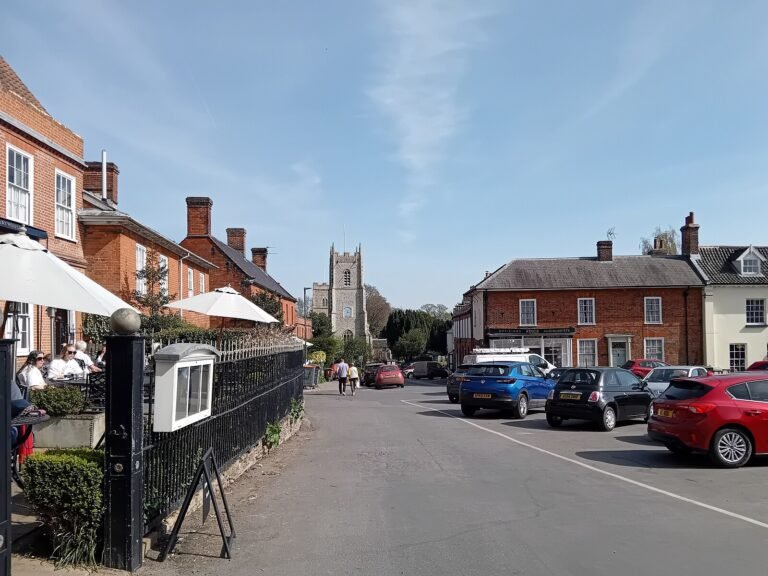
Reepham is a small market town 12 miles north-west of Norwich that still works as a town, with a deli, independent shops, a Co-op and the Marriott’s Way cycle path to the city.
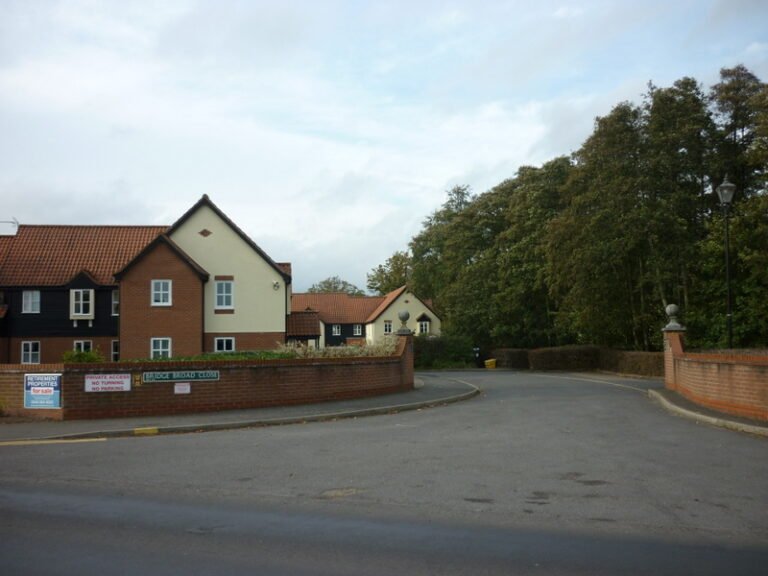
Most of what visitors call Wroxham is Hoveton, the parish with the station and nearly all the shops. Trains reach Norwich in about 16 minutes, and most houses sold are detached.
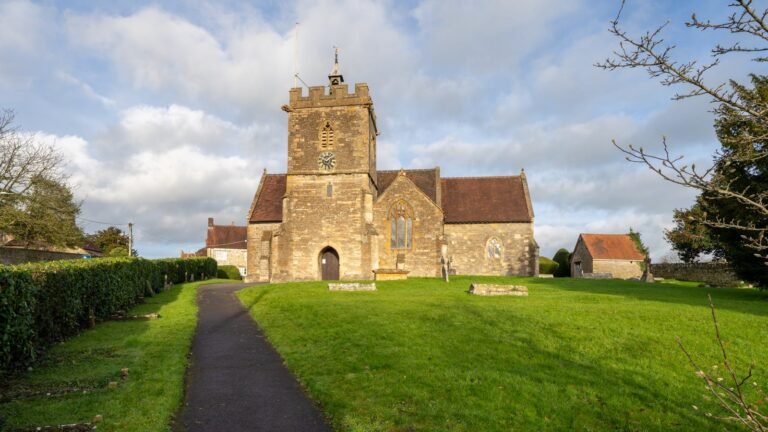
Long Stratton is a large village on the A140 south of Norwich. Its bypass opened in August 2025 so that 1,875 new homes could follow, and those have barely started.
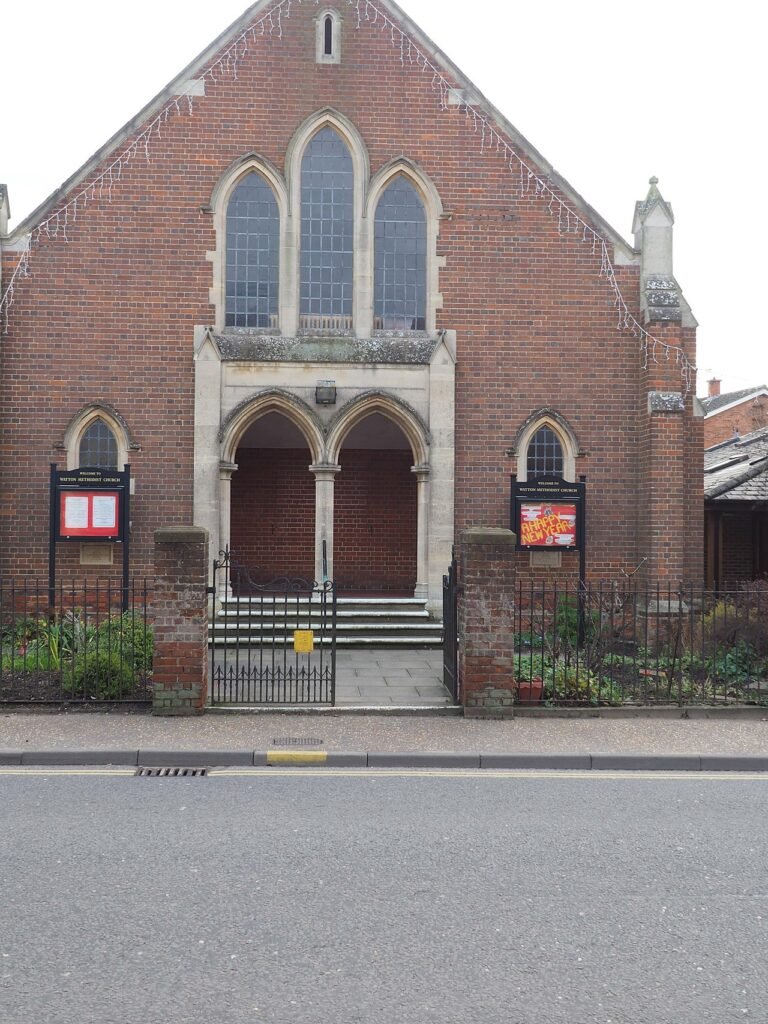
Watton costs less than Dereham or Attleborough and still works as a town, with two supermarkets, a secondary school and its own GP practice. Norwich is about 25 miles away.
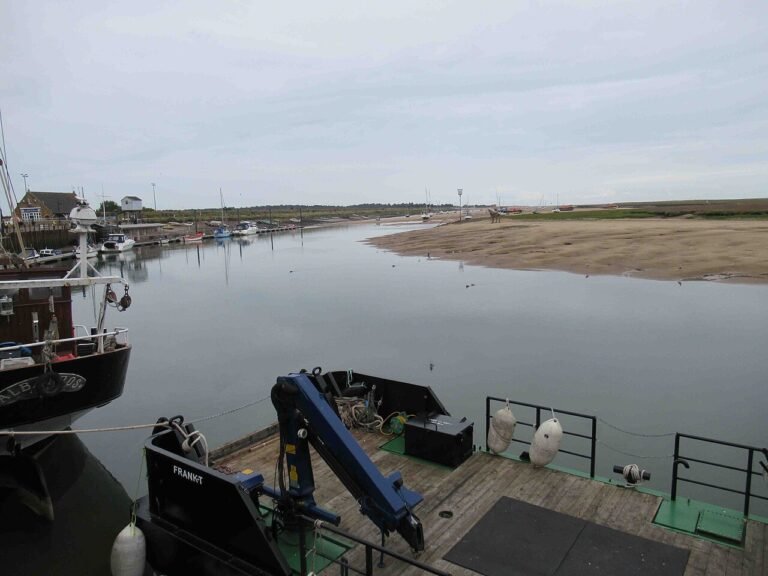
Wells-next-the-Sea is a small harbour town where more than a third of homes are second homes or holiday lets, and it shows in the prices and the quiet winters.
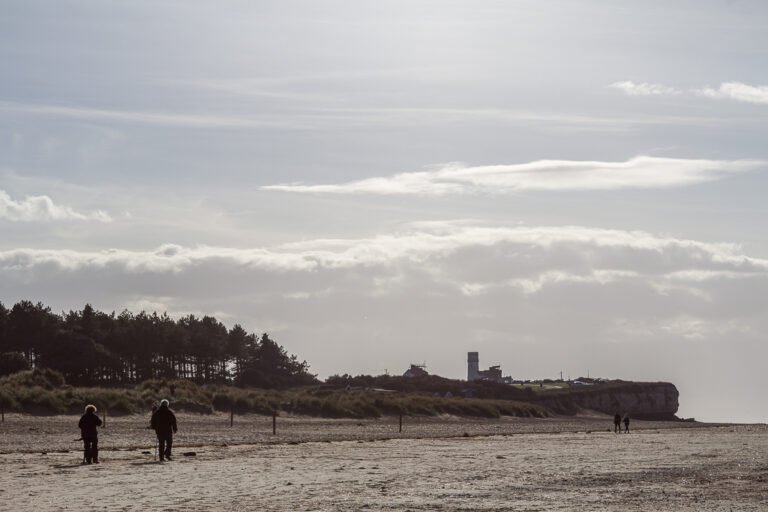
Hunstanton is a seaside town at the price of an ordinary Norfolk one, facing west across the Wash. The railway closed in 1969 and Norwich is roughly 75 minutes by car.
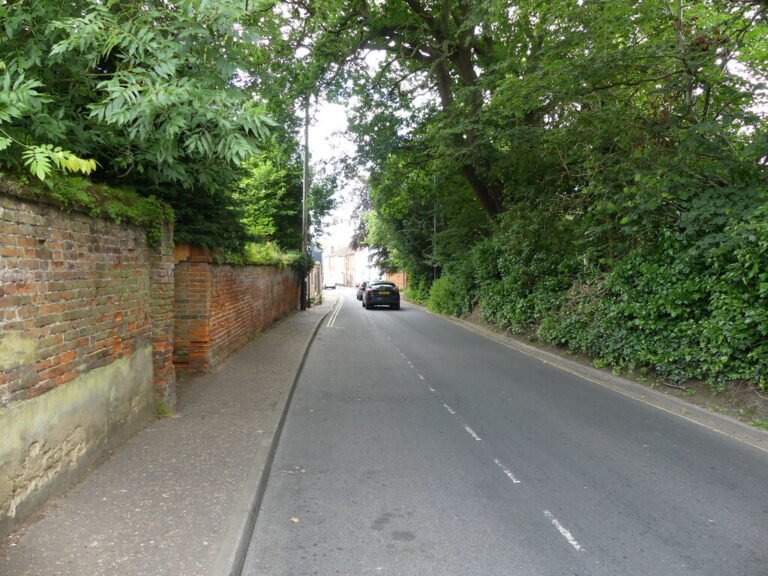
Most of what a family needs in Aylsham is within walking distance: four state schools, two GP surgeries, a Tesco, two butchers and a market twice a week.
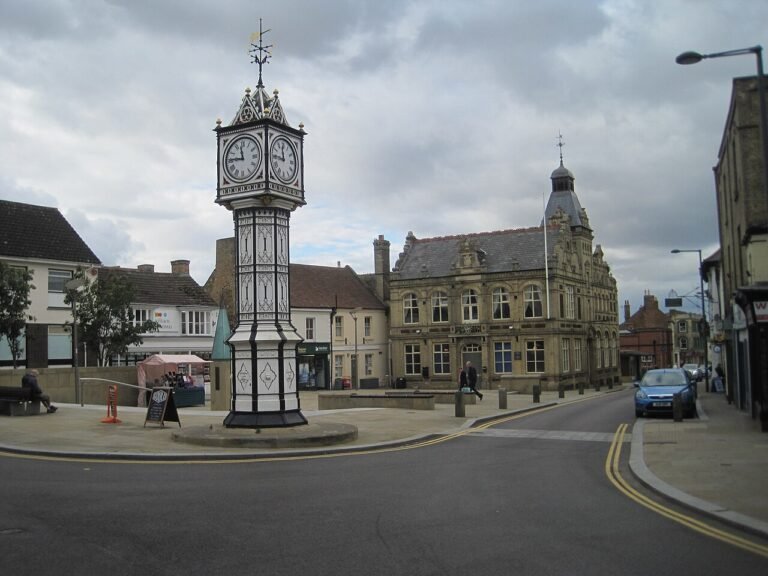
Downham Market is a Fen-edge town whose railway reaches Cambridge in 39 minutes and London King’s Cross in about 1 hour 40 minutes.
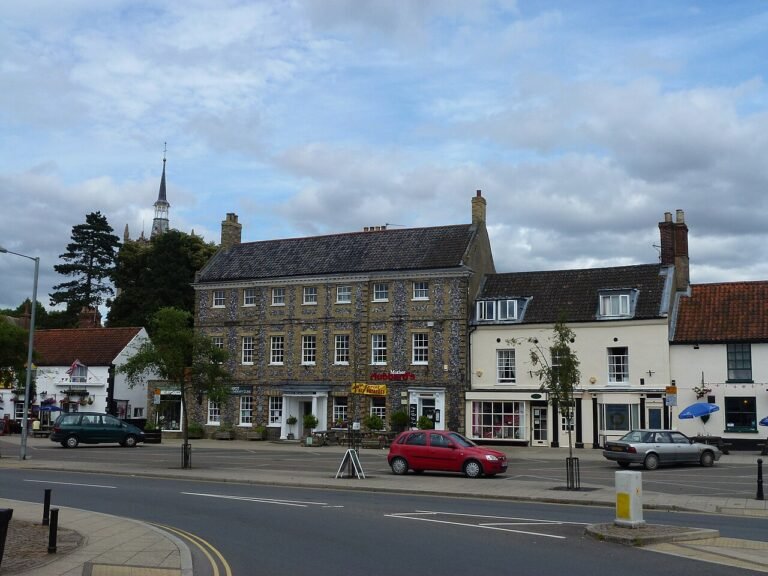
Swaffham is a market town where a detached house sells for about £320,000, with a Saturday market, a Waitrose and a Tesco. It has no railway station.
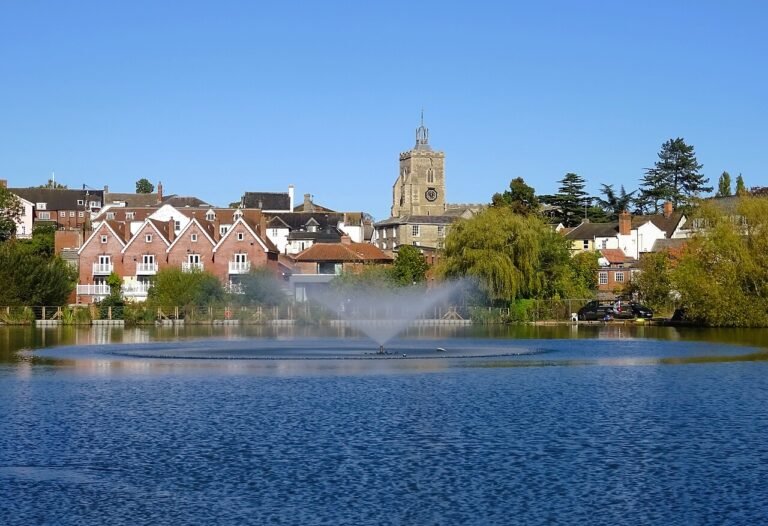
Diss has the only station in Norfolk outside Norwich with direct trains to London Liverpool Street, the fastest taking 1 hour 17 minutes.
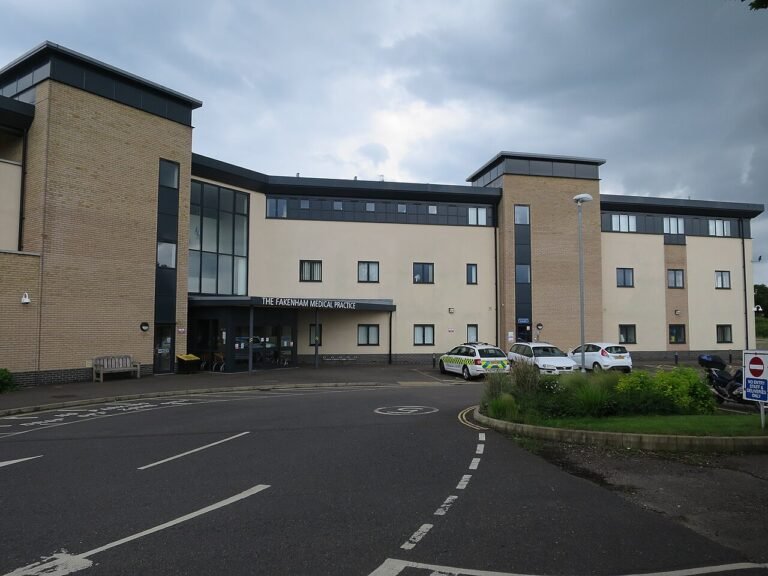
Fakenham is the market town for the villages of north-west Norfolk, and it costs a good deal less than the coast it sits behind. There is no railway station.
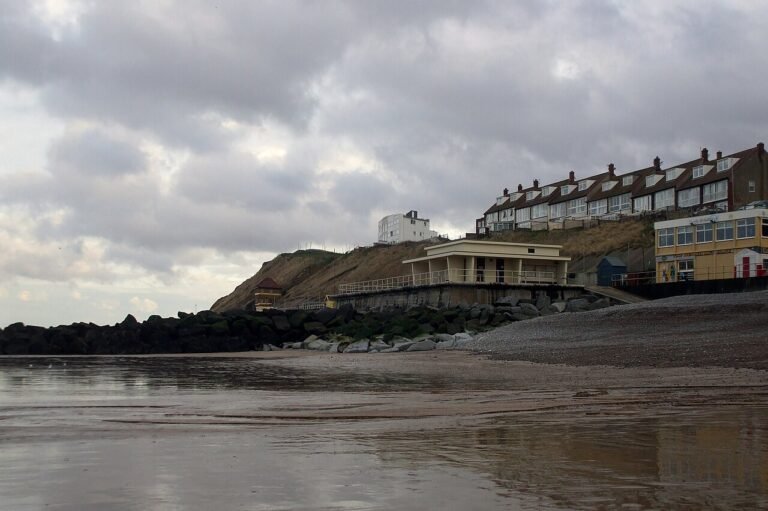
Sheringham is a seaside town where you can manage without a car, with a station, a GP and a Tesco. It costs more than most of north Norfolk.
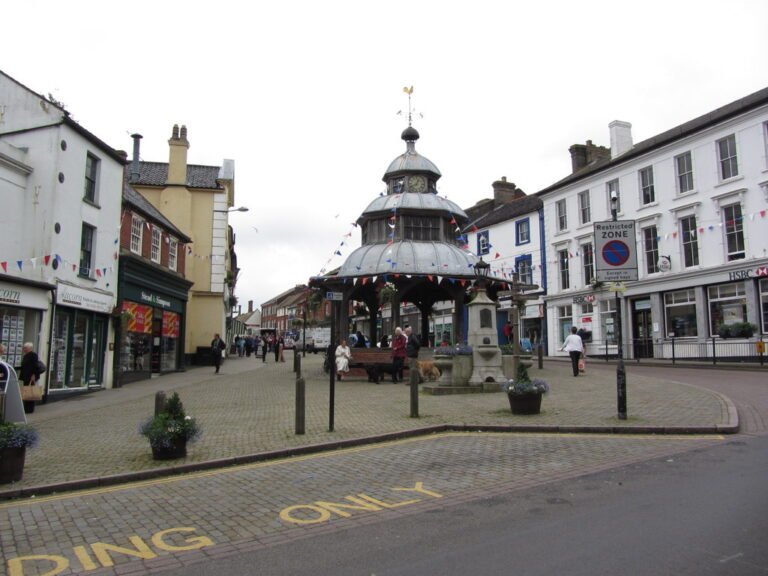
North Walsham gets you a house on north Norfolk’s railway line for less than the coast costs. The Bittern Line reaches Norwich in 26 minutes; the beach is a short drive.
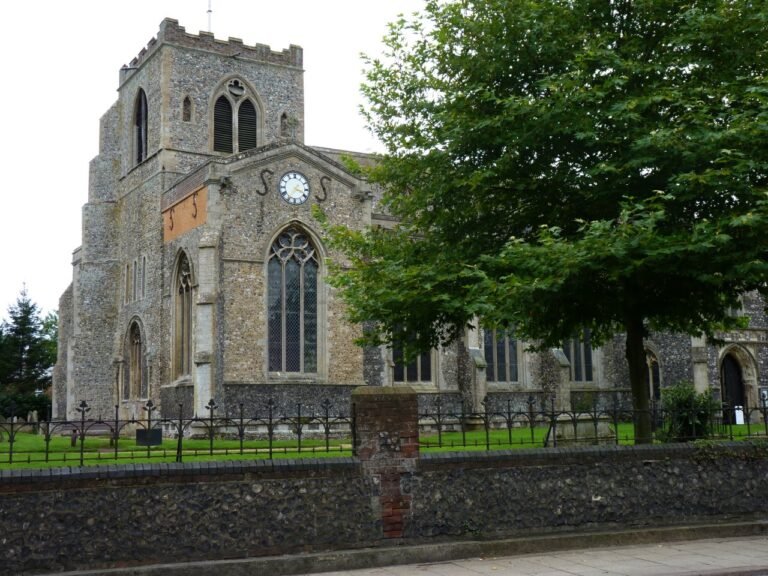
Attleborough has direct trains to Norwich and Cambridge, and houses sell for about £20,000 less at the median than in Wymondham, the next stop towards Norwich.
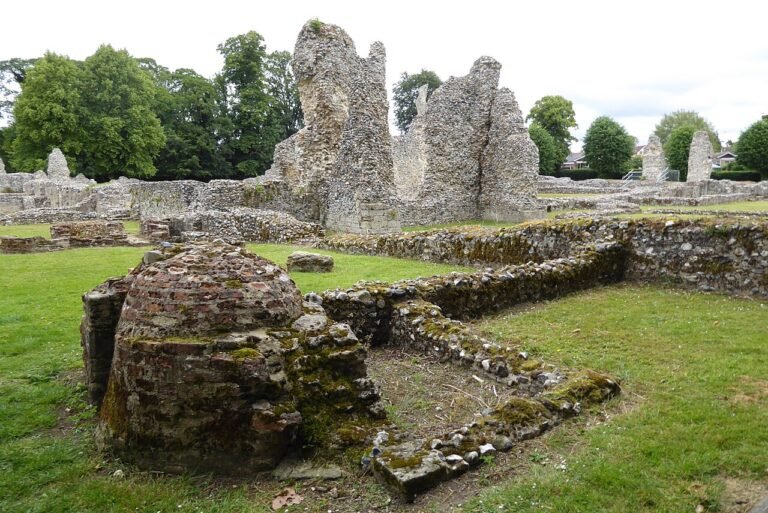
Thetford has cheap houses and a direct train to Cambridge in 42 minutes. What keeps prices down is the town itself: a small centre, post-war housing and one secondary school.
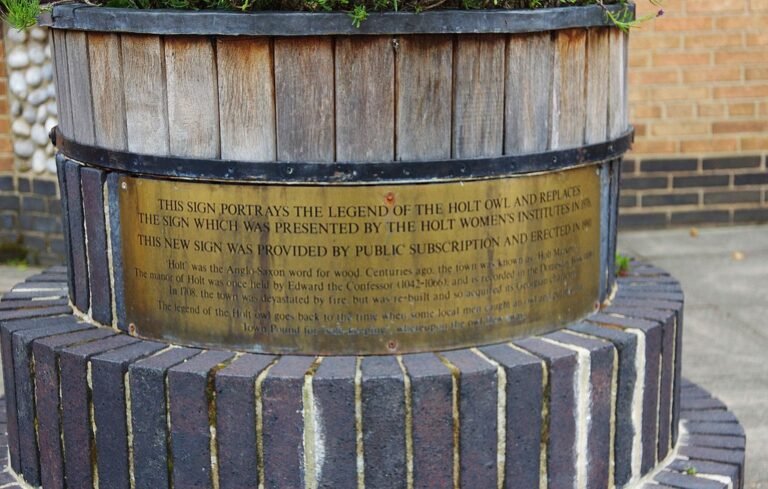
Holt is a small Georgian town where the shops, schools and woodland are within walking distance. The drawback is distance: no mainline station and 45 to 50 minutes to Norwich.
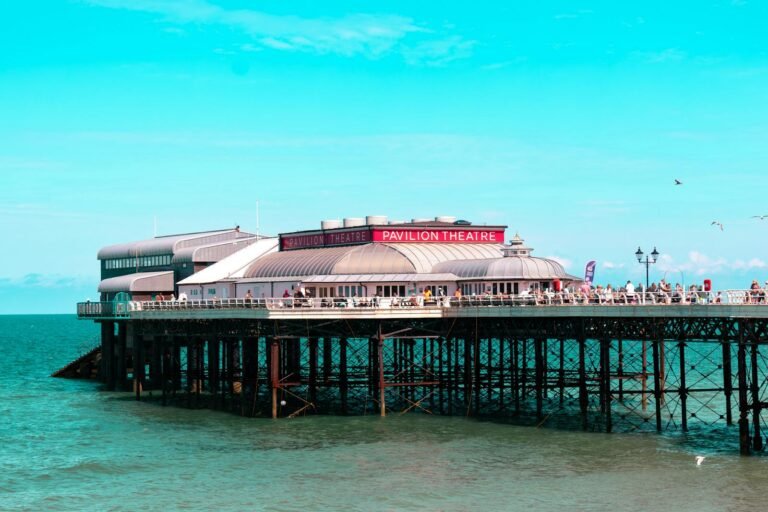
Cromer is a coast town where you can manage without a car: an hourly train to Norwich, a minor injuries unit on Mill Road and three supermarkets on Holt Road.
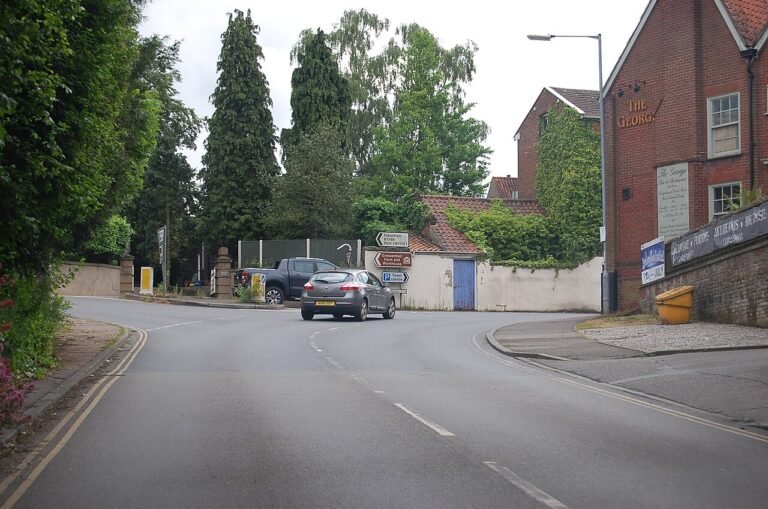
Dereham is where the villages of mid-Norfolk come to shop, see a doctor and go to secondary school. It has no railway station.
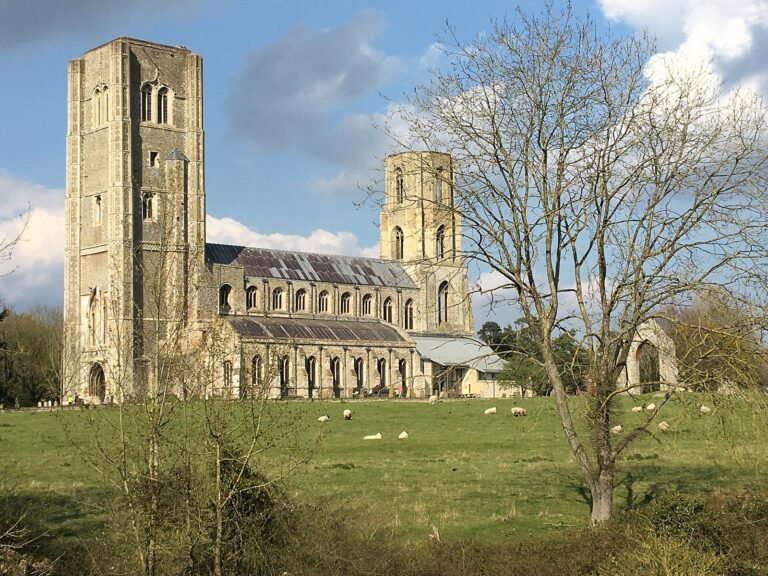
Wymondham has a mainline station, with trains to Norwich in 13 to 16 minutes and direct to Cambridge, and Wymondham College just outside town. Buyers pay a premium for both.
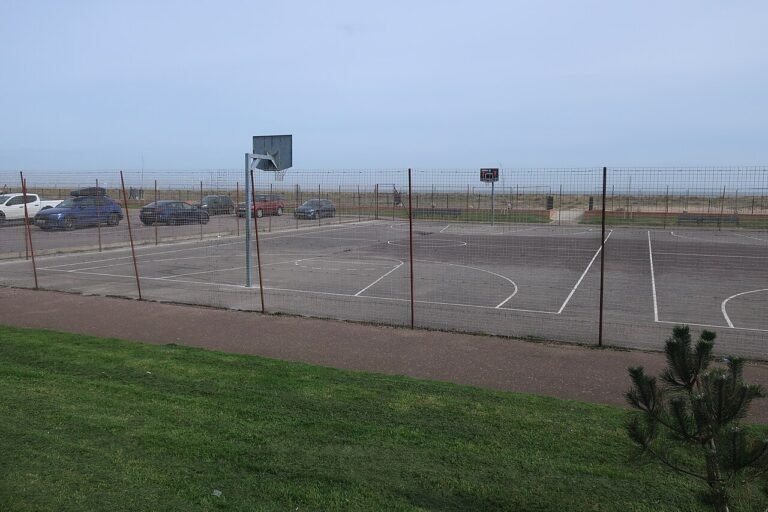
Great Yarmouth has the lowest average house price of any Norfolk district and a train to Norwich in about 30 minutes. Most of the homes that sell are terraced.
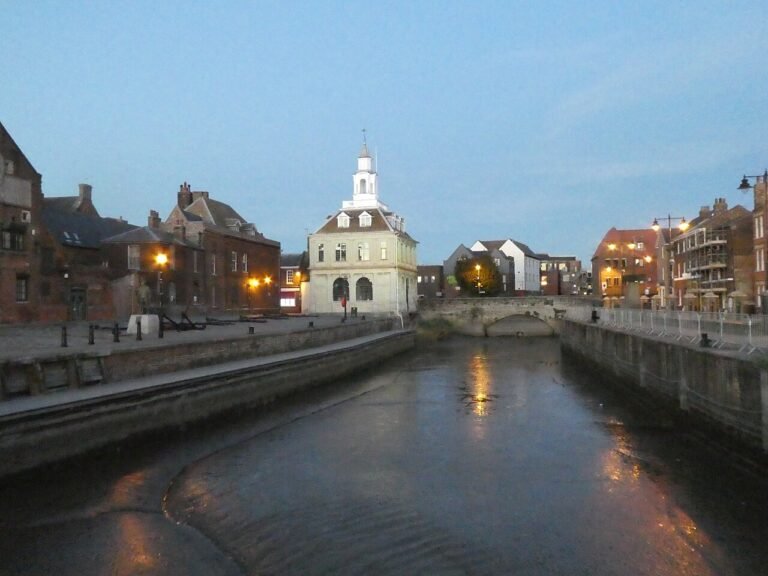
King’s Lynn is the one large Norfolk town with a direct train to London King’s Cross, and its houses are among the cheapest in the county.
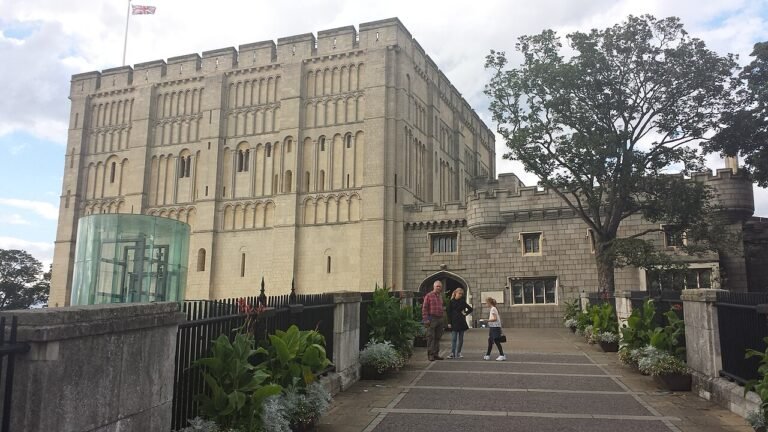
Norwich has the county’s main hospital, two universities and a direct train to London, and its houses cost less than half what they do in Cambridge.
All 46 towns we cover on one table, on price, council tax, trains, distances, broadband and schools, plus a week-by-week move checklist. It downloads the moment you subscribe. After that, an occasional email when we publish a new guide or new house price figures.
Occasional emails. Unsubscribe any time.
© 2026 Norfolk Living Guide