All area guides
Living in Cringleford
Families buy in Cringleford for the schools and the short trip to work: the hospital is 1.3 miles by road, and both primaries feed Hethersett Academy.

Families buy in Cringleford for two things: the schools and the short trip to work. The village sits on the A11 at the south-west edge of Norwich, and the Norfolk and Norwich University Hospital is 1.3 miles by road from the newer estates. Both state primaries are named feeders for Hethersett Academy, which Ofsted rates Outstanding. You pay for it: the median sale price in the year to June 2026 was £369,995, about £65,000 more than in Hethersett.
Where it is: about 3 miles south-west of Norwich city centre as the crow flies, in South Norfolk district, postcode NR4.
Population 4,685 · Postcodes NR4 6, NR4 7 · Primary school Good (2024) · Norwich city centre 3 miles by road · Band D £2,552.17
Buy in Cringleford if you work at the hospital, UEA or Norwich Research Park, or want a Hethersett Academy feeder primary and a drive of 10 to 15 minutes into the city.
It is the wrong place if you want a village high street or a pub at the end of the road: the shops are a Tesco Express and a Post Office. It is also wrong if you want to be clear of building work, because two more phases, of 406 and 90 homes, are planned. Hethersett and Mulbarton are on the same secondary school route for less money.
Old village and new estates
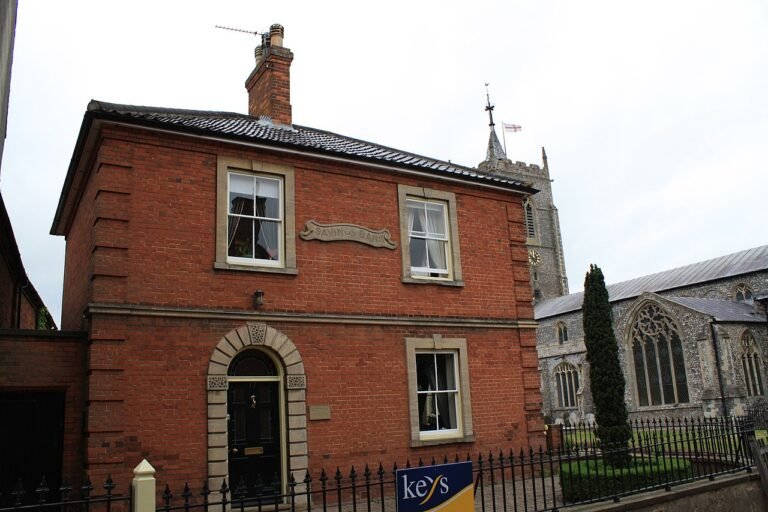
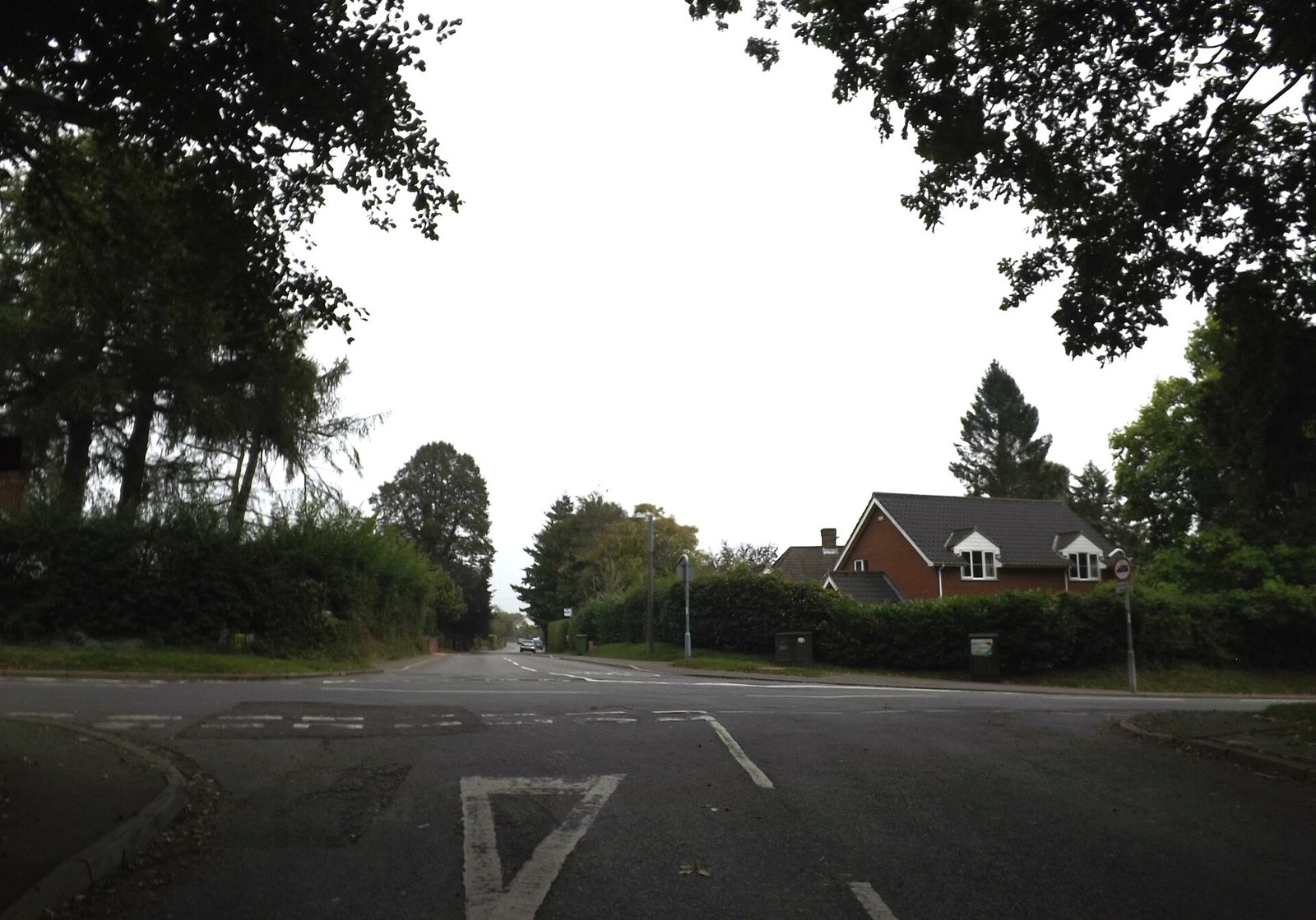
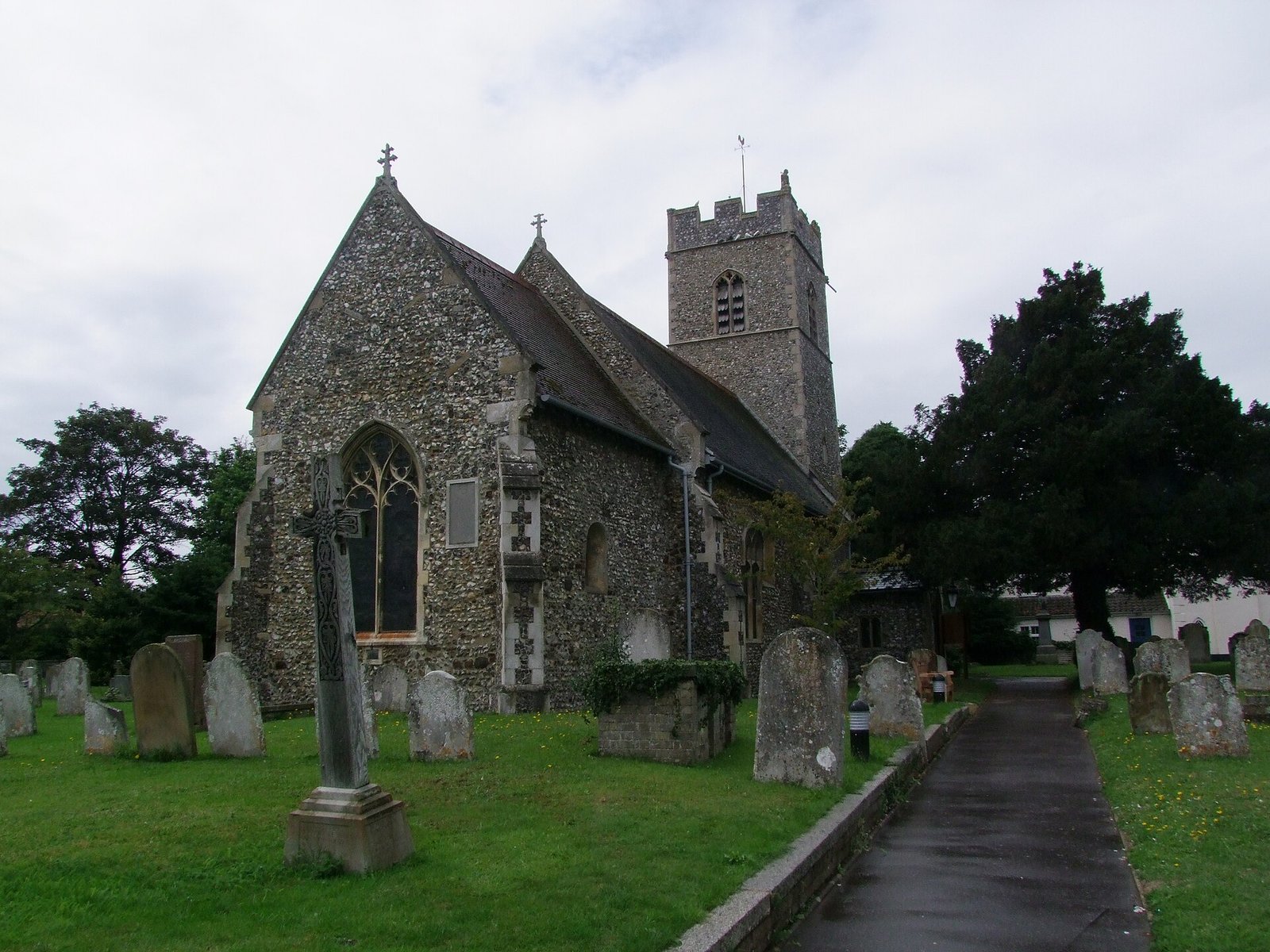
Cringleford is two places with one parish council. The old village, mostly NR4 6, is St Peter’s Church, Intwood Road, Keswick Road, Newmarket Road and the roads off them, beside the Yare. The newer estates, mostly NR4 7, are north-west of it between the A11 and the A47: Roundhouse Park and Roundhouse Gate around Round House Way, and Cringleford Heights off Colney Lane.
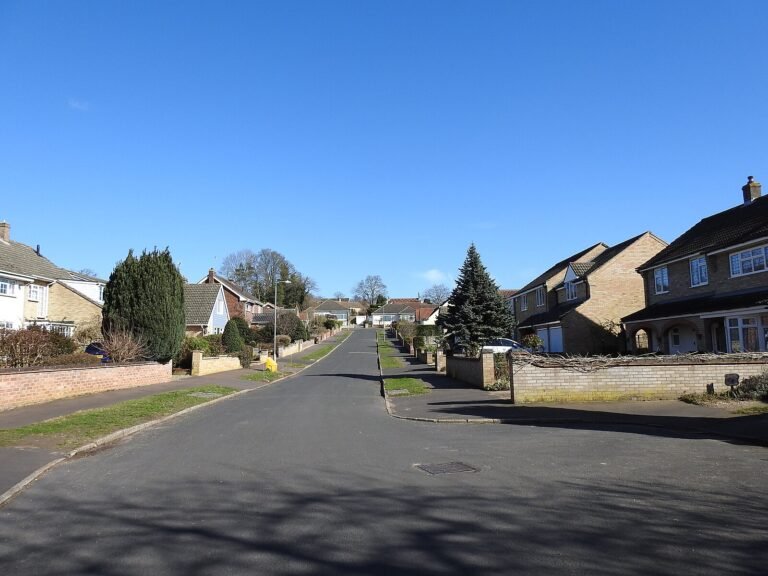
The new half is why the parish grew from 2,963 people at the 2011 Census to 4,685 in 2021. Cringleford Heights is 650 homes on Newfound Farm, land the John Innes Foundation bought in 1976; its first streets were occupied by 2023. The estates have the village’s newer buildings: the Tesco Express at the corner of Dragonfly Lane and Round House Way, the primary school on Dragonfly Lane and the Willow Centre on Willowcroft Way.
Schools
Cringleford CE VA Primary is at 80 Dragonfly Lane (URN 121113). Ofsted rated it Good on 26 June 2024, with personal development Outstanding. It had been rated Outstanding in February 2017. It admits 60 a year and had 456 pupils in May 2026. Its catchment is the parishes of Cringleford, Intwood and Keswick. Inside the catchment, siblings come first, then families who worship regularly at a Christian church, then everyone else. Check the current admissions policy before you offer on a house.
Cringleford Prep, on Woolhouse Way in Cringleford Heights, opened on 1 September 2024 (URN 150734). It is an Inspiration Trust free school with 420 places when full. It admits 30 a year and is filling from the bottom: in May 2026 it had 25 children in Reception and 31 in Year 1. Ofsted has not inspected it yet.
For secondary, both primaries are named feeder schools for Hethersett Academy (URN 140188), an 11 to 16 school in the same trust as Cringleford Prep. Ofsted rated it Outstanding in January 2016 and it kept the grade after an ungraded inspection in September 2022. It was oversubscribed for September 2025. There is no sixth form, so students move on at 16.
The nearest independent schools are in Norwich: Norwich School, Norwich High School for Girls and Town Close, a prep school.
Thinking about moving to Cringleford?
Get the free Norfolk Relocation Pack: Cringleford and the other 45 towns we cover on one table, on price, council tax, population, trains and distance to Norwich, plus a week-by-week move checklist. The download appears here as soon as you enter your email.
Unsubscribe any time.
Getting to work
The hospital is the short commute. From the Tesco on Dragonfly Lane to the Norfolk and Norwich University Hospital on Colney Lane is 1.3 miles by road; from Intwood Road it is 2.6. Norwich Research Park and the UEA campus are next to the hospital.
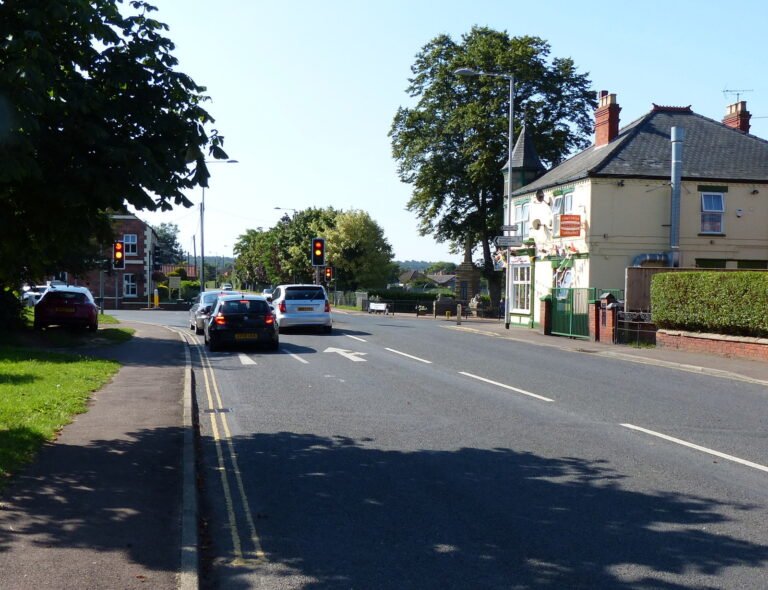
Norwich city centre is 3 miles by road from Intwood Road. Typical drive times are 10 to 15 minutes off peak and 20 to 25 at peak. The A11 and the A47 both cross the parish, and the A11 runs south past Wymondham to Thetford and Cambridge.
First’s Pink Line 11 and 11A stop at Cringleford Heights and Cavell Court. Between them they run about every 15 minutes through the weekday. The first bus leaves Cringleford Heights at 06:13 and reaches Castle Meadow at 06:33. The last from Castle Meadow leaves at 22:52. On Sundays the 11A runs every half hour. The Pink Line 12 runs to the hospital. Other routes, including the Green Line 14 to Wymondham and Attleborough and Central Connect’s 6 to Watton, stop at the Cringleford Interchange on Round House Way, and Central Connect’s 9 also serves the village.
There is no station. Norwich station is 4.6 miles by road. Greater Anglia’s fastest trains from there reach London Liverpool Street in 1 hour 39 minutes, and most take about 1 hour 50. Wymondham station, on the line to Cambridge, is 6.8 miles the other way.
House prices
HM Land Registry recorded 61 standard sales with Cringleford in the address in the 12 months to June 2026. The median was £369,995 and the mean £402,824. Some addresses in the old village are registered without the village name, so the real count is a little higher.
- Detached: 29 sales, median £427,000, from £330,000 to £975,000.
- Semi-detached: 23 sales, median £315,000.
- Terraced: 8 sales, median £312,500.
- New build, all types: 13 sales, median £335,000, from £290,000 to £535,995, mostly on Woolhouse Way, Scott Moncrieff Street and Upcott Drive.
The top of the market is in the old village. Three detached houses on Keswick Road sold for £560,000, £725,000 and £975,000. One on The Loke went for £925,000 and one on Colney Lane for £912,500. Resale houses had a median of £380,000 against £335,000 for new builds.
For comparison, the UK House Price Index put the South Norfolk average at £311,587 in July 2026, up 1.5% on a year earlier. The index adjusts for the mix of homes sold, so it will not match the simple Cringleford figures.
Council tax
A Band D household in Cringleford pays £2,552.17 in 2026-27. That splits four ways:
- Norfolk County Council: £1,843.38 (includes the Adult Social Care precept of £296.64)
- Norfolk Police and Crime Commissioner: £344.79
- South Norfolk Council: £180.00
- Cringleford Parish Council: £184.00
The parish council kept its Band D charge at £184 for 2026-27. The average South Norfolk parish charge is £114.56, and Cringleford’s total bill is the fifth highest of the district’s 118 parishes.
Shops, pubs and the river
Day-to-day shopping is thin. There is the Tesco Express on Dragonfly Lane and the Post Office at 65 Intwood Road. Cringleford Surgery, on Cantley Lane, is a branch of the Humbleyard Practice. For a supermarket shop, restaurants or a cinema you go into Norwich.
The nearest pubs, the Red Lion and the Cellar House, are on Eaton Street, across the Yare in Eaton. The road there crosses Cringleford Bridge, built in 1520, which Robert Kett’s rebels used on their way to Norwich in 1549.
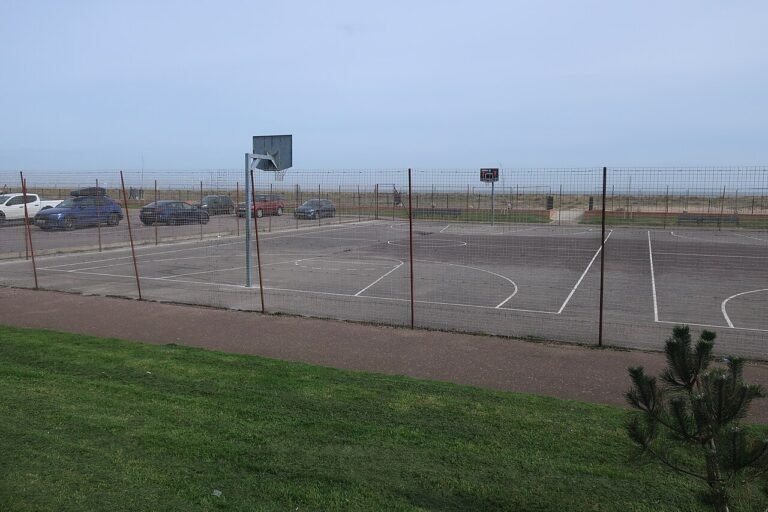
The parish council owns three halls: the Willow Centre on Willowcroft Way, the Jubilee Centre, which opened in November 2024 and has a nursery, and the Pavilion on the Recreation Ground off Oakfields Road. The Recreation Ground is hired out for cricket, and the parish football pitches are let to Cringleford Juniors.
Building still to come
- Cringleford Heights phase 2: 406 homes, approved by South Norfolk Council in December 2025 (application 2024/3836), due to start later in 2026. The site runs up to the A47 and partly under the pylons.
- Roundhouse Gate phase 3: 90 homes on the northern parcel opposite the UEA woods, which the developer, Tilia, had told the parish council it would start in spring 2026; check progress with the parish council before buying nearby.
- The A11 pedestrian crossing between Roundhouse and St Giles Park: County Highways has agreed a 40mph limit on the approaches, and the parish council is putting £15,000 towards it.
Places to compare
- Hethersett: about three miles further out by road, with Hethersett Academy in the village. Median sale price £304,250 over the same period; Band D £2,464.23.
- Mulbarton: further south. Its primary is also a Hethersett Academy feeder.
- Wymondham: a market town with a station on the Norwich to Cambridge line.
- Poringland: the large village on the south-east side of Norwich, if the hospital is not the reason for the move.
- Best Norfolk villages for families: our full shortlist.
Plan the move
How we produced this guide
Cringleford sale prices are from HM Land Registry Price Paid Data: standard sales with Cringleford as the locality in the address, 1 July 2025 to 30 June 2026. The district figure is from the UK House Price Index for South Norfolk, July 2026. Population is from the 2011 and 2021 Censuses. School grades are from Ofsted reports (URNs 121113, 150734 and 140188); pupil numbers, admission numbers, catchments and feeder schools are from the Department for Education’s school register and Norfolk County Council’s schoolfinder. Bus times are from the timetables on bustimes.org, checked on 24 September 2026, and train figures from Greater Anglia’s route pages. Road distances are from OpenStreetMap routing; drive times are typical times, not measured ones. Council tax is from South Norfolk Council’s 2026-27 charges and budget leaflet. Development details are from Cringleford Parish Council’s newsletters and the John Innes Centre. See our methodology page for how we work.
Frequently asked questions
Is Cringleford a nice place to live?
It suits families and anyone working at the hospital, UEA or Norwich Research Park. If you want a pub, a high street or a station within walking distance, look elsewhere.
Does Cringleford have a train station?
No. Norwich station is 4.6 miles by road, and the fastest trains from there reach London Liverpool Street in 1 hour 39 minutes. Wymondham station is 6.8 miles away.
How long is the commute from Cringleford to Norwich?
Typically 10 to 15 minutes by car off peak and 20 to 25 minutes at peak. The Pink Line 11 and 11A buses run about every 15 minutes on weekdays and take about 20 minutes from Cringleford Heights to Castle Meadow.
What is council tax in Cringleford?
Band D is £2,552.17 in 2026-27, including £184.00 for Cringleford Parish Council. It is the fifth highest Band D bill in South Norfolk.
What are the schools in Cringleford like?
Cringleford CE VA Primary was rated Good in June 2024. Cringleford Prep opened in September 2024 and has not been inspected yet. Both are feeders for Hethersett Academy, an 11 to 16 school rated Outstanding.
Is Cringleford good for families?
Yes, if the schools and a short commute are the priorities. The costs are higher prices than the villages further out and more building on the new side of the parish.
How much does a house in Cringleford cost?
The median of 61 standard sales in the 12 months to June 2026 was £369,995. Detached houses had a median of £427,000 and new builds £335,000; the dearest sales were in the old village, up to £975,000.
How does Cringleford compare with Hethersett?
Cringleford is closer to Norwich and the hospital and costs more: a median of £369,995 against £304,250 over the same year, and £87.94 more at Band D. Hethersett has more shops, and Hethersett Academy is in the village.
Data sources: HM Land Registry (Cringleford sales to June 2026; South Norfolk HPI July 2026), ONS Census 2011 and 2021, Ofsted reports (URNs 121113, 150734, 140188), Norfolk County Council schoolfinder, bustimes.org, Greater Anglia, South Norfolk Council 2026-27 council tax charges, Cringleford Parish Council. Author: James Ward, City and Commuter Editor.
Still weighing it up? See how Cringleford compares with Hethersett on prices, schools, broadband and council tax, or answer five quick questions and get a shortlist of the Norfolk towns that fit you.
Planning a move to Norfolk?
Our guides to hiring the firms a move needs.
We earn no commission on these links. Paid placements are sold separately and always labelled. See our advertising and disclosure page.