All practical guides
Cost of buying a house in Norfolk: stamp duty, legal, searches and the fees that follow
Stamp duty, legal fees, Norfolk council searches, surveys for flint and thatch, mortgage fees and three worked totals from £200k to £450k.

The price on the listing is the headline. The money you actually hand over to move in is 2 to 5 per cent more. For a £300,000 Norfolk home that is around £10,000 of fees, taxes and oddments before you sign the register at completion. This guide walks through each fee in the order you pay it, with Norfolk figures where Norfolk is different.
Three worked totals sit at the end. First the fees themselves.
Stamp duty: the biggest line for most buyers
Stamp Duty Land Tax is paid to HMRC within fourteen days of completion. Your solicitor files it. On a standard residential purchase in England the rates since 1 April 2025 are: nothing to £125,000, two per cent to £250,000, five per cent to £925,000, ten per cent to £1.5 million and twelve per cent above that. A £300,000 house attracts £5,000 of SDLT (nil on the first £125,000, 2% of £125,000 = £2,500, plus 5% of £50,000 = £2,500).
First-time buyers get relief up to a £500,000 price cap: nothing to £300,000, then five per cent from £300,001 to £500,000. A first-time buyer at £300,000 pays zero. At £350,000 they pay £2,500. Buy a £500,001 house and the relief disappears entirely and the standard table applies.
If this is a second home or a buy-to-let, add five per cent on top of every band. That is the additional-dwelling surcharge raised from three per cent at the October 2024 Budget. A £300,000 second home therefore pays £5,000 standard SDLT plus £15,000 surcharge, £20,000 in total. If you are buying before selling your main residence you pay the surcharge up front and have three years from completion of the new purchase to sell the old main residence and claim it back.
Legal: solicitor or licensed conveyancer
Norfolk high street firms (Hansells, Leathes Prior, Steeles Law, Spire Solicitors, Hatch Brenner, Birketts) will quote a professional fee plus VAT plus disbursements. A defensible range for a straightforward £300,000 freehold purchase with a mortgage is £1,000 to £1,500 plus VAT, with disbursements on top. Hansells publishes its freehold sale schedule openly; buyers can request a written quote. Online conveyancers come in cheaper on paper but their quotes often add volume fees that bring them close to a Norwich firm by completion.
For a leasehold flat in Norwich expect £300 to £500 more. For an unregistered title (older North Norfolk and Breckland properties can still be unregistered) add £200 to £400 for a first registration at HM Land Registry.
Moving to Norfolk this year?
Get the free Norfolk Relocation Pack: all 46 towns we cover on one table, on price, council tax, population, trains and distance to Norwich, plus a week-by-week move checklist. The download appears here as soon as you enter your email.
Unsubscribe any time.
Searches: Norfolk is slightly different here
Local authority searches confirm what the council knows about the house and the land. In Norfolk the LLC1 part has migrated to HM Land Registry’s national Local Land Charges register for Broadland, South Norfolk and North Norfolk; the CON29 part remains district-council work.
Broadland and South Norfolk charge £243.54 (including VAT) for a CON29 residential enquiry in 2026-27. North Norfolk charges in the £110 to £120 range. Each additional CON29O optional question is £28.26 at Broadland and South Norfolk. On top sits the Norfolk County Council CON29 element, charged by the districts to feed into their replies, £36.30 plus VAT since 1 April 2026.
In practice your conveyancer bundles the searches into one disbursement line. Budget £200 to £280 for the local authority pack across most Norfolk districts.
Three further searches are routine. The drainage and water search costs around £60 to £75 and is bought from Anglian Water. The environmental search costs £35 to £60 and flags contamination, radon and flood risk, all of which matter in parts of Norfolk (radon is elevated in pockets of mid-Norfolk and Breckland per the UK Health Security Agency map; coastal and Broads properties flag for flood). A chancel repair indemnity policy, a one-off £20 to £30 insurance, is still commonly bought in Norfolk conveyancing. The reason it matters here more than in most counties is parish density: Norfolk has more medieval parish churches than any other English county (around 650), and lay rectors in historically-rectorial parishes used to carry chancel repair liability for life. The 12 October 2013 registration deadline under the Land Registration Act 2002 extinguished most unregistered liability; the indemnity covers the residual risk.
Survey: what level, and the Norfolk construction surcharge
The mortgage valuation is for the lender, not for you. A proper survey is your decision. The RICS Home Survey has three levels. Level 1 (Condition Report, £300 to £900) is a visual tick-box for a modern house in good order. Level 2 (HomeBuyer Report, £400 to £600 for a £300,000 property) is the usual choice for a conventional post-1945 Norfolk home. Level 3 (Building Survey, £630 to £1,500 at a £300,000 price point) is the full structural report.
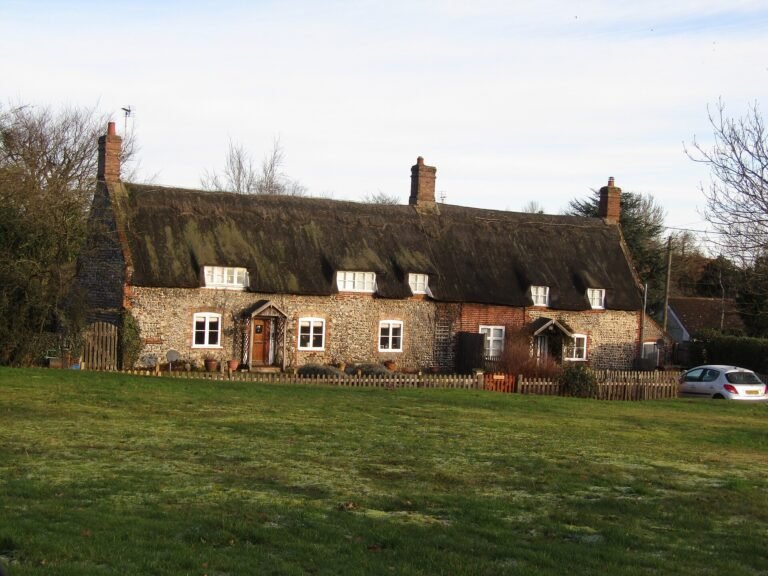
If the house is non-standard, Norfolk makes this common. Flint cottages across North Norfolk and the Broads, thatched roofs around Thorpe St Andrew and the inland villages, clay-lump walls across the mid and south of the county (almost unknown outside Norfolk and Suffolk). A Level 3 is standard practice for any of these, and quotes come in higher because the inspection takes longer and the surveyor needs the right qualifications. Ring the firm. Arnolds Keys, Brown & Co and Bidwells all cover Norfolk with RICS surveyors familiar with the local stock.
Mortgage: arrangement, valuation, broker
Three fees here. The arrangement fee goes to the lender for setting up the loan and typically runs around £1,000, with a range from zero (added to the rate instead) up to about £2,000 for some fixed-rate products. On most purchases it is cheaper to pay the fee than to add it to the loan, where you pay interest on it for the fix.
The valuation fee goes to the lender’s surveyor. Many high street lenders now waive this for standard purchases up to a cap; where it is charged, expect £100 to £300 for a £300,000 property. Private banks and specialist lenders charge more.
If you use a broker: fee-free brokers earn procuration from the lender (typically 0.3 to 0.45 per cent of the loan). Fee-charging brokers charge £300 to £1,000 flat on a standard case, higher for complex income (self-employed, buy-to-let portfolios, foreign currency). Both can be worth it; neither should be a surprise at offer stage.
Removals: Norfolk firms, Norfolk ranges
A three-bedroom house move within Norfolk from a British Association of Removers firm (Britannia Alan Cook based near Norwich, White & Co, Yeates) typically costs £1,000 to £2,000 plus VAT, including loading, transit and unloading. Packing adds roughly £600 to £700. For a London to Norfolk move expect £2,000 to £3,500 depending on volume, access at both ends and whether the move is single-day or split.
Three Norfolk-specific wrinkles. Narrow lanes in the north and west mean quotes may add a smaller shuttle vehicle; flag it when you book. Thatched cottages and listed buildings often need the removers to protect door frames and floors with professional covers rather than domestic blankets. And completion days clustered on Fridays (the lenders’ preferred release day) push BAR member diaries hard in spring and autumn, so booking three to four weeks ahead is normal.
Moving in: the fees everyone forgets
The utility clock starts at completion. Your first electricity and gas bill will carry a standing charge from that day. Openreach line activation if moving to a property with no live connection runs £50 to £140 depending on the ISP and whether the line needs engineer time. A locksmith to change the euro-cylinder on the front and back doors on the day of handover is typically £80 to £150 for a UK uPVC door, more for original hardwood.
Help to Buy ISA holders can still claim the 25 per cent bonus at completion if the account was opened by 30 November 2019, bonus claimed by 1 December 2030, with a property price cap of £250,000 outside London. A Lifetime ISA pays a 25 per cent bonus for first-time buyers up to a £450,000 property price (per HMRC’s LISA guidance). Both are paid at completion, not exchange, and go through your conveyancer.
Three worked totals
Figures round to the nearest £50; disbursements are indicative Norfolk 2026-27 numbers.
Example 1: £200,000 first-time buyer in Dereham. SDLT £0 (first-time buyer relief). Conveyancing £1,000 + VAT = £1,200. Searches £300. Chancel indemnity £25. Level 2 survey £450. Mortgage arrangement £995. Valuation waived. Removals (Norwich-area local move) £1,200 + VAT = £1,440. Locksmith and utility setup £150. Total fees: around £4,560 above the price.
Example 2: £300,000 home-mover in Wymondham. SDLT £5,000. Conveyancing £1,300 + VAT = £1,560. Searches £320 (Broadland/South Norfolk CON29). Chancel indemnity £25. Level 2 survey £550. Mortgage arrangement £999. Valuation £200. Removals (Norfolk local) £1,500 + VAT = £1,800. Locksmith and utility setup £150. Total fees: around £10,600 above the price.
Example 3: £450,000 first-time buyer moving from London to a thatched cottage near Reepham. SDLT £7,500 (first-time buyer relief: 0% to £300,000, then 5% on the next £150,000). Conveyancing £1,500 + VAT = £1,800. Searches £320. Environmental and drainage £140. Chancel indemnity £30. Level 3 survey on thatched construction £1,100. Mortgage arrangement £1,499. Valuation £300. Removals (London to Norfolk) £2,800 + VAT = £3,360. Locksmith and utility setup £180. Total fees: around £16,230 above the price.
Sequencing the money
Reservation money, if there is any, comes first (new-build reservation fees run £500 to £2,000 and come off completion). The mortgage valuation and the survey are the next cash out, before exchange. The deposit (five to twenty-five per cent of the price) sits with your conveyancer by the day of exchange. Everything else lands at or just after completion. Searches get paid when your conveyancer buys them, early in the file. SDLT is filed and paid within fourteen days of completion.
Budget conservatively. The gap between what you have at offer stage and what you need at completion is where chains break and buyers get caught out.
FAQ
Is stamp duty paid on exchange or completion? Completion. SDLT is filed and paid within fourteen days of completion; your conveyancer handles the return.
Can I add the mortgage arrangement fee to the loan? Most lenders allow it. You then pay interest on the fee for the length of the fix. For most buyers paying up front is cheaper.
What is a chancel search and do I need it in Norfolk? Chancel repair liability historically fell on lay rectors in some parishes to maintain the chancel of the parish church. The 12 October 2013 registration deadline extinguished most unregistered liability. An indemnity policy at £20 to £30 covers the residual risk and is routinely bought in Norfolk conveyancing because the county has such a high density of pre-1536 parish churches.
Do I need a Level 3 survey for a flint cottage? Normally yes. The RICS guidance is that non-standard construction (flint, thatch, clay-lump, timber frame, listed buildings) warrants a Level 3 Building Survey. Check that the surveyor you book has relevant Norfolk experience.
How does the three-year replacement-of-main-residence refund work? If you pay the additional-dwelling surcharge because you have not yet sold your previous main home, you have three years from completion of the new purchase to sell the old main residence and claim the surcharge back. The claim must be made within twelve months of the sale or the original SDLT filing date, whichever is later.
Linked guides on the money side: Getting a mortgage in Norfolk, Conveyancing in Norfolk, Property surveys in Norfolk, Cost of selling a house in Norfolk, First-time buyers in Norfolk.
Planning a move to Norfolk?
Our guides to hiring the firms a move needs.
We earn no commission on these links. Paid placements are sold separately and always labelled. See our advertising and disclosure page.