All practical guides

Pros and cons of moving to Norfolk: what an address can fix and what it can’t
Most drawbacks of moving to Norfolk depend on the address. Five come with the county wherever you buy: pay, NHS dentists, distance, falling prices and bills.

Most of the drawbacks of moving to Norfolk belong to a particular address, and a different address removes them. Oil heating, slow broadband, a street of dark windows in January and the need for a second car all fall into that group. Five things do not: lower pay, too few NHS dentists, the distance by road and rail, a house price average that has fallen while England’s rose, and bills that give a Londoner no saving. Those come with the county wherever you buy, so weigh them before you start looking at towns.
Our guides to the case for living in Norfolk and what the lower prices leave out argue each side at length. This page sorts the list, so you can see what a better choice of town would remove and what it would not.
What you gain
The main gain is the house price, and its size depends on where you are coming from. The average Norfolk home cost £267,745 in August 2026, the latest month published. That is £70,103 below the East of England average, £201,906 below Hertfordshire and less than half of London’s £554,430 (HM Land Registry). Against England’s average of £293,525 it is £25,780 cheaper, about 9%, so the saving is largest for people arriving from London and the counties around it.
Recorded crime is lower too. Norfolk had 61.2 crimes per 1,000 people in the year to June 2026, against 84.6 across England and Wales, the seventh-lowest rate of the 42 police force areas with a published figure (ONS). This gain also depends on the address: Broadland’s rate was 34.4, Great Yarmouth’s 95.6 and Norwich’s 108.3. Our safest places guide goes down to parish level.
It is drier and sunnier than England as a whole. The Met Office’s 1991 to 2020 averages give its East Anglia district 627mm of rain a year and 1,617 hours of sunshine, against 870mm and 1,538 hours for England. The price of that is in force as we write: hosepipe bans have covered most of Norfolk since 11 July and the Great Yarmouth area since 3 August, with no end date set.
The rest of the case is landscape, the north coast and the Broads, and the first guide above covers it.
Drawbacks an address can fix
Each of these varies so much inside the county that the average tells you little. The Census figures are from 2021.
| Drawback | Worst placed | Best placed | Check before you offer |
|---|---|---|---|
| Oil heating: 17.3% of Norfolk homes used oil alone, against 3.2% in England | King’s Lynn and West Norfolk, 25.1% | Norwich, 0.2% | The heating type, and a year of the seller’s delivery invoices |
| Full fibre: 77.5% of premises could order it on 1 November 2026, against 86.4% in England | North Norfolk, 64.3% | Great Yarmouth, 87.5% | Ofcom’s checker, for the exact address |
| A second car: 40.4% of households had two or more cars or vans, against 35.2% in England | Villages with few buses | Norwich, or a town with a station or a frequent bus | The nearest stop and its timetable on bustimes.org |
The second car is the dearest of the three. HMRC’s approved mileage rate, which it sets to reflect the average cost of motoring, is 55p a mile from April 2026, so 6,000 miles a year comes to about £3,300 on that basis.
Second homes are a different kind of cost. North Norfolk District Council’s figures for 1 April 2022 counted 34.8% of the homes in Wells-next-the-Sea as second homes or holiday lets, against 12.2% across the district. No figure tells you what one street is like, so go in January.
Moving to Norfolk this year?
Get the free Norfolk Relocation Pack: all 46 towns we cover on one table, on price, council tax, population, trains and distance to Norwich, plus a week-by-week move checklist. The download appears here as soon as you enter your email.
Unsubscribe any time.
Drawbacks that come with the county
Pay is the largest. The median full-time job based in Norfolk paid £37,303 in April 2026, against £41,198 in England (ONS, provisional), and taking a Norfolk job brings that gap with you wherever you live. In 2025, the latest year with a ratio, the median Norfolk home cost 7.65 times the median full-time Norfolk wage, almost the same as England’s 7.63, so on a local salary the county is no easier to buy in than the country as a whole.
NHS dentistry comes next. The Norfolk and Waveney NHS area had 33.6 NHS dentists per 100,000 people in 2025/26, against 43 in England, and 34.2% of its adults had seen one in the two years to March 2026, against 40% (NHS Business Services Authority). Budget for private care unless a practice tells you it is taking NHS patients.
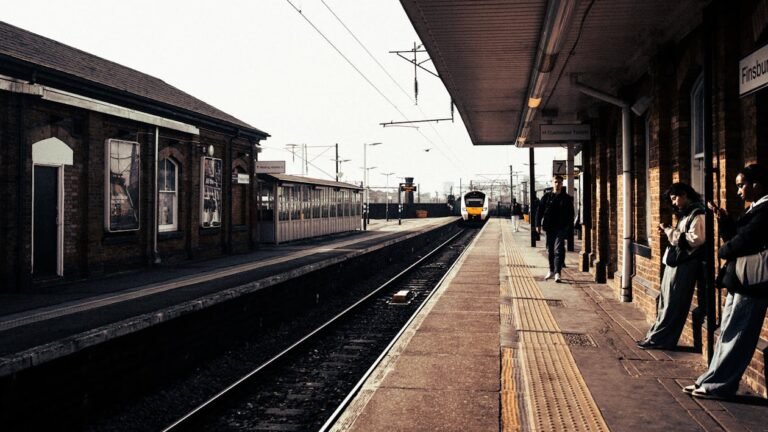
Norfolk has no motorway. The A11 is dual carriageway from Norwich to the M11, but the A47 is still single carriageway for long stretches. The railway helps less than the map suggests, and the best address for London helps only at the margin. The fastest train from Diss takes 1 hour 22 minutes and from Norwich 1 hour 39, and most take longer, so five days a week means three to four hours a day on the train. Our commuting guide sets out the routes and season ticket prices.
House prices have not helped recent buyers. The county average fell about 2% in the three years to August 2026, from £273,070 to £267,745, while England’s rose 2.7% and the UK’s 4% (HM Land Registry). London and Suffolk fell as well, by 1.1% and 2.1%. Three years is a short run and the latest months get revised, but do not count on the average rising to cover the cost of moving again if your first town turns out wrong.
Bills bring no saving. Band D averages run from £2,414 in Great Yarmouth to £2,503 in Norwich, parish precepts included, against £2,392 across England and £2,068 across London (MHCLG). No Norfolk address pays less than £2,311.65 at Band D, because the county council takes £1,843.38 and the police £344.79. Anglian Water, which supplies most of the county, has an average combined water and sewerage bill of £674 for 2026-27, against £639 across England and Wales (Water UK). Our cost of living guide has the rest of the sums.
Who comes out ahead
The list favours anyone bringing income or equity into the county. A remote worker paid elsewhere avoids the pay gap and can pick an address with full fibre. A retired couple selling at Hertfordshire’s average and buying at Norfolk’s would free about £200,000 before moving costs, and can choose a town with a surgery and a bus route. Your house is not the average, so run the sum on your own figures.
It favours least someone moving for a Norfolk job with no equity from elsewhere, who gets the lower pay and little of the price gap. Anyone who must be in London most days should look closer to it. Anyone who cannot drive has a shorter list than the map suggests: Norwich, or a town with a station or a frequent bus.
If the county passes that test, our best places to live in Norfolk is the next read. If you would rather ask, write to info@norfolklivingguide.co.uk with your budget and what matters most, and we will reply with the towns we would look at, at no charge. A person checks each reply before it goes.
Frequently asked questions
What are the pros and cons of moving to Norfolk?
The pros are house prices well below London and the counties around it, recorded crime below the national rate, and less rain than England as a whole. The cons that follow you anywhere in the county are lower pay, few NHS dentists, no motorway, house prices that have fallen over three years, and no saving on council tax or water.
What is the biggest drawback of moving to Norfolk?
For anyone taking a Norfolk job, pay: the median full-time job based here paid £37,303 in April 2026, against £41,198 in England (provisional). For anyone paid from elsewhere, it is the distance, as Norfolk has no motorway and the fastest train from Norwich to London takes 1 hour 39 minutes.
Is Norfolk expensive to live in?
Buying is cheaper than in most of England: the average home cost £267,745 in August 2026, about 9% below England’s average and less than half of London’s. Running a home is not: average Band D council tax is above England’s in every Norfolk district, and Norfolk households are more likely than England’s to run two cars or heat with oil.
Are house prices falling in Norfolk?
Slightly, over three years. The county average fell about 2% in the three years to August 2026, from £273,070 to £267,745, while England’s rose 2.7% (HM Land Registry). Three years is a short run, and the latest months get revised.
Which part of Norfolk avoids the most drawbacks?
Norwich makes a car optional and oil heating rare: at the 2021 Census 32.7% of its households had no car or van, and 0.2% of its homes used oil alone. It also has the highest recorded crime rate of the seven districts, 108.3 per 1,000 people in the year to June 2026, against 34.4 in Broadland.
How we produced this guide
House prices are from the HM Land Registry UK House Price Index for August 2026, the latest month published on 2 November 2026. Recent months get revised, and a three-year change between two single months is a rough measure. Crime rates are from the ONS police force area data tables for the year ending June 2026, excluding fraud: table P3 for Norfolk and England and Wales, and table C4 for the districts, which uses an older population estimate. Rain and sunshine are Met Office averages for 1991 to 2020. Water bills are from Water UK’s table for 2026-27, and council tax from MHCLG’s 2026-27 tables and Breckland’s charges, where £2,311.65 is the lowest Band D in the county. Heating and car figures are from the ONS 2021 Census, pay from the ONS earnings survey for April 2026 (provisional, workplace-based, full-time), the affordability ratios from the ONS for 2025, dentist figures from the NHS Business Services Authority for 2025/26, full fibre from thinkbroadband for 1 November 2026, second homes from North Norfolk District Council, and mileage from HMRC. Train times are from National Rail’s journey planner for a weekday in November 2026. Last updated: 2 November 2026. Author: Tom Fletcher, Property and Relocation Editor.
Planning a move to Norfolk?
Our guides to hiring the firms a move needs.
We earn no commission on these links. Paid placements are sold separately and always labelled. See our advertising and disclosure page.