All best of norfolk
Best places to retire in Norfolk: eight to shortlist
Most retirement shortlists in Norfolk are settled by how you will reach a doctor, a hospital and a train once driving gets harder. On the coast, Cromer and Sheringham answer that best.

The question that settles most retirement shortlists in Norfolk is how you will reach a doctor, a hospital and a train once driving stops being easy. North Norfolk already had the oldest population of any council area in England and Wales at the 2021 Census, a median age of 54, so you will not be the only one asking. The coast answers that question in Cromer and Sheringham, which have stations and a minor injuries unit between them, and much less well in the villages either side.
Hospitals, trains and dentists
Norfolk has three acute hospitals: the Norfolk and Norwich University Hospital (NNUH) on the edge of Norwich, the Queen Elizabeth in King’s Lynn for the west, and the James Paget at Gorleston for the east. From the north coast the nearest of them is typically 35 to 50 minutes by car. Cromer Hospital has no A&E, but its minor injuries unit is open seven days a week, 8am to 7.45pm.
Norwich trains to London Liverpool Street take 1 hour 39 minutes on the fastest train and about 1 hour 50 on most, with up to two an hour. Diss is on the same main line nearer London: fastest 1 hour 22 minutes, most 1 hour 30 to 1 hour 38, no change. The Bittern Line runs from Norwich to Sheringham through Hoveton & Wroxham, North Walsham and Cromer, roughly hourly, and it is the only train on the coast. Holt, Wells and Burnham Market have none, and away from the stations you are relying on buses or a car.
NHS dentistry is the hardest service to get. Check whether any practice near your shortlisted address is taking NHS patients before you commit, and expect waiting lists. There has been some movement on the coast: in May 2025 North Norfolk District Council agreed to let the former visitor centre in Cromer to The Dental Design Studio for a five-surgery NHS-backed practice. Ask the practice whether it has moved in and is taking NHS patients before you rely on it.
Broadband varies house by house in the villages. Check the exact address on Ofcom’s checker before you make an offer.
The shortlist
Eight places, in alphabetical order. The median is the middle sold price in HM Land Registry’s records for the 12 months to June 2026, except Burnham Market, where there were too few sales in a year and the figure covers three.
| Town | Median sold price | Band D council tax 2026-27 | Without a car |
|---|---|---|---|
| Aylsham | £320,000 | £2,550.76 | Sanders buses to Norwich about twice an hour, about 35 minutes; no station |
| Burnham Market | £715,000 (three years) | £2,403.21 | Lynx 36 Coastliner hourly to Hunstanton; no station |
| Cromer | £260,000 | £2,482.56 | Bittern Line to Norwich in 44 to 47 minutes, roughly hourly |
| Diss | £263,000 | £2,624.36 | Main line: Norwich in about 17 to 21 minutes, London direct |
| Holt | £335,000 | £2,478.13 | Sanders 45 to Norwich; last bus back leaves at 17:35 |
| Sheringham | £295,000 | £2,484.65 | Bittern Line to Norwich in 57 to 66 minutes, roughly hourly |
| Wells-next-the-Sea | £415,000 | £2,440.73 | Coasthopper CH1 along the coast to Sheringham and Cromer; no station |
| Wymondham | £275,750 | £2,482.42 | Norwich in 13 to 16 minutes by train; direct trains to Cambridge |
Still deciding where in Norfolk?
Get the free Norfolk Relocation Pack: all 46 towns we cover on one table, on price, council tax, population, trains and distance to Norwich, plus a week-by-week move checklist. The download appears here as soon as you enter your email.
Unsubscribe any time.
The coast: Cromer, Sheringham, Wells, Burnham Market
Cromer is the coastal town that works best once you stop driving. The Cromer Group Practice and the minor injuries unit are both on Mill Road, Morrisons, Sainsbury’s and Lidl are all on Holt Road, and the train reaches Norwich in about 45 minutes. It is also the cheapest of the four coastal places here, with a median of £260,000, partly because flats make up about a third of its sales. Choose it if you want the sea and a town that stays open in January.
Sheringham is four miles west and a little smaller, with a Tesco on Cromer Road, the Sheringham Medical Practice, also on Cromer Road, and a Saturday market. The train to Norwich takes about an hour, and the last one back leaves Norwich at 22:47 from Monday to Thursday. The nearest minor injuries unit is at Cromer. ONS estimates for mid-2024 put about 43% of Sheringham’s residents at 65 or over. It suits anyone who expects to give up the car within ten years.
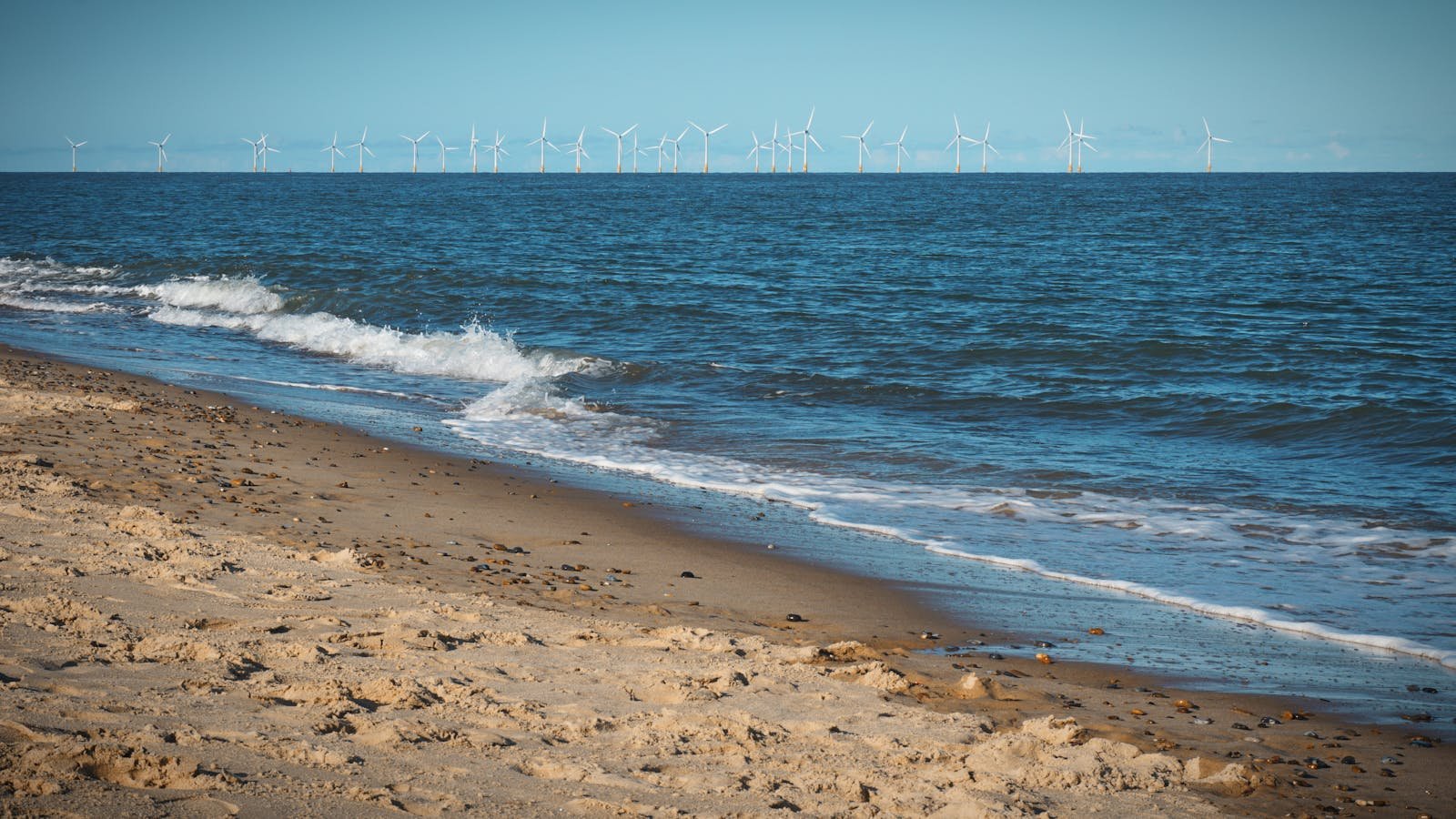
Wells-next-the-Sea is a harbour town with no station. The Coasthopper bus runs east along the coast to Sheringham and Cromer, and Sanders runs to Holt. Houses are dear for the size of the place: the median of 42 sales in the year was £415,000. In summer the town is full; in February it is quiet, and for someone who has just stopped driving it can feel a long way from anywhere. Buy there if you will still drive for years and want the harbour on the doorstep.
Burnham Market is the most expensive place on this list by a distance. Across three years to June 2026 the median sale was £715,000, and 16 of the 65 sales were for £1 million or more. The Lynn News has reported that about half the homes in the village are not anyone’s main residence. The Burnham Surgery on Creake Road is listed by the NHS as accepting new patients, and the Lynx 36 bus runs hourly. It suits buyers with the budget who do not mind neighbours who come and go; if you want a year-round community, look at Wells or Cromer instead.
Market towns: Aylsham, Holt, Wymondham, Diss
A market town is the safer long-term choice for most retirees, because the shops and the surgery are within walking distance and they stay open all year.
Aylsham has two GP practices, the Market Surgery at 26 Norwich Road and the Reepham and Aylsham Medical Practice on Hungate Street, a Tesco on Norwich Road and a general market on Mondays and Fridays, with a food and craft market on the first Saturday of most months. Sanders buses run to Norwich about twice an hour and the Marriott’s Way path heads for the city from the edge of town. It is about 25 minutes from Norwich by car and 20 from Cromer. Council tax is the drawback: Aylsham’s Band D bill is the highest of any parish in Broadland.
Holt is the dearest of the four and the hardest without a car. Budgens and Bakers & Larners, which has traded in the town since 1770, are in the centre, but the Holt Medical Practice’s main surgery is at Kelling Hospital in High Kelling, outside the town, and the direct Sanders 45 bus back from Norwich stops running at 17:35. It suits a retiree who will drive for the foreseeable future and wants a Georgian town centre to walk round.
Wymondham has the quickest trains into Norwich, 13 to 16 minutes, and an hourly direct service to Cambridge; London means a change at Norwich. The Wymondham Medical Partnership on Postmill Close has about 19,400 registered patients. The charter market runs every Friday by the 1617 Market Cross, with a farmers’ market on the third Saturday of the month. Pick Wymondham if you want to keep travelling by train.
Diss is the one to choose if your family is in London or Essex, because the London trains run direct. The town has two GP practices at the Health Centre on Mount Street, Tesco and Morrisons on Victoria Road, a Friday market and the Corn Hall arts centre. The NNUH is about 22 miles north. The trade-offs are a long drive to the sea and the highest Band D bill on this list.
Villages
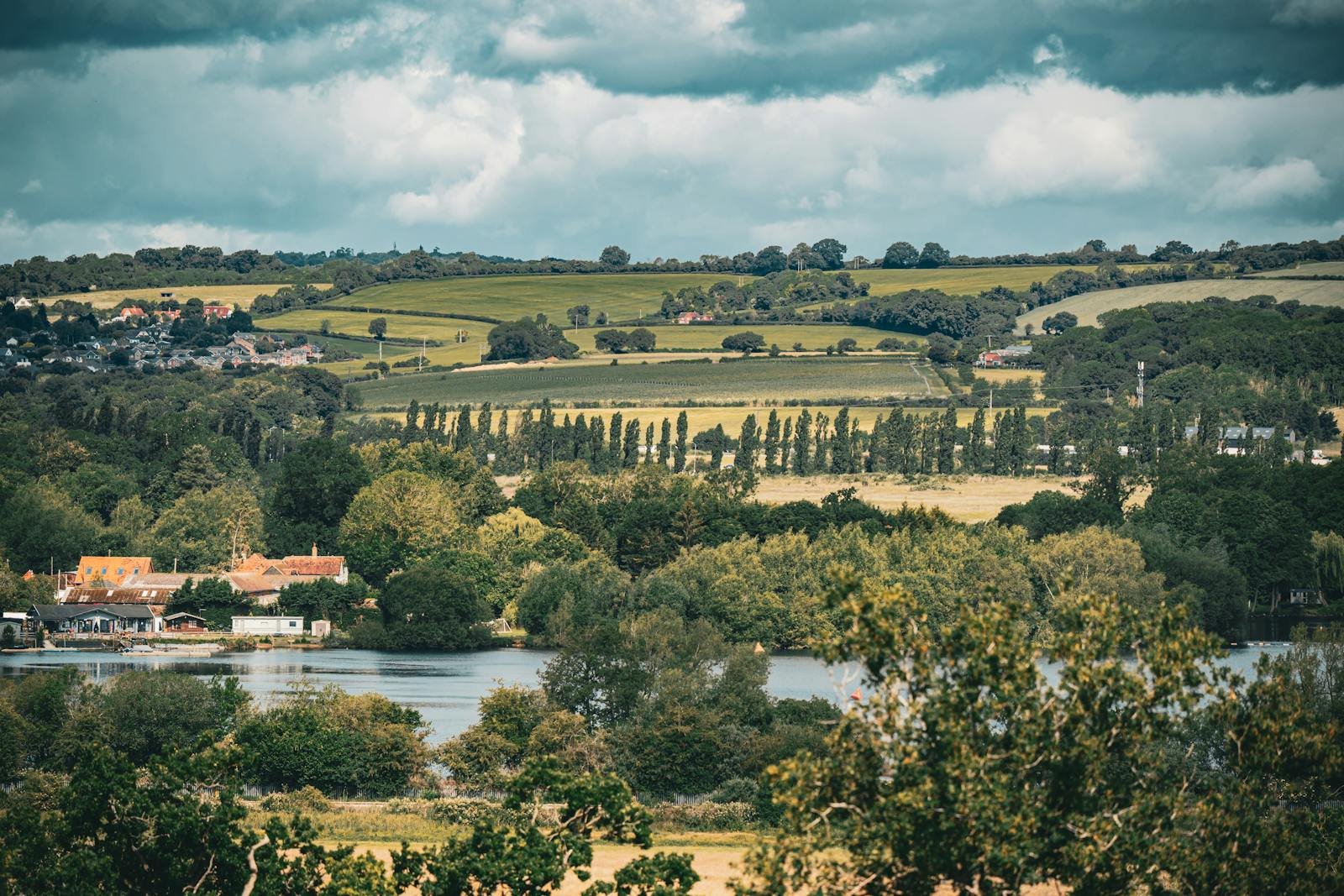
Village life works best for the recently retired who still drive and have reasons to be out of the house. The ones that age well are close to a town with a surgery and a supermarket.
Blakeney and Cley-next-the-Sea are the obvious coastal pair, and the obvious warning about village healthcare. Blakeney Surgery closed on 30 June 2025. Patients now go to the Holt Medical Practice sites at High Kelling or Melton Constable, and repeat medicines can be collected from a 24-hour collection machine at Blakeney Village Hall.
South and west of Norwich, the villages trade the sea for the hospital. From Cringleford the NNUH is 1.3 miles by road, from Hethersett 2.7 miles, and Costessey has First buses into the city about every 20 minutes. Our guide to Norfolk villages covers more of them.
What houses sell for
HM Land Registry does not record bedrooms or whether a house is a bungalow, so the useful split is by type. For a downsizer, the terraced and detached medians below are closer to the real choice than the headline figure.
| Town | Sales | Terraced median | Detached median |
|---|---|---|---|
| Aylsham | 118 | £255,000 | £370,000 |
| Burnham Market (three years) | 65 | £615,000 | £722,500 |
| Cromer | 127 | £260,000 | £382,500 |
| Diss | 138 | £200,000 | £355,000 |
| Holt | 85 | £249,950 | £435,000 |
| Sheringham | 111 | £274,500 | £422,500 |
| Wells-next-the-Sea | 42 | £281,600 | £494,100 |
| Wymondham | 278 | £225,000 | £347,500 |
These are standard sales in the 12 months to June 2026 for the town itself, not its surrounding villages. Small samples move a lot: Wells had 12 terraced sales and Holt 15. Run the same search for the streets you are serious about before you make an offer.
Council tax and council services
Band D bills on the shortlist run from £2,403.21 in Burnham Market to £2,624.36 in Diss for 2026-27. The county and police parts of the bill are the same everywhere; the differences come from the district and from each town council’s precept. Aylsham costs more than the north Norfolk coastal towns because its town council precept, £227.68 at Band D, is the largest in Broadland. Pull the band for the exact address before you buy.
Bins, garden waste and assisted collections for residents who cannot move their bins are run by the district councils. Norfolk County Council runs adult social care, libraries and the Blue Badge scheme.
Common mistakes
- Buying the holiday house. The cottage that felt right in July has to work in January, when the wood-burner may not reach the kitchen.
- Underestimating the drive. Twenty miles to the hospital is easy until your eyesight or your car lets you down. Draw a 1.5-mile circle round the house and ask whether you would walk to everything inside it.
- Leaving the dentist until after completion. Get on a list before you move.
- Choosing on looks. A flint cottage with steep stairs gets harder every year; a single-storey bungalow does not.
- Viewing only in summer. See the town in February as well. If you still like it then, you will like it in August.
The legal and financial side
How we produced this guide
Sold prices are medians of HM Land Registry Price Paid Data, standard sales only, for each town in the 12 months to June 2026 (three years for Burnham Market), queried in September 2026. Council tax is from the 2026-27 charges published by North Norfolk District Council, Broadland and South Norfolk councils, and the Borough Council of King’s Lynn and West Norfolk. Train times are from the Greater Anglia Bittern Line timetable valid from 17 May 2026, Trainline and traintimes.org.uk; bus times from bustimes.org. GP and hospital details are from the NHS, the practices and the NNUH, and the median age from the ONS 2021 Census. Drive times are typical times on the main roads. See our methodology page for more on how we work.
FAQ
Is Norfolk a good place to retire?
Which Norfolk towns offer the best value for retirees?
What is the most popular retirement town in Norfolk?
Is healthcare good in rural Norfolk?
Can I retire to Norfolk without a car?
What is the climate like in Norfolk?
Data sources: HM Land Registry, ONS, NHS, district council tax schedules, Greater Anglia, bustimes.org. Prices for the 12 months to June 2026. Last updated: 24 September 2026. Author: Sarah Ellis, Coast and Broads Editor.
Planning a move to Norfolk?
Our guides to hiring the firms a move needs.
We earn no commission on these links. Paid placements are sold separately and always labelled. See our advertising and disclosure page.