All area guides
Living in Burnham Market
Burnham Market is a village of 724 people where the typical house sold for £715,000 over three years. About half its homes are not anyone's main residence.

Burnham Market is a village of 724 people where the typical house sold for £715,000 over the past three years, roughly twice the figure in Holt. About half its homes are not anyone’s main residence, and the population has fallen by around 150 since 2011. There is no railway, and Norwich is about an hour away by car.
Where it is: about 32 miles north-west of Norwich city centre as the crow flies, in the borough of King’s Lynn and West Norfolk, postcode PE31.
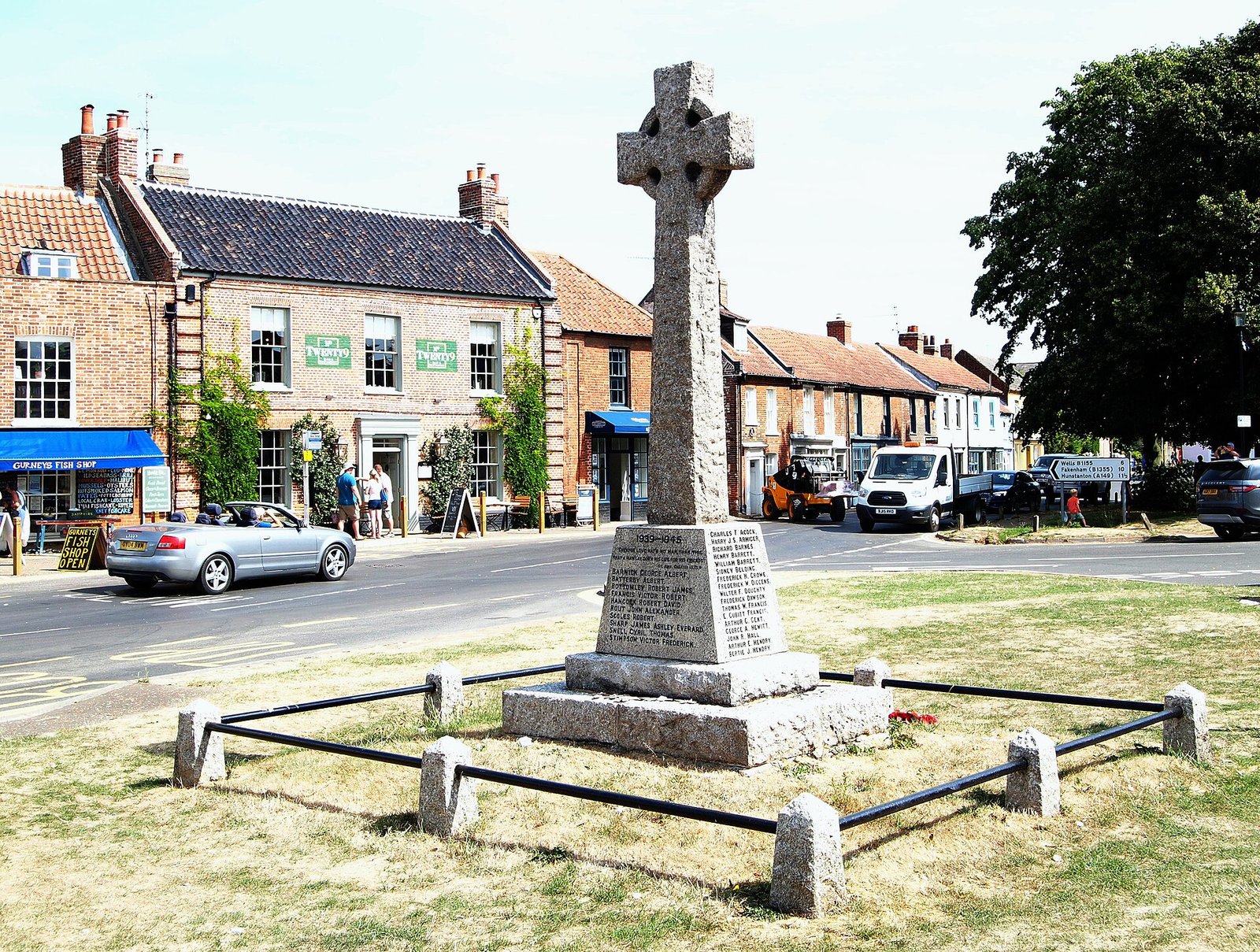
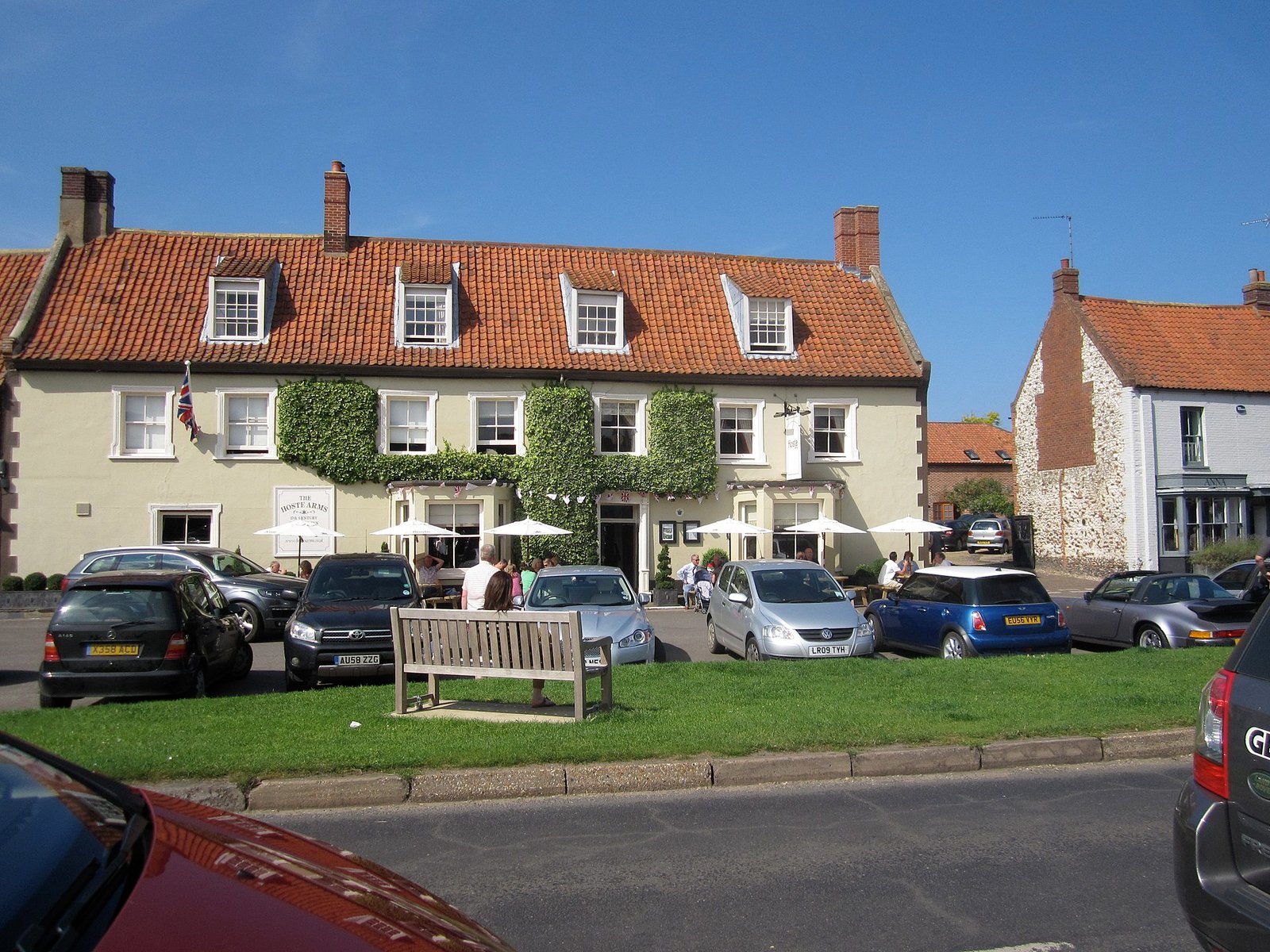
The village is built around a long green, with the Hoste Arms on one side and most of the shops on Market Place. It sits on the River Burn, just over a mile from the coast, 19 miles north-east of King’s Lynn, in the PE31 8 postcode sector.
Population 724 · Band D £2,403 · Primary school Good · Nearest station King’s Lynn
Buy here if you can afford one of Norfolk’s most expensive villages, want to walk to a butcher, a fishmonger and a GP, and do not need a train or a school beyond primary age.
Burnham Market suits people who are retired, semi-retired or working from home, and London sellers buying without a large mortgage. It is a poor fit for a family on Norfolk salaries or anyone commuting daily. For about half the price, Dersingham is on the same side of the county with a bus to King’s Lynn.
Who lives here, and for how much of the year
The “Chelsea-on-Sea” nickname comes from the number of Londoners who have bought here, and the effect shows in the census. The parish had 877 residents in 2011 and 724 in 2021. In March 2025 Lynn News reported that about 50% of homes in the village are not used as a main residence, and that the parish council was being reviewed because it was struggling to fill its seats.
What that means for a permanent resident is a village whose shops, pubs and holiday lets are geared to visitors, busy in summer and at weekends and quiet through the winter evenings. If you are buying to live here all year, visit on a weekday in January before you commit.
House prices
HM Land Registry recorded 65 standard sales with a Burnham Market address in the three years to June 2026. The median was £715,000 and the mean £848,514, pulled up by a small number of large houses. Sixteen of the 65 sold for £1 million or more, the highest £3.6 million on Herrings Lane in October 2024, and 12 sold for under £425,000.
By type, detached houses had a median of £722,500 (38 sales), semis £767,500 (16) and terraces £615,000 (11). Semis sold for more than detached houses because several of the dearest were period houses in the centre, on Church Walk and Overy Road; two terraced houses on Market Place sold for £892,500 and £925,000 in January 2026.
The market is thin. Only 14 standard sales were registered in the 12 months to June 2026, although the latest months are still being added. For comparison over the same three years, Holt’s median was £360,000 from 285 sales and Dersingham’s £290,000 from 241.
Thinking about moving to Burnham Market?
Get the free Norfolk Relocation Pack: Burnham Market and the other 45 towns we cover on one table, on price, council tax, population, trains and distance to Norwich, plus a week-by-week move checklist. The download appears here as soon as you enter your email.
Unsubscribe any time.
Council tax and the second-home premium
Burnham Market is in the Borough of King’s Lynn and West Norfolk, with Norfolk County Council above it. The 2026-27 Band D bill in the parish is £2,403.21 and Band F is £3,471.30.
Since April 2025 the borough has charged a 100% premium on second homes, meaning furnished homes where nobody lives as their main residence, so a Band F second home now pays £6,942.60 a year. There are limited exceptions, such as homes in probate or on the market for sale. When the borough proposed the premium in January 2024, Lynn News reported it would raise at least £400,000 from Burnham Market alone. If you are buying a second home, read our Norfolk second-home rules guide first.
The seven Burnhams
Burnham Market itself was formed from three older villages, Burnham Sutton, Burnham Ulph and Burnham Westgate, and it is the one with the shops. Around it are Burnham Overy Staithe, the harbour on the creek to the north; Burnham Norton, which has St Margaret’s, one of Norfolk’s round-tower churches, and the ruins of a Carmelite friary founded in 1241; Burnham Thorpe to the south-east, where Horatio Nelson was born in 1758 in a rectory since demolished, its site marked by a roadside plaque; and Burnham Deepdale to the west on the A149.
Buyers looking at “Burnham Market” often mean the cluster. The practical difference is that the Market has the shops and the surgery within walking distance, while the outlying Burnhams mean driving in for them.
Shops, pubs and the surgery
For a village of this size the day-to-day shopping is unusually complete. Arthur Howell at 77 Market Place is the butcher and also sells fruit and vegetables from stalls out front. Gurneys at 28 Market Place has sold locally landed fish and shellfish since 1992, and Humble Pie, a delicatessen established in 1980, is upstairs in the same building. Burnham Market Stores on Overy Road is the grocery, there is a post office, and Sands Pharmacy is on Market Place. Satchells, a wine merchant dating from the 1880s, is just off the green.
The Brazen Head Bookshop sells second-hand and antiquarian books, more than 100,000 of them across eight rooms, and has done since 1986. Most of the rest of the village’s shops are clothes, galleries, interiors and estate agents.
The Hoste Arms was the manor house of Burnham Westgate, recorded as an inn from 1651 and renamed after Captain Sir William Hoste in 1811; it now has 45 bedrooms, a restaurant and a spa. The Nelson on Creake Road is the other pub, and the White Horse at Brancaster Staithe is about ten minutes west on the coast bus.
Burnham Surgery at 1 Creake Road is the GP practice, and its NHS listing shows it accepting new patients. The nearest fuel is at Deepdale Stores in Burnham Deepdale. The borough’s car park on North Street has 187 spaces and the village’s only public toilets.
Schools
Burnham Market Primary and Nursery School, on Friars Lane, takes children from two to 11 and had 116 on roll in May 2026. Ofsted rated it Good after an inspection on 23 and 24 April 2024, up from Requires Improvement in 2021, and judged personal development Outstanding.
The designated high school is Alderman Peel High School in Wells-next-the-Sea, an 11 to 16 academy in the same trust as the primary, rated Good by Ofsted in April 2022. It has no sixth form, so post-16 means travelling further. Smithdon High in Hunstanton is the next state secondary to the west. The nearest independent schools are Gresham’s in Holt and, further off, Norwich School and Norwich High School for Girls in Norwich.
Our guide to Norfolk’s private schools and our best Norfolk villages for families cover the alternatives if schools are driving the move.
Getting around
Burnham Market has had no railway since 1952; the old station still stands on the road to North Creake. The nearest station is King’s Lynn, about 35 minutes by car, from where Great Northern runs to London King’s Cross, the fastest train in 1 hour 47 minutes and most in 1 hour 51 to 1 hour 58. Door to door that is well over two and a half hours to London each way, which works once a week, not every day.
Norwich is about an hour by car. The Lynx Coastliner 36 stops on the green about once an hour through the day, heading west to Brancaster and Hunstanton (35 to 40 minutes) and on to King’s Lynn, and east to Wells (about a quarter of an hour) and Fakenham. On the timetable for 24 September 2026 the last westbound bus left the green at 18:54. From Wells, the Coasthopper CH1 continues along the coast to Sheringham and Cromer. Sanders runs the 26 and 26A to Fakenham through the Creakes a few times a day.
Further reading
If you are weighing up the west coast against the east, see Hunstanton vs Cromer for living. North Norfolk coast vs Norwich suburbs covers the choice between the coast and the city edge. If your budget is nearer £300k to £500k, Norfolk villages by budget lists places at that level. For the move itself, start with the moving to Norfolk checklist and our Norfolk cost of living guide.
Plan the move
How we produced this guide
Sale prices are from HM Land Registry Price Paid Data, standard sales only, for addresses registered to Burnham Market between July 2023 and June 2026; Holt and Dersingham figures use the same method and period. We use three years because the village has too few sales for a reliable one-year figure. Population is from the 2021 Census. School details are from Ofsted reports and Norfolk County Council’s Schoolfinder. Council tax is from the Borough Council of King’s Lynn and West Norfolk’s 2026-27 charges. Bus times are from the timetables on bustimes.org, checked on 24 September 2026. Drive times are typical times on the main roads. Shop and business details come from the businesses’ own listings and the NHS service directory. See our methodology page for source links.
Frequently asked questions
Is Burnham Market a year-round place to live?
Yes, for people who do not mind a quiet winter. About half the homes are not main residences, so the village is busy in summer and at weekends and much emptier on winter evenings.
What does it cost to buy a house in Burnham Market in 2026?
The median of the 65 standard sales HM Land Registry recorded in the three years to June 2026 was £715,000. Sixteen sold for £1 million or more and 12 for under £425,000.
Are there second-home council tax premiums in Burnham Market?
Yes. Since April 2025 King’s Lynn and West Norfolk has charged double council tax on second homes, so a Band F second home in the parish pays £6,942.60 in 2026-27. There are limited exceptions, such as homes in probate or on the market.
How does Burnham Market compare to Holt for buyers?
Holt is much cheaper. Its median over the same three years was £360,000, about half Burnham Market’s, from more than four times as many sales. Burnham Market is smaller and closer to the coast.
Is Burnham Market at risk from coastal erosion?
The village is just over a mile inland, so cliff erosion is not the issue. Flood risk varies by address, particularly on the low ground towards Burnham Overy Staithe and the marshes, so check the property on the Environment Agency’s flood risk service and read our Norfolk flood risk guide.
Data sources: HM Land Registry Price Paid Data, ONS Census 2021, Ofsted, Norfolk County Council Schoolfinder, Borough Council of King’s Lynn and West Norfolk, bustimes.org. Prices to June 2026; latest Ofsted inspections. Author: Sarah Ellis, Coast and Broads Editor.
Still weighing it up? See how Burnham Market compares with Wells-next-the-Sea on prices, schools, broadband and council tax, or answer five quick questions and get a shortlist of the Norfolk towns that fit you.
Planning a move to Norfolk?
Our guides to hiring the firms a move needs.
We earn no commission on these links. Paid placements are sold separately and always labelled. See our advertising and disclosure page.
Keep reading
Similar Posts
Living in Long Stratton
Long Stratton is a large village on the A140 south of Norwich. Its bypass opened in August 2025 so that 1,875 new homes could follow, and those have barely started.Living in Harleston
Harleston still has a town centre people use every week, and since November 2025 a Lidl beside the Co-op. What it lacks is a railway.Living in Happisburgh
Happisburgh’s coastline has retreated about 250 metres in the last 70 years and no new defences are coming. The village core sits well back from the cliff.Living in Cringleford
Families buy in Cringleford for the schools and the short trip to work: the hospital is 1.3 miles by road, and both primaries feed Hethersett Academy.Living in Hunstanton
Hunstanton is a seaside town at the price of an ordinary Norfolk one, facing west across the Wash. The railway closed in 1969 and Norwich is roughly 75 minutes by car.Living in Thetford
Thetford has cheap houses and a direct train to Cambridge in 42 minutes. What keeps prices down is the town itself: a small centre, post-war housing and one secondary school.