All new homes
First-time buyers in Norfolk: where you can afford and the schemes
One buyer on Norfolk's median full-time pay can borrow about £166,000. That will not buy the county's average home, but it reaches a typical terrace in Great Yarmouth or King's Lynn.

One person on Norfolk’s median full-time pay, £36,886 a year, can borrow about £166,000 at four and a half times salary. That will not buy the county’s average home, £269,185 in July 2026. It will buy a typical terraced house in Great Yarmouth or King’s Lynn.
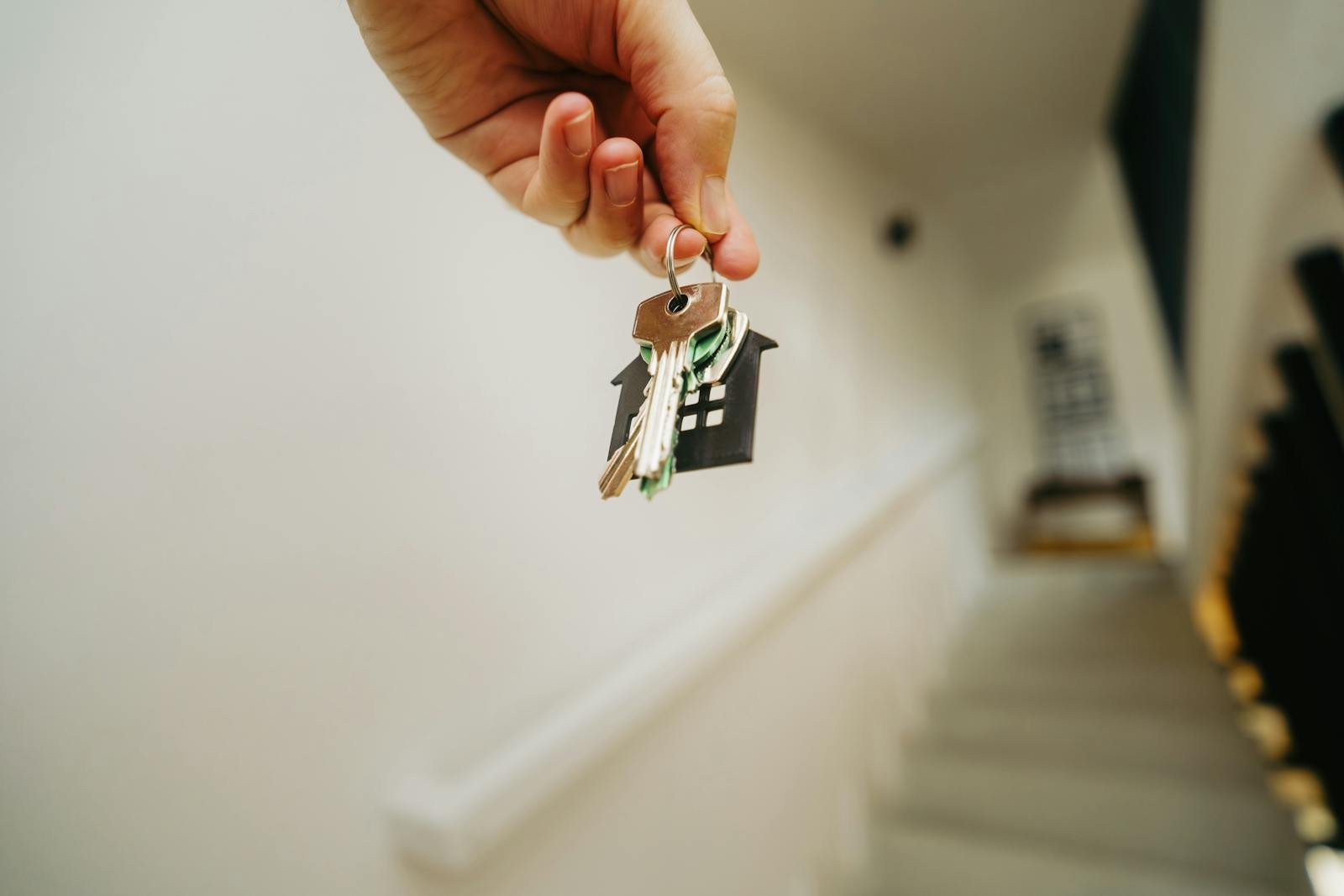
So where you buy matters more than which scheme you use. The schemes are national and work the same in Norfolk as anywhere in England. The prices are local, and they vary a lot inside the county. Our cost of living breakdown covers the bills that come after the move.
Where first-time buyers can afford
These are the medians of what buyers paid in the 12 months to June 2026, from HM Land Registry, for the towns with the county’s lowest prices. They are the same figures our town guides use.
| Place | Median, all sales | Terraced | Semi-detached | Flats | Rail |
|---|---|---|---|---|---|
| Great Yarmouth | £140,000 | £138,000 | £225,000 | £97,000 | Station, trains to Norwich |
| King’s Lynn | £190,000 | £171,000 | £225,000 | £105,000 | Direct trains to London King’s Cross |
| Norwich, NR3 postcode district | £215,000 | £230,000 | £250,000 | £140,000 | In the city |
| Thetford | £218,750 | £185,000 | £220,000 | £110,000 | Trains to Cambridge and Norwich |
| Dereham | £240,000 | £185,000 | £235,000 | £117,250 | No station; buses to Norwich every 30 minutes |
| North Walsham | £255,000 | £191,250 | £255,050 | £145,000 | Hourly trains to Norwich |
| Attleborough | £255,000 | £210,000 | £241,000 | £130,000 | Hourly trains, Norwich to Cambridge |
HM Land Registry Price Paid Data, standard sales, 1 July 2025 to 30 June 2026. Town figures cover the town itself, not the surrounding villages.
Great Yarmouth is the cheapest by a wide margin, and three in four of its sales were terraced houses. In King’s Lynn, Thetford and Dereham a terrace costs £171,000 to £185,000, which a single buyer on median pay with a 10% deposit can just about reach. In Attleborough and North Walsham the same buyer needs a second income or a bigger deposit. Norwich’s cheaper postcodes are mostly terraces and flats: in NR3, north of the centre, the median flat sold for £140,000.
To see what is for sale now, search Rightmove or Zoopla. Asking prices usually sit a little above what homes sell for.
Help to Buy has closed: what replaced it
The Help to Buy equity loan in England stopped taking applications on 31 October 2022. The final completion deadline, after one extension, was 31 May 2023. There is no successor equity loan. The five routes a Norfolk first-time buyer has now are shared ownership, First Homes, the Lifetime ISA, the 2025 mortgage guarantee scheme and the first-time buyer stamp duty relief. Each is national; there is no Norfolk-only scheme. The short version:
Shared ownership is still open and is the most common of the five in Norfolk, mostly on new-build sites run by Flagship Homes and Orbit. Household income cap £80,000. See the detail below.
First Homes, which sells new-build homes to first-time buyers at 30% to 50% below market value with a £250,000 cap after the discount, is still live. The government removed the national requirement for 25% of affordable homes on new sites to be First Homes in December 2024, and the Borough Council of King’s Lynn and West Norfolk’s own guidance notes that supply depends on each developer. Ask the developer whether a specific site has any.
Lifetime ISA. Still open. You can pay in up to £4,000 a year, the government adds 25%, and the money can go towards a first home costing £450,000 or less. Early withdrawal for anything else loses 25% of the amount taken out. The Treasury has consulted on replacing it with a new First-Time Buyer ISA from April 2028; until then both the Lifetime ISA and anything already paid into one continue to work as they did.
Mortgage guarantee scheme. The temporary scheme ran out in June 2025. HM Treasury launched the permanent 2025 Mortgage Guarantee Scheme in July 2025, open to first-time buyers and home movers, with 91% to 95% loan-to-value mortgages available through participating lenders. The scheme covers properties up to £600,000, and individual lenders set their own criteria on top. A broker is the quickest way to find current products.
Stamp duty first-time buyer relief. From 1 April 2025 the thresholds returned to the pre-2022 levels. First-time buyers pay no stamp duty up to £300,000 and 5% on the portion between £300,001 and £500,000. Above £500,000 the relief is lost and the standard rates apply to the whole price. Every median in the table above is under £300,000, so most Norfolk first homes still pay nothing.
Looking at a new build in Norfolk?
Get the free Norfolk Relocation Pack: all 46 towns we cover on one table, on price, council tax, population, trains and distance to Norwich, plus a week-by-week move checklist. The download appears here as soon as you enter your email.
Unsubscribe any time.
Government schemes
Shared ownership
You buy a share of a home, usually between 25% and 75%, and pay rent to the housing association on the rest. Some homes let you start at 10%. Your household income must be £80,000 or less, the deposit is usually 5% to 10% of the share you buy, and every shared-ownership home is leasehold, with service charges on top.
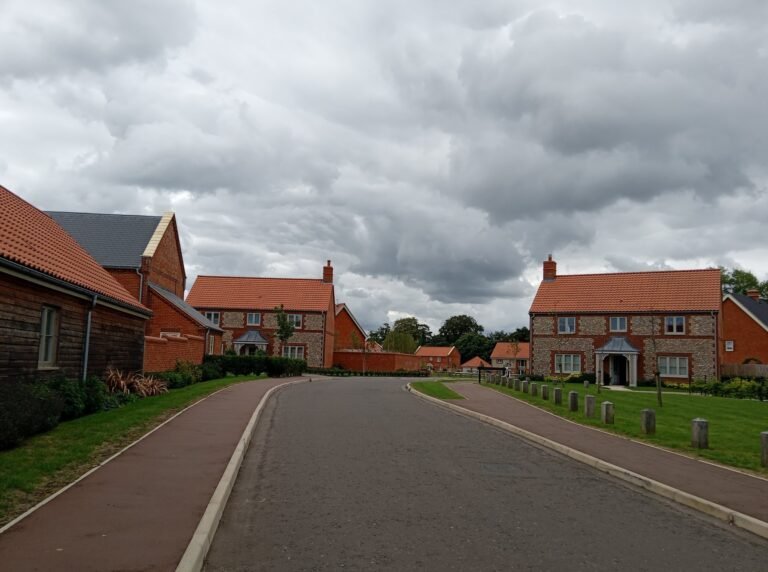
In Norfolk it is mostly new-build. Flagship Homes has shared-ownership homes at Dereham, Bacton, Swaffham, Harleston and Thetford. At Cygnet Rise in Swaffham a two-bedroom house has a full value of £245,000, so a 25% share costs £61,250 and a 5% deposit on that share is about £3,060. Orbit Homes is launching Harolds Gate in Harleston during 2026, sold only through shared ownership. Our guide to Norfolk new-build developments lists the rest. You pay a mortgage and rent at the same time, so compare the monthly total with renting, and ask what it costs to buy more shares later (staircasing).
First Homes
First Homes are sold to first-time buyers at 30% to 50% below market value, with no rent to pay. Your household income must be £80,000 or less, you need a mortgage for at least half the price, and a new-build First Home cannot cost more than £250,000 after the discount. The discount stays with the house: when you sell, you sell at the same percentage below market value to another eligible buyer.
Councils can add local rules, such as priority for key workers or people already living in the area, for the first three months a home is on sale. You apply through the developer, and the council checks the application. First Homes are not common in Norfolk. The government dropped the national requirement for 25% of affordable homes on new sites to be First Homes in December 2024, so ask each developer whether it has any.
Lifetime ISA
You can open one if you are 18 or over and under 40. You can pay in up to £4,000 a year until you are 50, and the government adds 25%, up to £1,000 a year. The money can go towards a first home costing £450,000 or less, bought with a mortgage at least 12 months after your first payment. Take it out for anything else before 60 and you lose 25% of the withdrawal.
The price limit is well above what most first homes in Norfolk cost. Five years of full payments build £20,000 plus £5,000 in bonus. Two buyers doing the same collect £2,000 a year in bonuses between them and reach £50,000.
The Lifetime ISA is being replaced. The Treasury’s consultation on a new first-time buyer ISA closed on 18 August 2026. Until the new account is available you can still open a Lifetime ISA, and existing savers can keep paying in.
Mortgage guarantee scheme
Since July 2025 the government has permanently guaranteed part of lenders’ losses on 91% to 95% mortgages, so you can buy with a 5% deposit. First-time buyers and home movers both qualify, and the Treasury’s scheme rules set no maximum property price. Not every lender takes part, so a broker is the quickest way to find the current products.
Stamp duty
First-time buyers pay no stamp duty on the first £300,000 and 5% on the part between £300,001 and £500,000. Above £500,000 the relief is lost and the normal rates apply to the whole price. Every median in the table above is under £300,000, so most first homes in Norfolk pay nothing. Budget separately for the solicitor, a survey and the move itself.
Mortgages and the house itself
Norfolk has a lot of flint, clay lump and thatch, and some lenders will not lend on non-standard construction. A Norfolk mortgage broker will know which lenders will. Online brokers such as Habito and Better are the alternative; Habito’s standard advice is paid for by lender commission, so you pay no fee.
Parts of the Broads, the coast and the Fens are at risk of flooding, which can raise insurance premiums and narrow the lenders willing to help. Check the Environment Agency flood map before you offer.
A new house costs more than an older one of the same type. In the 12 months to June 2025 a new terraced house in Norfolk sold for a median £264,100, against £215,000 for an existing one. A Victorian terrace in Norwich or a town-centre cottage usually gives you more room for the money, and more repairs.
Buy in Great Yarmouth, King’s Lynn, Thetford or Dereham if one income has to carry the mortgage. The county average needs two incomes, a large deposit or a shared-ownership share.
Frequently asked questions about first-time buyers in Norfolk
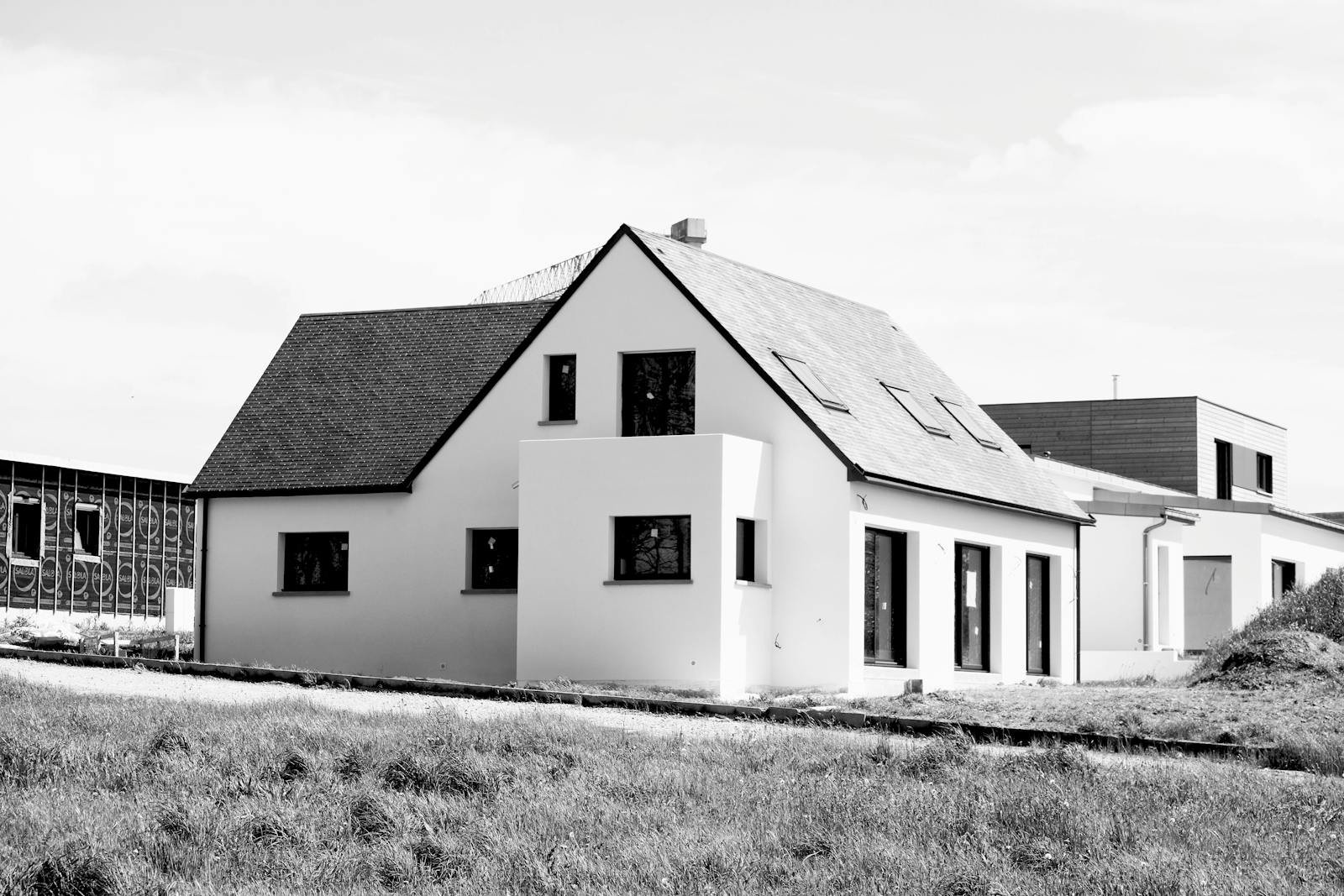
Is Norfolk good for first-time buyers?
In its cheaper towns, yes. The Norfolk average, £269,185 in July 2026, is close to the UK figure, but the median sale in Great Yarmouth was £140,000 and in King’s Lynn £190,000. Thetford, Dereham, Attleborough and Great Yarmouth all had a median terraced price under £211,000.
Where can first-time buyers afford in Norfolk?
Great Yarmouth, King’s Lynn, Thetford and Dereham, where terraced houses sold for a median of £138,000 to £185,000 in the year to June 2026. Flats in Norwich’s NR3 postcode district sold for a median £140,000. Shared-ownership homes are on several new-build developments.
Are there Help to Buy schemes in Norfolk?
The Help to Buy equity loan has closed in England. Shared ownership, First Homes, the Lifetime ISA and the mortgage guarantee scheme are the national alternatives, and there is no Norfolk-only scheme. For affordable housing in your area, ask the district council (Breckland, Broadland, Great Yarmouth, King’s Lynn & West Norfolk, North Norfolk, South Norfolk or Norwich City).
What should first-time buyers know about Norfolk?
Check the broadband at the exact address, the flood map and the construction type before you offer. Outside the towns you will need a car, and several of the cheaper towns, Dereham among them, have no station.
Data sources: HM Land Registry Price Paid Data and UK House Price Index; ONS Annual Survey of Hours and Earnings; gov.uk guidance on shared ownership, First Homes, the Lifetime ISA, the mortgage guarantee scheme and stamp duty.
Related guides
- Best affordable places to live in Norfolk
- Living in Thetford, Norfolk
- Living in Attleborough, Norfolk
- Living in Great Yarmouth, Norfolk
- Moving to Norfolk: the complete checklist
Plan the move
How we produced this guide
Town prices are medians of standard sales in HM Land Registry Price Paid Data for the 12 months to June 2026, the same figures used in our rewritten town guides. The county average is the UK House Price Index for Norfolk, July 2026, and median pay is the ONS Annual Survey of Hours and Earnings 2025 (provisional, full-time workers living in Norfolk); the £166,000 borrowing figure is 4.5 times that pay. Scheme rules were checked on gov.uk on 24 September 2026. Shared-ownership prices are from Flagship Homes’ development pages that day, and the share and deposit figures are our arithmetic. See our methodology page for source links.
Data sources: HM Land Registry, ONS, gov.uk, HMRC, Flagship Homes. Period covered: 2026-27 tax year. Last updated: 24 September 2026. Author: James Ward, Property and Money Editor.
Last reviewed
Planning a move to Norfolk?
Our guides to hiring the firms a move needs.
We earn no commission on these links. Paid placements are sold separately and always labelled. See our advertising and disclosure page.