All practical guides
Commuting from Norfolk to London and Cambridge
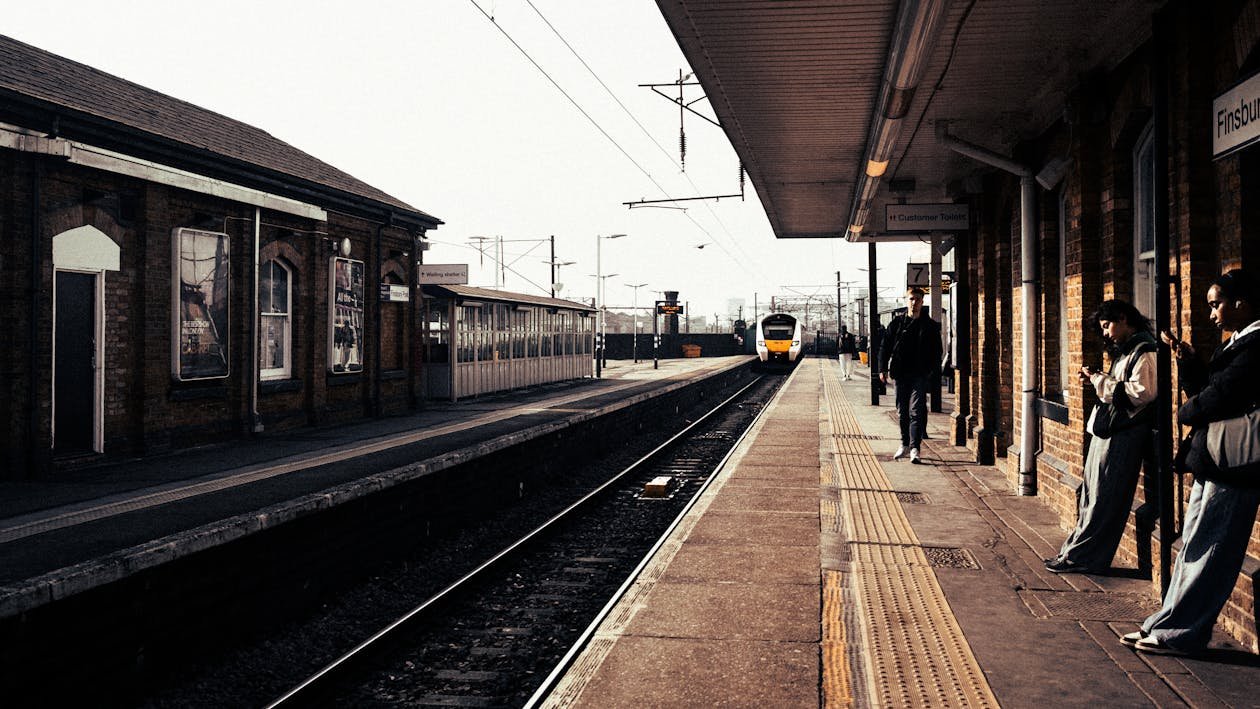
From Norfolk, London works as a commute two or three days a week and Cambridge works every day. The fastest London train leaves from Diss and takes 1 hour 17 minutes.

Annual season tickets from Norfolk, 2026
Standard class annual season tickets starting 1 October 2026, from the National Rail season ticket calculator. Buy through Greater Anglia or Great Northern.
From Norfolk, London works as a commute for two or three days a week and Cambridge works every day. The fastest London train leaves from Diss and takes 1 hour 22 minutes, and an annual season ticket from Diss or Norwich costs about £10,000. Cambridge is 43 minutes from Thetford on the fastest train, and the season ticket costs £2,932.
Train times and season tickets
Three lines matter. Greater Anglia runs the main line from Norwich through Diss to London Liverpool Street, and the Breckland line from Norwich through Wymondham, Attleborough and Thetford to Cambridge. Great Northern runs from King’s Lynn and Downham Market through Ely and Cambridge to London King’s Cross.
The London season tickets below are to London Terminals, so they cover whichever London station the train reaches. Journey times are for weekday morning trains unless marked.
| Route | Journey time | Trains | Annual season ticket |
|---|---|---|---|
| Diss to London Liverpool Street | Fastest 1h 22m; most trains 1h 30m to 1h 38m | Every 30 minutes | £9,976 |
| Norwich to London Liverpool Street | Fastest 1h 39m; most trains 1h 47m to 1h 54m | 33 a weekday | £10,716 |
| King’s Lynn to London King’s Cross | Fastest 1h 47m; most trains 1h 51m to 1h 58m | Every 30 minutes to 08:41, then hourly | £7,644 |
| Downham Market to London King’s Cross | Fastest 1h 31m; most trains 1h 35m to 1h 42m | Every 30 minutes at peak, hourly between | £7,260 |
| Norwich to Cambridge | Fastest 1h 11m; most trains 1h 11m to 1h 22m | Hourly | £5,920 |
| Wymondham to Cambridge | Fastest 1h 4m; most trains 1h 6m to 1h 10m | Hourly | £4,944 |
| Attleborough to Cambridge | Fastest 57m; most trains 59m to 1h 4m | Hourly | £4,840 |
| Thetford to Cambridge | Fastest 43m; most trains 43m to 50m | Up to 2 an hour | £2,932 |
| Attleborough to Norwich | Fastest 20m | Hourly | £1,484 |
| Wymondham to Norwich | 13m to 16m | About hourly, more at peak | £1,036 |
Regulated fares in England, which include season tickets, have been frozen since March 2026, the first freeze in 30 years. The prices above are the frozen ones.
Where to live for each commute
Diss
Diss is the only Norfolk station outside Norwich on the main line to Liverpool Street, and it is 17 to 21 minutes nearer London than Norwich. The fastest train takes 1 hour 22 minutes and most take 1 hour 30 to 1 hour 38. The annual season ticket is £9,976, which is £740 less than from Norwich. Houses are not cheaper than in the city: the median sale in Diss in the 12 months to June 2026 was £263,000, against £236,000 in Norwich, where more than a quarter of sales were flats. For a London commuter who also wants a market town, it is the first place to look.
Norwich
Norwich has the most London trains, 33 a weekday, 32 of them direct, from 05:00 to 22:02. The fastest journey is 1 hour 39 minutes and most take 1 hour 47 to 1 hour 54. It is also where the Cambridge line starts, so a household with one person working in each city can live near the station and both can walk to a train. The price is the dearest season ticket on this page, £10,716 a year.
Wymondham
Wymondham suits people who work in Norwich or Cambridge. Trains reach Norwich in 13 to 16 minutes, for a £1,036 annual season, and Cambridge directly in 1 hour 4 minutes on the fastest train. There is no direct London train: the quickest weekday journey, with one change, reaches King’s Cross in 2 hours 1 minute; changing at Norwich for Liverpool Street takes at least 2 hours 14 minutes. The median house price was £275,750 in the 12 months to June 2026.
Attleborough
Attleborough is one stop further from Norwich, 20 minutes on the fastest train, and the Norwich season costs £1,484. The fastest direct train to Cambridge takes 57 minutes. London means a change, and the quickest weekday journey is 1 hour 54 minutes, to King’s Cross. The median house price, £255,000, was about £20,000 below Wymondham’s.
Thetford
Thetford is the last Norfolk stop on the line to Cambridge: 43 minutes on the fastest train and 43 to 50 on most, with up to two trains an hour on weekdays. At £2,932 a year it has the cheapest Cambridge season ticket on this page, and the median house price was £219,000, the lowest of the Breckland line towns.
King’s Lynn
King’s Lynn’s trains go to King’s Cross by way of Ely and Cambridge. The fastest train takes 1 hour 47 minutes and most 1 hour 51 to 1 hour 58, and the annual season via Cambridge is £7,644, about £3,000 less than from Norwich. Houses are the cheapest of any town on this page, with a median of £190,000. The same trains stop at Cambridge, so the town also works for a Cambridge job.
Downham Market
Downham Market is 17 minutes down the same line from King’s Lynn and quicker to London: direct trains reach King’s Cross in 1 hour 31 minutes on the fastest and 1 hour 35 to 1 hour 42 on most, Cambridge in 39 minutes and Ely in 19. Its £7,260 London season is the cheapest on this page. The median house price was £260,000. The station is small and most onward travel across Norfolk is by car.
Moving to Norfolk this year?
Get the free Norfolk Relocation Pack: all 46 towns we cover on one table, on price, council tax, population, trains and distance to Norwich, plus a week-by-week move checklist. The download appears here as soon as you enter your email.
Unsubscribe any time.
Two days a week or five
An annual season costs the same as 40 weekly ones, so it is priced for people who travel most weeks. For people who travel less, the comparison is with walk-up fares. An Anytime Day Travelcard from Norwich to London, which covers the train and London buses and Tube, is £168.90, and an Anytime Single is £88.90 each way. At £168.90 a day, the £10,716 annual season pays for itself after 64 days of travel, or about a day and a half a week.
The Flexi Season gives 8 days of travel in any 28. From Norwich it costs £822.60 and from Diss £765.60, which is about £103 and £96 a travelling day. At two days a week, a year of Flexi Seasons from Norwich comes to about the same as the annual ticket, so the Flexi is the better buy only for people who travel less than that. Advance singles are cheaper again but valid only on the booked train: on the Tuesday morning trains we checked from Norwich they ran from £32 to £87.90.
At five days a week, a Norwich commuter spends close to four hours a day on trains before the journey to and from the station at either end.
Driving
The A11 runs from Norwich past Thetford to the M11 and London. By road, Norwich station to Liverpool Street is about 115 miles, which route planning puts at about 2 hours 20 minutes with no traffic. Central London adds the Congestion Charge, £18 a day, and parking. HMRC’s approved mileage rate, meant to cover the full cost of running a car, is 55p a mile from April 2026; on that basis the 230-mile round trip costs about £127 before the charge. Driving is for the odd day, not for a commute.
Cambridge is 66 miles from Norwich station by road, about 1 hour 20 minutes with no traffic, and the A11 makes it a practical drive. The A47 runs east and west across the county, from King’s Lynn past Norwich to Great Yarmouth. It is the road west Norfolk uses to reach Norwich, not a route to London.
National Express runs one coach a day from Norwich bus station to London Victoria, the 491, leaving at 10:10 and arriving at 13:50 by way of Cambridge. On Fridays and at weekends there are also an early-morning 491 and an afternoon 490, both via Thetford. None is a commuter service.
At the London end
Norwich and Diss trains arrive at Liverpool Street, which is on the Elizabeth line, with direct trains to Canary Wharf and Heathrow. King’s Lynn and Downham Market trains arrive at King’s Cross, which is not.
If the Norfolk journey times are too long, the nearest alternatives are just over the county line. Ipswich trains reach Liverpool Street in 1 hour 12 minutes to 1 hour 20 minutes in the morning, and direct trains from Ely reach King’s Cross in about 1 hour 20 minutes.
Working from home
A part-week commute depends on the broadband at the house. thinkbroadband’s September 2026 figures put full fibre coverage at 64% of premises in North Norfolk and 84% in Broadland, with the other districts in between, so rural addresses vary. Check the exact address on Ofcom’s broadband checker before you buy; our Norfolk broadband guide explains how to read the results.
Frequently asked questions
Can you commute from Norfolk to London?
Yes, but it is a long journey. The fastest direct train from Norwich to London Liverpool Street takes 1 hour 39 minutes and most about 1 hour 50; Diss is quicker, from 1 hour 22 minutes. Every day is possible from Norwich, at close to four hours a day on the train.
Which Norfolk town is best for commuting to London?
Diss, for the shortest journey: the fastest train takes 1 hour 22 minutes and most 1 hour 30 to 1 hour 38 and the season ticket is £9,976. Norwich has the most trains. Downham Market has the cheapest London season, £7,260, to King’s Cross.
Can you commute from Norfolk to Cambridge?
Yes, every day from the Breckland line towns. The fastest train from Thetford takes 43 minutes, from Attleborough 57 minutes and from Norwich 1 hour 11 minutes, and Downham Market is 39 minutes away on the King’s Lynn line. By road, Cambridge is 66 miles from Norwich; Thetford is the nearest large Norfolk town.
How much does a Norfolk to London train season ticket cost?
An annual season from Norwich to London Terminals costs £10,716 and from Diss £9,976, for tickets starting 1 October 2026. A Flexi Season, 8 days in 28, costs £822.60 from Norwich.
Related guides
- Norfolk transport guide
- Norfolk cost of living
- Best places in Norfolk for remote workers
- Living in Diss
- Living in Wymondham
Plan the move
How we produced this guide
Season ticket and walk-up fares come from the National Rail season ticket calculator and journey planner, checked on 24 September 2026 for season tickets starting 1 October 2026 and trains on Tuesday 29 September 2026; journey times are the fastest and the usual range of direct weekday trains in the timetable for Tuesday 6 October 2026 on traintimes.org.uk. House prices are medians of HM Land Registry Price Paid Data, standard sales, for the 12 months to June 2026. Road distances and no-traffic times are from OSRM route planning on OpenStreetMap data. Coach times are from bustimes.org. See our methodology page for source links.
Data sources: National Rail, Greater Anglia, Great Northern, HM Land Registry. Fares checked 24 September 2026. Author: Tom Fletcher, Property and Transport Editor.
Last reviewed
Planning a move to Norfolk?
Our guides to hiring the firms a move needs.
We earn no commission on these links. Paid placements are sold separately and always labelled. See our advertising and disclosure page.