All area guides
Living in Gorleston-on-Sea
Gorleston-on-Sea is one of the cheapest places to buy on the Norfolk coast, and it has the James Paget hospital, a sixth-form college and a wide sandy beach.

Gorleston-on-Sea is one of the cheapest places to buy on the Norfolk coast, and it has an acute hospital, the James Paget, inside the town. HM Land Registry recorded a median sale price of £190,000 there in the 12 months to June 2026. The town also has a sixth-form college, a High Street that still has a butcher, and a wide sandy beach with RNLI lifeguards on it every day of the summer holidays.
Where it is: about 19 miles east of Norwich city centre as the crow flies, in the borough of Great Yarmouth, postcode NR31.
The town is on the south bank of the River Yare, across the harbour from Great Yarmouth. Its seafront is smaller and quieter than Yarmouth’s, with a theatre, a bandstand and a model yacht pond in place of a pleasure beach. Norwich is twenty-two miles west on the A47.
Where Gorleston is
The built-up area had 24,470 residents at the 2021 Census, which makes Gorleston the fifth-largest settlement in Norfolk after Norwich, King’s Lynn, Great Yarmouth and Thetford. Its civil parish was abolished in 1974 and it has had no parish or town council since, so Great Yarmouth Borough Council runs local services and Norfolk County Council runs schools, roads and social care.
The town runs from the harbour mouth and the lifeboat station in the north to the edge of Hopton-on-Sea in the south, with the beach and low cliffs to the east and the A47 on the landward side. The James Paget is on Lowestoft Road. Lowestoft is nine miles south on the A47, and the Broads begin a couple of miles inland around Belton and Burgh Castle. The Herring Bridge, a lifting bridge over the Yare, opened on 1 February 2024; it was built to make the trip from Gorleston into Great Yarmouth easier and to connect the port to the A47.
House prices
HM Land Registry recorded 276 standard sales in Gorleston in the 12 months to June 2026. The median price was £190,000 and the mean £227,000. Terraced houses were the biggest group, 124 sales with a median of £169,000, and 46 of them sold for between £150,000 and £180,000. Semi-detached houses had a median of £220,000 (71 sales), detached houses £313,500 (65) and flats £100,750 (16). Thirteen of the 16 flats sold for under £130,000.
There is a top end, but it is thin. One detached house on Marine Parade sold for £1,180,000 in July 2025 and a terrace on the same road for £485,000, and detached houses on Lowestoft Road went for between £397,500 and £580,000. Only 27 of the 276 sales were for £400,000 or more. On Beccles Road, a street of more ordinary family houses, sales ran from £155,000 for a terrace to £280,000 for a detached house.
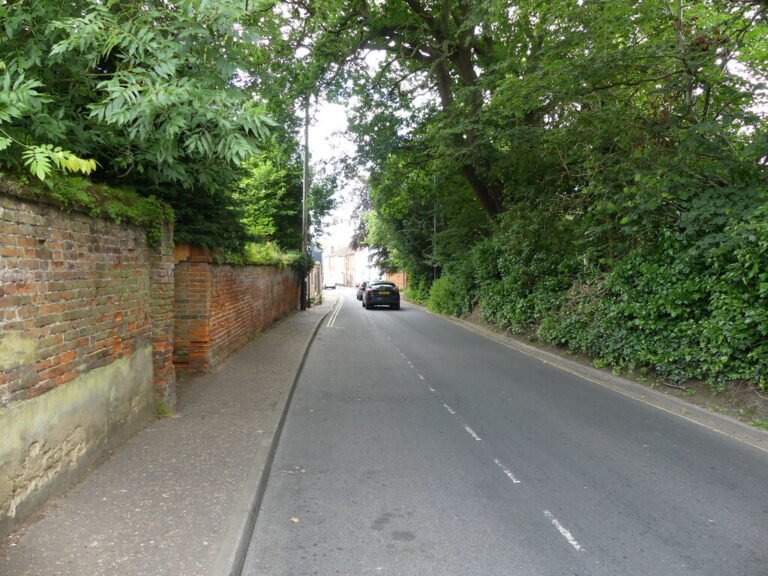
The older terraces are around the High Street, the post-war semis and bungalows are on the inland streets, and the newer estates are on the southern and western edges. Prices sit well below the fashionable end of the coast: you will not find the London-buyer premium of Burnham Market or Holt here.
For the borough as a whole, the UK House Price Index put the Great Yarmouth average at £209,114 in July 2026, up 0.7% on a year earlier. By type it was £167,632 for terraced houses, £213,496 for semis, £315,604 for detached houses and £105,307 for flats. First-time buyers in the borough paid £182,683 on average, against £237,883 in North Norfolk, where the average across all buyers was £292,563. The East of England average was £337,518. The index adjusts for the mix of homes sold, so it will not match the simple Gorleston figures above.
Thinking about moving to Gorleston-on-Sea?
Get the free Norfolk Relocation Pack: Gorleston-on-Sea and the other 45 towns we cover on one table, on price, council tax, population, trains and distance to Norwich, plus a week-by-week move checklist. The download appears here as soon as you enter your email.
Unsubscribe any time.
Council tax
Gorleston is an unparished area, so there is no parish precept on the bill. A Band D bill for 2026-27 is the three main shares added together: £1,843.38 for Norfolk County Council, £344.79 for the Norfolk police precept and £198.25 for Great Yarmouth Borough Council, which makes £2,386.42. The borough’s share rose 2.99% on 2025-26. Check the band of a particular house on the Valuation Office Agency’s register before you buy, and see our Norfolk council tax guide for the other districts.
Schools: good to 16, and a sixth-form college in town
Most of the primaries are rated Good. Ormiston Cliff Park Primary Academy on Orde Avenue, which takes children from three to 11, was rated Good when Ofsted inspected it in March 2022. Stradbroke Primary Academy on Lowestoft Road, Peterhouse CofE Primary Academy on Magdalen Square, Ormiston Herman Academy on Oriel Avenue, St Mary and St Peter Catholic Primary School and Wroughton Infant Academy were all rated Good in their latest reports, published between November 2022 and May 2025. Wroughton Junior Academy on Burgh Road was inspected in June 2026 under Ofsted’s newer report-card system and was judged at the expected standard in all six areas.
There are three 11 to 16 academies. Ormiston Venture Academy on Oriel Avenue was judged Outstanding in all four areas when Ofsted inspected it on 18 March 2025. Cliff Park Ormiston Academy on Kennedy Avenue was judged Good in all four areas in April 2025, up from Requires Improvement in 2022. Lynn Grove Academy was rated Good in October 2023. From September 2024 Ofsted stopped giving state schools a single overall grade, so the two 2025 inspections list grades by area and carry no one-word label.
Sixth-formers do not have to leave town. East Norfolk Sixth Form College is on Church Lane and the X1 bus stops outside it. It had about 1,631 students when Ofsted made a short inspection in February 2024, most of them on A-level and applied courses and 101 on T levels, and the inspectors found it continues to be a good provider.
The nearest independent schools, Norwich School and Norwich High School for Girls, are in Norwich, so choosing one means the A47 twice a day. Our Norfolk schools guide covers admissions.
Getting about
Gorleston is at the eastern end of the A47. The drive to Norwich city centre typically takes thirty to thirty-five minutes off-peak, and the morning peak adds ten or fifteen, more after an accident on the Acle Straight, the single-carriageway stretch between Acle and Great Yarmouth. Lowestoft is about 15 minutes south by car.
The main bus is First’s Coastlink X1 between Norwich and Lowestoft. On weekdays it runs every 30 minutes through the day, and the midday bus takes about an hour from Norwich bus station to Gorleston town centre. The first bus towards Norwich leaves Gorleston town centre at 05:43 and reaches Norwich at 06:40. The last one through to Gorleston leaves Norwich at 18:30; later X1s, hourly until 22:20, stop at Great Yarmouth Market Gates. The X11 links Great Yarmouth, Gorleston and Belton, and First’s local routes 2 and 8 run to the James Paget.
There is no station in Gorleston. Great Yarmouth station is about two miles north, with a roughly hourly Greater Anglia train to Norwich that takes about 33 minutes, or 28 on the fastest services.
Broadband
We do not have a Gorleston-only figure. Across Great Yarmouth borough, thinkbroadband’s data for 19 September 2026 shows 87.18% of premises can get full fibre, 92.62% gigabit-capable broadband and 99.14% superfast speeds of 30 Mbps or more; Virgin Media’s cable network reaches 55.86%. Coverage still varies by street, so check the exact address on Ofcom’s broadband checker before you exchange. Our Norfolk broadband guide explains how to read the results.
The hospital and GPs
The James Paget University Hospital is inside the town, and its emergency department runs 24 hours a day for about 250,000 people across Great Yarmouth, Lowestoft and Waveney. Its CQC rating moved from Requires Improvement to Good in a report published in spring 2026, after a September 2025 inspection raised maternity services from Inadequate to Requires Improvement. The hospital was built with RAAC (reinforced autoclaved aerated concrete) and is in the first wave of the government’s New Hospital Programme, with construction of a replacement expected to start in 2027 to 2028 at a cost of £1 billion to £1.5 billion.
The Beaches Medical Centre on Sussex Road, with a branch on Magdalen Way, has about 25,100 patients and was rated Good by the CQC in June 2022. Check the NHS Find a GP service for which practices are taking patients at your address, and see our guide to registering with a GP in Norfolk.
Shops and pubs
The High Street covers the daily round. Keith’s Butchers is at number 110 and Iceland at 138D, among the independents, charity shops, bakeries and takeaways. For a weekly shop there is a Morrisons at Blackwall Reach, and just north of the town in Southtown a Tesco Extra on Pasteur Road and a Lidl on Thamesfield Way. Aldi is across the river on North Quay.
The Pier Hotel at Harbour’s Mouth was finished in 1897 on the site of a fishermen’s pub; it has 20 bedrooms, a restaurant and bars. The New Entertainer at 80 Pier Plain was the East Norfolk branch of CAMRA’s pub of the year in 2023 and runner-up in 2024 and 2025. It was the Suffolk Hotel until 1982, a name left over from when Gorleston was in Suffolk, which it was until 1891. For a wider choice of restaurants you go to Great Yarmouth or Norwich.
The beach and the seafront
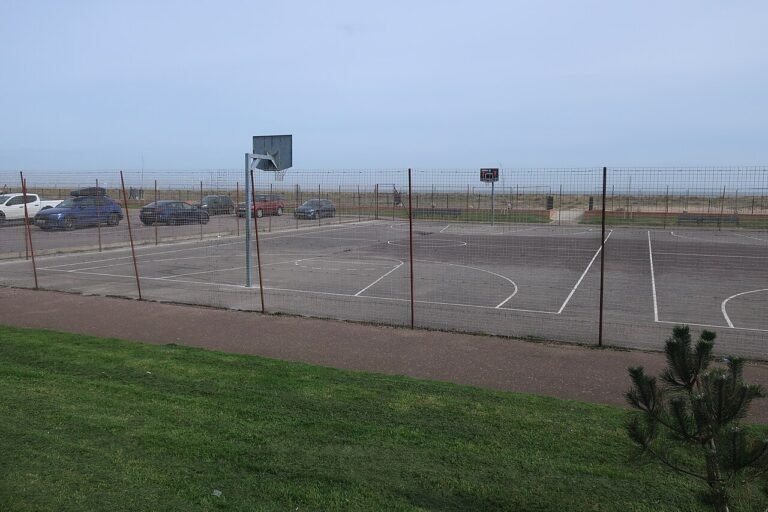
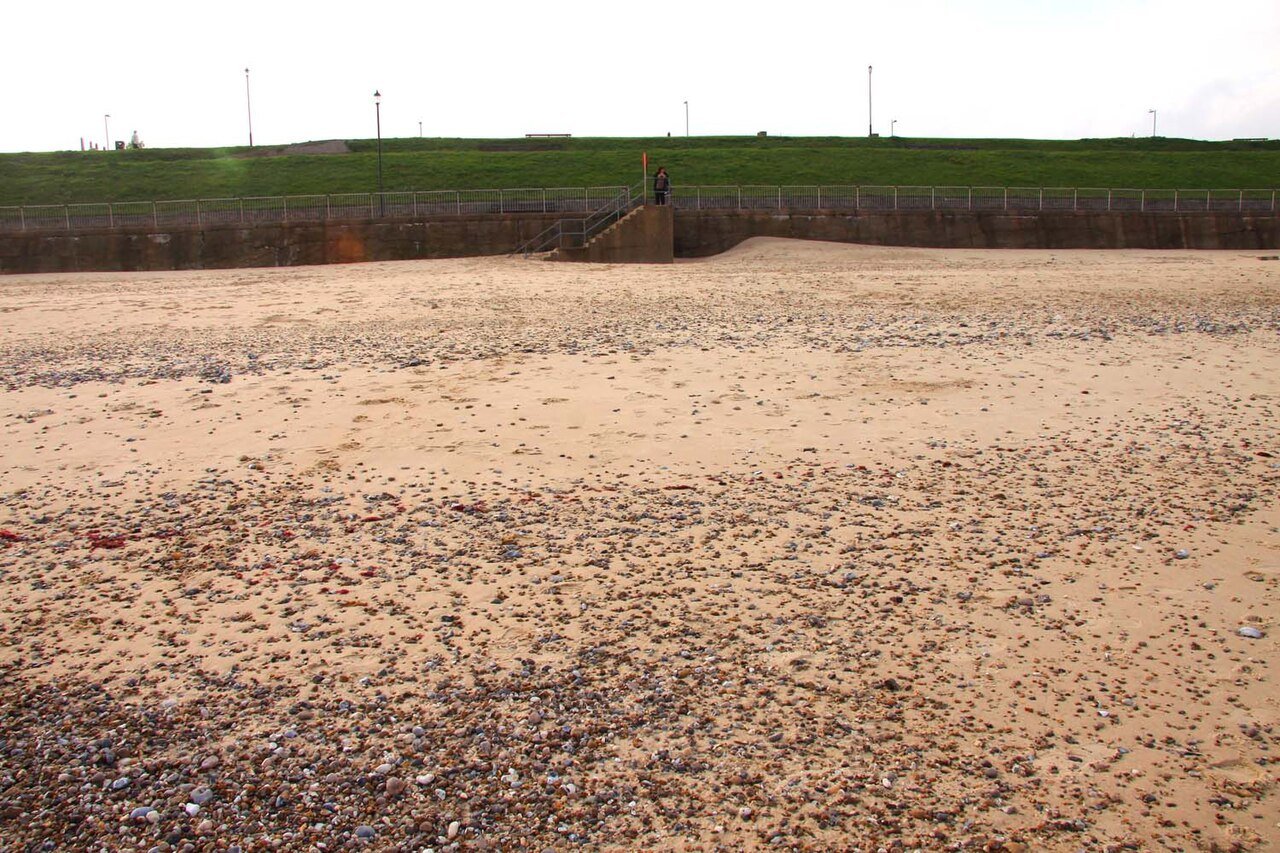
The beach is a wide stretch of sand below grassy cliffs, backed by a promenade. RNLI lifeguards patrolled it daily from 10am to 6pm between 23 May and 13 September in 2026, and Gorleston’s patrols start earlier in the year than Great Yarmouth’s. In TripAdvisor’s 2023 Travellers’ Choice awards, based on reviews, it was named the best beach in the UK and 12th in Europe. It is one of the entries in our guide to Norfolk’s beaches.
The Pavilion Theatre in Pier Gardens opened in 1901 as the borough council’s shelter hall for holidaymakers. Gorleston Pavilion Trust, a charity, now runs it with the bandstand, and both have summer programmes. The model yacht pond below the cliffs is still in use. The cliff-top path south towards Hopton-on-Sea is the obvious walk.
Gorleston FC have had no ground of their own since 2022, when they left Emerald Park, and play home games at the Wellesley in Great Yarmouth. The club has applied to Great Yarmouth Borough Council to build a new ground on the Recreation Ground in Church Lane, where it played until 1982.
Out of season the evenings are quiet. Anyone who wants somewhere busy after dark will be going over the river.
Flood risk
Check flood risk before you make an offer. The Environment Agency’s flood map shows Flood Zones 2 and 3 along the river and the harbour, while houses on the cliff-top and the higher roads behind it are generally outside them. Insurers price the flood zone into premiums and lenders ask about it. Checking an address at flood-map-for-planning.service.gov.uk is free and takes about a minute. Our Norfolk flood risk guide explains the zones.
Who should buy here
Gorleston suits people who need a hospital close by and cannot or will not pay north Norfolk coast prices: NHS staff at the James Paget, first-time buyers who want to live near the sea, families using the Good primaries and Ormiston Venture, and retired buyers who want the hospital, a GP and a bus route close by. See our guide to retiring in Norfolk for the alternatives. It is the wrong choice if you need a train most days, since every rail journey starts in Great Yarmouth, or if you want an active evening life all year. If you are also looking at Cromer or the rest of the north coast, remember that North Norfolk’s average price is about £83,000 above Great Yarmouth’s.
Common questions
Where in Norfolk is Gorleston? On the east coast, on the south bank of the River Yare where it meets the sea, opposite Great Yarmouth. It is about twenty-two miles east of Norwich and nine miles north of Lowestoft, both on the A47, and it is part of Great Yarmouth borough. Maps show it as either Gorleston or Gorleston-on-Sea.
What is Gorleston known for? Its beach, which TripAdvisor reviewers voted the best in the UK in 2023, and the James Paget University Hospital. It is also the larger residential side of the Great Yarmouth area, with its own High Street.
Is Gorleston-on-Sea a good place to live? It is for buyers who want the sea, a hospital and a sixth-form college in the same town at a median price of £190,000. It is a poor fit for daily rail commuters and for anyone who wants evenings out all year.
How far is Gorleston from Norwich? About twenty-two miles, typically thirty to thirty-five minutes by car off-peak on the A47. The X1 bus takes about an hour. Trains leave from Great Yarmouth, two miles north, and take about 33 minutes.
Is Gorleston beach good? It is wide and sandy, with RNLI lifeguards daily through the summer, and was named the UK’s best beach in TripAdvisor’s 2023 Travellers’ Choice awards. It has fewer amusements than Great Yarmouth’s front.
What is the difference between Gorleston and Great Yarmouth? They face each other across the harbour and share a borough council. Great Yarmouth has the station, the pleasure beach and most of the nightlife; Gorleston has the hospital, the sixth-form college and a quieter seafront.
Are there good schools in Gorleston? Most primaries are rated Good by Ofsted. Of the three 11 to 16 academies, Ormiston Venture was judged Outstanding in every area in March 2025, Cliff Park Ormiston Good in every area in April 2025, and Lynn Grove Good in 2023. East Norfolk Sixth Form College on Church Lane takes students to 18.
Is Gorleston affordable? By Norfolk coastal standards, yes. The median sale price in the 12 months to June 2026 was £190,000 and terraced houses had a median of £169,000 (HM Land Registry). Across Great Yarmouth borough the average first-time buyer paid £182,683 in July 2026, against £237,883 in North Norfolk.
Data sources
Gorleston sale prices are from HM Land Registry Price Paid Data: standard sales with Gorleston as the registered locality, 1 July 2025 to 30 June 2026. Borough and regional prices are from the UK House Price Index, July 2026 release. Population is from the 2021 Census built-up area figures. Schools are from Ofsted inspection reports. Council tax is from Great Yarmouth Borough Council’s 2026-27 budget announcement. Bus times are from the X1 timetable on bustimes.org, checked on 24 September 2026. Rail journey times are from Trainline’s published figures for Great Yarmouth to Norwich; drive times are typical times on the A47. Broadband is from thinkbroadband. Hospital and GP ratings are from the Care Quality Commission, and lifeguard dates from the RNLI. See our methodology page for how we work.
By Sarah Ellis, Norfolk Living Guide. Contributors write under editorial pseudonyms; see our about page for how the site is edited.
Last reviewed
Still weighing it up? See how Gorleston-on-Sea compares with Great Yarmouth on prices, schools, broadband and council tax, or answer five quick questions and get a shortlist of the Norfolk towns that fit you.
Planning a move to Norfolk?
Our guides to hiring the firms a move needs.
We earn no commission on these links. Paid placements are sold separately and always labelled. See our advertising and disclosure page.