All practical guides
Moving from London to Norfolk
The average London home cost £550,037 in July 2026 and the average Norfolk home £269,185. The move works best if you need to be in London two or three days a week at most.

The average home in London cost £550,037 in July 2026 and the average in Norfolk £269,185, a gap of about £281,000 (UK House Price Index). The move works best for people who need to be in London two or three days a week at most, and the town you choose should follow the railway line your office is on. This guide is for anyone who has looked at their rent or mortgage, started running the numbers, and wants to know what the rest of the move involves.
If you have not settled on a town yet, our five-question shortlist tool filters all 46 towns we cover by budget, trains and commute.
House prices and council tax
The average London flat sold for £424,013 in July 2026. The average detached house in Norfolk sold for £390,891, and the average semi for £258,126. The price of an average London flat would buy an average Norfolk detached house with about £33,000 to spare.
Prices vary across the county. Great Yarmouth is the cheapest district, at an average of £209,114, and Norwich averages £224,323. Broadland (£313,407) and South Norfolk (£311,587), the districts around Norwich, are the dearest. Over the year to July 2026, King’s Lynn and West Norfolk rose 3.0%, Breckland 0.6%, and North Norfolk fell 3.1%, while London fell 3.3%. Our district price report has the detail.
First-time buyers in South Norfolk paid an average of £256,600, against £466,851 in London. That is a difference of about £210,000 on a first home.
Council tax and broadband
Council tax is where Norfolk costs more than much of London. The average Band D bill for 2026-27 runs from £2,414.41 in Great Yarmouth to £2,503.43 in Norwich. In Wandsworth it is £1,028.21 and in Westminster £1,049.55, and Hackney’s is £2,060.30. A few outer boroughs charge more than any Norfolk district: Kingston upon Thames £2,609.20 and Croydon £2,599.91.
Broadband depends on the address. Thinkbroadband’s September 2026 figures put full fibre coverage at 84% of premises in Broadland, 78% in Norwich and 64% in North Norfolk. Check the exact property on Ofcom’s checker before you buy, and read our mobile signal guide if you will be working from home.
The commute
If you keep a London job, the commute decides everything else. Count how many days a week you will really be in the office.
| From | To | Train time | Annual season ticket |
|---|---|---|---|
| Diss | London Liverpool Street | Fastest 1hr 22min, most trains 1hr 30min to 1hr 38min | £9,976 |
| Norwich | London Liverpool Street | Fastest 1hr 39min, most trains 1hr 47min to 1hr 54min | £10,716 |
| King’s Lynn | London King’s Cross | Fastest 1hr 47min, most trains 1hr 51min to 1hr 58min | £7,644 |
| Downham Market | London King’s Cross | Fastest 1hr 31min, most trains 1hr 35min to 1hr 42min | £7,260 |
| Attleborough | Cambridge (direct) | Fastest 57min | £4,840 |
| Wymondham | Norwich | 13 to 16min | £1,036 |
Season tickets are standard class, station to station, for a year starting 1 October 2026. A Norwich season that includes a London Travelcard costs £12,076.
Greater Anglia runs 33 trains a weekday from Norwich to Liverpool Street, 32 of them direct. Great Northern runs from King’s Lynn and Downham Market to King’s Cross via Ely and Cambridge.
The season ticket is not the main cost of a daily commute. At an average of 1 hour 51 minutes each way, a Norwich commute is close to four hours a day on trains. If your employer wants you in four or five days a week, look at Cambridge or the Hertfordshire commuter belt instead of Norfolk.
Norfolk has no motorway. The A11 is dual carriageway from Norwich past Thetford to the M11 south of Cambridge. The A47 runs across the county from King’s Lynn through Norwich to Great Yarmouth, with single-carriageway stretches, and the A140 links Norwich with Ipswich. Central London is about 113 miles from Norwich, roughly two and a half hours by car with no traffic and longer on most days.
Moving to Norfolk this year?
Get the free Norfolk Relocation Pack: all 46 towns we cover on one table, on price, council tax, population, trains and distance to Norwich, plus a week-by-week move checklist. The download appears here as soon as you enter your email.
Unsubscribe any time.
What you gain
The obvious gain is space. The average London semi, at £724,106, costs more than the average detached house in any Norfolk district.

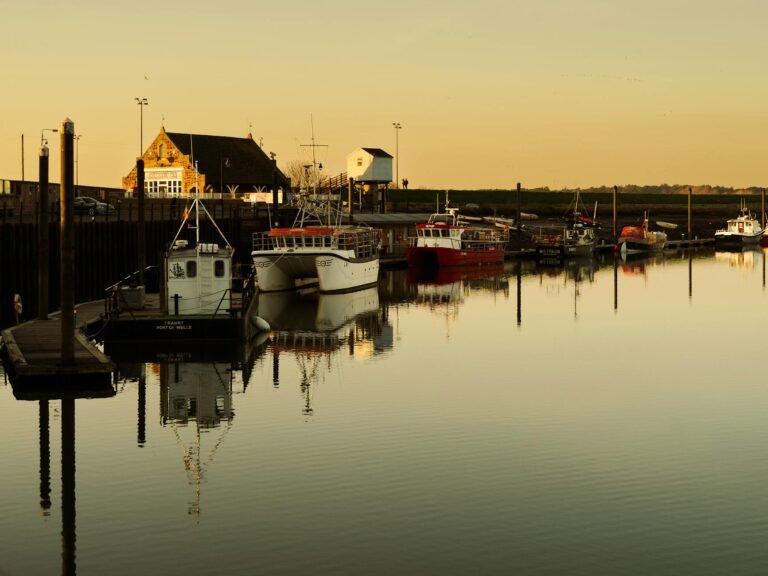
The coast is close. From Norwich, with no traffic, Cromer is about 38 minutes by car, Sea Palling 43, Wells-next-the-Sea 53 and Holkham 56. Brancaster, at the western end of the north coast, is just over an hour.
Norfolk has no grammar schools, so state secondary places go by each school’s criteria, usually ending in distance from home. Wymondham College, the state boarding school at Morley, was rated Outstanding by Ofsted in October 2023; teaching is free and boarding costs £5,650 a term. A senior day place at Norwich School, the largest independent school in the county, costs £25,218 a year. Our guide to boarding and state schools sets out the options.
What you lose
Culture thins out beyond Norwich. The city has the Theatre Royal, Norwich Arts Centre, the Forum, the Sainsbury Centre at the University of East Anglia and Norwich Castle Museum and Art Gallery. Beyond the city, evenings out mostly mean village halls, touring shows and the pub.
The job market is narrow. Norwich’s big employers include Aviva, the University of East Anglia and the Norfolk and Norwich University Hospital. Outside the city the choice narrows quickly. If both of you need professional jobs locally, that is the constraint most likely to decide against the move.
Buses between towns and villages are infrequent, and outside Norwich most journeys start in a car.
The county is much less diverse. At the 2021 Census, 88.9% of Norfolk residents gave their ethnic group as White British, against 73.5% in England and 36.8% in London. In Norwich the figure was 77.6%. For a family used to a London school, that is a noticeable change.
Norwich Airport flies to Amsterdam, Aberdeen and Jersey, plus holiday routes to places such as Alicante, Majorca, Faro and Tenerife; for anything further you change at Amsterdam or drive to Stansted, about 84 miles and an hour and 40 minutes with no traffic.
The county has three acute hospitals: the Norfolk and Norwich University Hospital at Colney on the south-west edge of Norwich, the Queen Elizabeth in King’s Lynn and the James Paget at Gorleston. Register with a GP as soon as you move; our GP registration guide explains how.
Towns on the London lines
Diss
Diss is the only Norfolk station outside Norwich with direct trains to Liverpool Street, every 30 minutes, the fastest taking 1 hour 22 minutes. The median sale price in the 12 months to June 2026 was £263,000 (HM Land Registry). It has a Friday market, the Mere, a six-acre lake in the middle of town, and a school to 18. It is the first place to look if you need Liverpool Street two or three days a week.
Norwich
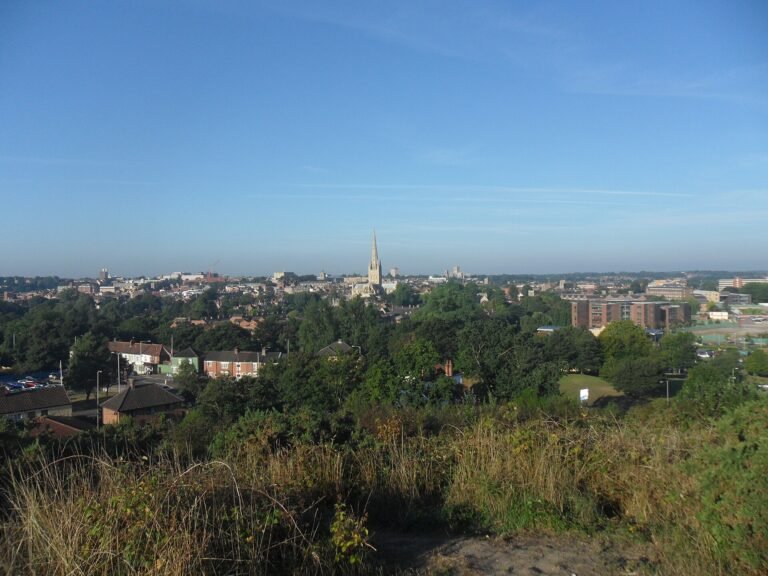
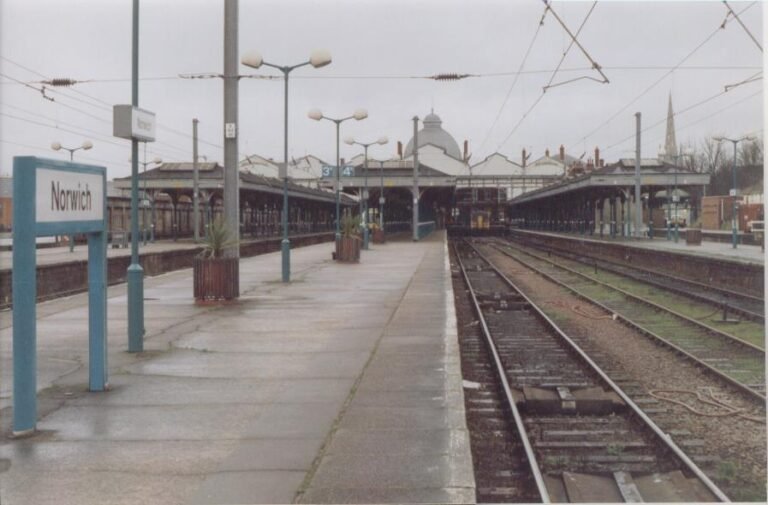
Norwich has the most trains and the most shops, work and entertainment, and it is the one place in Norfolk where you can live without a car. The city’s median sale price was £236,000 in the year to June 2026, pulled down by the number of flats. In the Golden Triangle (NR2) the median was £270,000. It suits hybrid workers who go in once or twice a week.
Wymondham
Wymondham is a market town with an abbey, trains to Norwich in 13 to 16 minutes, direct trains to Cambridge, and Wymondham College on its edge. The median sale price was £275,750. There is no direct London train; the quickest weekday journey, with one change, takes 2 hours 1 minute to King’s Cross.
Attleborough
Attleborough is on the line to Cambridge, not London: the fastest train to Norwich takes 20 minutes and to Cambridge 57 minutes, and London means a change, the quickest weekday journey taking 1 hour 54 minutes to King’s Cross. Its median sale price, £255,000, is about £20,000 below Wymondham’s.
King’s Lynn
King’s Lynn is a port town on the King’s Cross line, with the fastest train taking 1 hour 47 minutes and the same trains serving Cambridge. The median sale price was £190,000, and the north-west Norfolk coast is close.
Cheaper again, if you can accept longer or less frequent services, are Thetford and Downham Market. Thetford’s median was £218,750 and its fastest train to Cambridge takes 43 minutes, with London a change away. Downham Market, at £260,000, has direct trains to King’s Cross, the fastest taking 1 hour 31 minutes, and Watlington, a village station on the same line, is a stop further north.
For towns further from the railway, see our guide to Norfolk’s market towns.
How to decide
Start with the office. If you will need to be in London four or five days a week over the next two years, do not move to Norfolk. At two or three days, Diss, Norwich, King’s Lynn and Downham Market work. At one day or fewer, the whole county opens up.
Then work. If one of you needs a local professional job, that points to Norwich and the villages around it.
Then weekends. If yours are theatre, restaurants and exhibitions, you will want to be in or near Norwich. If they are walking, gardening and the coast, you can live almost anywhere in the county. Before you commit, check the broadband at the address and get your employer’s office policy in writing.
Frequently asked questions
Is moving from London to Norfolk worth it financially?
On house prices, yes: the average Norfolk home cost about £281,000 less than the average London home in July 2026. Council tax is higher than in most inner London boroughs, and an annual season from Norwich to London costs £10,716, so the case is strongest for people working hybrid or from home.
Which Norfolk town has the fastest train to London?
Diss, where the fastest direct train to Liverpool Street takes 1 hour 22 minutes and most take 1 hour 30 to 1 hour 38. An annual season costs £9,976. From Norwich the fastest takes 1 hour 39 minutes and most about 1 hour 50, with 33 trains a weekday.
Can you live in Norfolk without a car?
In Norwich, yes. Outside it, in practice no, because buses between towns and villages are infrequent.
What is the cheapest part of Norfolk to buy in?
Great Yarmouth district, where the average price was £209,114 in July 2026. Among the towns with fast trains, King’s Lynn had a median of £190,000 and Thetford £218,750. For a family house near Norwich, first-time buyers in South Norfolk paid an average of £256,600. Our guide to Norfolk’s most affordable places has more.
Planning a move to Norfolk?
Our guides to hiring the firms a move needs.
We earn no commission on these links. Paid placements are sold separately and always labelled. See our advertising and disclosure page.