Living in Wells-next-the-Sea: Full Area Guide for 2026
A picture-perfect North Norfolk harbour town with a working fishing fleet, famous beach huts, and a year-round community that thrives despite the tourist tide
The Quick Verdict
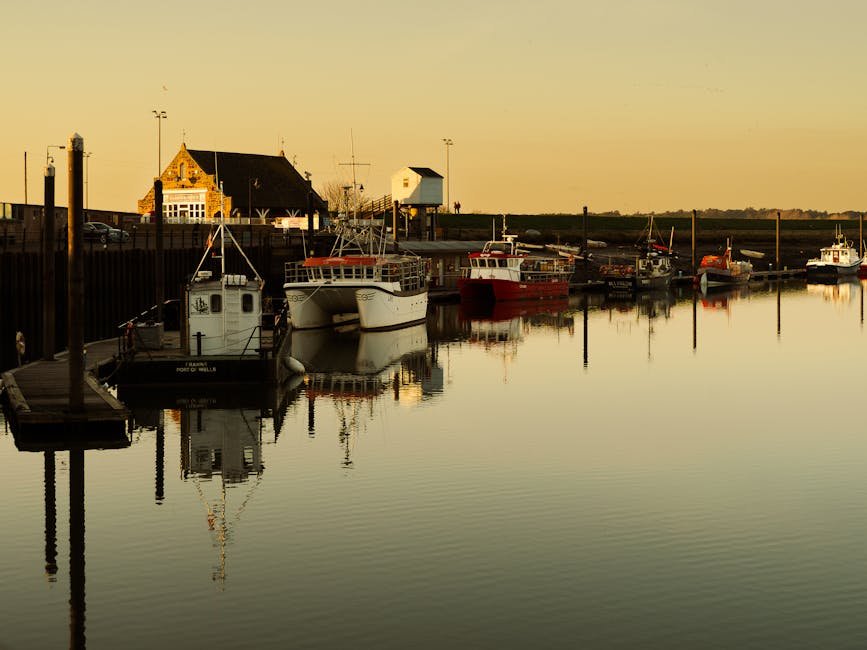
Wells-next-the-Sea is many people’s idea of the perfect English coastal town. The Georgian quayside, the narrow-gauge railway, the pine-fringed beach with its iconic colourful beach huts – it’s all undeniably beautiful. But living here full-time is a different proposition from visiting on a sunny bank holiday. Property prices have been inflated by second homes and holiday lets, which now account for a significant proportion of the housing stock. The year-round community is smaller than the town’s facilities might suggest, and winter can feel very quiet. That said, if you can afford it and embrace the seasonal rhythm, the quality of life is exceptional. The food scene punches well above its weight, the AONB coastline is on your doorstep, and the sense of community among permanent residents is genuinely strong – partly because they’ve had to fight to maintain it.
01 Property Prices & The Second Home Issue
Property in Wells is expensive by Norfolk standards. The average house price sits around £395,000, but this figure is distorted by the wide range – from £200,000 for a small cottage on a back street to well over £1 million for a period property on the Buttlands or with harbour views. Flint cottages in the town centre command strong premiums, particularly if they come with parking (a rare commodity in Wells).
The second homes issue is the elephant in every room. Estimates suggest that 30-40% of residential properties in Wells are second homes or holiday lets. This has pushed prices well beyond what local wages can support and hollowed out the year-round community. North Norfolk District Council has introduced higher council tax premiums on second homes (up to double the standard rate from April 2026), which may moderate demand slightly. Some new developments now carry principal residence conditions preventing use as holiday homes.
For first-time buyers and local families, the situation is challenging. Housing association and shared ownership options exist but are limited. The most realistic route to affordable property is to look slightly inland – Wighton, Warham, and Stiffkey offer nearby alternatives at lower prices, though they lack Wells’s amenities.
| Property Type | Avg Price (2026) | Notes |
|---|---|---|
| Cottage (2-bed) | £285,000 | High demand |
| Semi-detached | £320,000 | Limited stock |
| Detached | £475,000+ | Wide range |
| Period / Harbour | £650,000+ | Premium locations |
02 Schools & Education
Alderman Peel High School is the town’s secondary school, serving Wells and the surrounding area. It’s a small school with around 400 pupils, rated Good by Ofsted, and benefits from an exceptionally engaged parent community. The small size means excellent pastoral care but limited subject choices at GCSE and no on-site sixth form – students typically move to Fakenham Academy, Sheringham High, or Norwich for post-16 education.
Wells-next-the-Sea Primary School is rated Good and has a strong reputation. Class sizes are small, which most parents view positively. The school has strong links with local organisations including the harbour and lifeboat station, giving pupils unique experiential learning opportunities.
How Easy Is It to Get Around Wells?
Wells is remote by Norfolk standards. Norwich is approximately 45 minutes by car via the A148 and A1065, or about an hour in summer when the coast road is busy. King’s Lynn is about 35 minutes. There’s no mainline train station – the nearest are Sheringham (Bittern Line to Norwich, 30 minutes’ drive) and King’s Lynn (mainline to London, 35 minutes’ drive).
The Wells & Walsingham Light Railway is a seasonal heritage attraction rather than a transport link. Buses run to Fakenham, Sheringham, and Norwich via the Coasthopper and Sanders services, but the journey times make bus commuting impractical for daily travel.
The practical reality is that you need a car to live in Wells. This is a significant consideration, particularly in winter when the roads can be icy and the nearest hospital with A&E (Norfolk and Norwich) is almost an hour away.
04 Broadband & Connectivity
Broadband in Wells delivers 30-55 Mbps on standard fibre, which is below the county average. Full fibre is available to some properties through Openreach’s build programme but coverage remains patchy. County Broadband and other alternative providers are extending gigabit coverage in North Norfolk, so the situation is improving. For remote workers, it’s adequate for most tasks but check specific availability before committing to a property – speeds can vary significantly between streets.
Mobile coverage is reasonable in the town centre but drops off quickly along the coast and in the marshes. This is the AONB coastline, so new mast installations face planning resistance.
What Is Day-to-Day Life Like in Wells?
Wells punches well above its weight for a town of 2,200 people. The food scene is outstanding – you can buy crab and lobster from the fishermen at the quay, shop at excellent independent food shops along Staithe Street, and eat at restaurants that would be notable in Norwich. The Globe Inn, the Crown Hotel, and Bang in Wells are local favourites. French’s fish and chip shop regularly features in national best-of lists.
For everyday shopping, there’s a Co-op, a butcher, a greengrocer, and the usual collection of coastal town shops. A car is needed for larger supermarket trips – Fakenham (10 miles) has a Morrisons and Aldi. The Buttlands, a tree-lined green surrounded by Georgian houses, serves as the town’s social centre and is genuinely one of the most beautiful village greens in England.
Healthcare is provided by the Wells Health Centre on Mill Road. The nearest hospital is the Queen Elizabeth in King’s Lynn (35 minutes) or the Norfolk and Norwich (50 minutes). For emergencies, the ambulance response time to Wells is longer than the county average, which is worth factoring in if health considerations are a priority.
The cultural calendar is rich – the Wells Carnival in July-August, the Poetry Festival, regular live music at the pubs, and the harbourside events throughout summer. The Wells Maltings arts centre hosts cinema, exhibitions, and community events year-round. Holkham Hall and its vast estate is on the doorstep, offering one of England’s finest beaches, a deer park, and regular events. The Norfolk Coast Path passes through town for walkers, and the birdwatching along the salt marshes is world-class.
06 Pros & Cons
What’s Good
Stunningly beautiful harbour town setting
Outstanding food scene and independent shops
AONB coastline, Holkham Beach, and wildlife on the doorstep
Strong year-round community among permanent residents
Good schools with small class sizes
Rich cultural and events calendar
What’s Not
High property prices driven by second homes
Very remote – 45+ minutes to Norwich
No train station, limited public transport
Seasonal tourist congestion (parking, traffic)
Below-average broadband speeds
Long ambulance response times
07 Local Knowledge
Parking: On-street parking in Wells is a battle, especially in summer. If you’re buying, prioritise properties with off-street parking – it significantly affects both quality of life and resale value.
Flood risk: Properties close to the quay and harbour are in flood risk zones. Check the Environment Agency maps carefully and factor in insurance costs. The 2013 storm surge affected several harbourside properties.
Winter reality: Wells in winter is beautiful but very different from summer. Some shops and restaurants close or reduce hours from November to March. The permanent community is tight-knit and welcoming, but you need to make an effort to build connections.
Beach huts: The famous colourful beach huts sell for extraordinary prices when they come to market – some have exceeded £100,000. They have no services (no water, electricity, or sanitation). Only in Norfolk.
08 Our Scores
Planning a Move to Wells?
Download our free Moving to Norfolk Checklist. If you’re comparing North Norfolk coastal towns, see our Cromer vs Sheringham comparison or browse all our area guides.