Norfolk Transport Guide: Getting Around the County in 2026
Trains, buses, cycling and the A47 – an honest guide to how Norfolk’s transport actually works (and where it doesn’t).
Norfolk’s transport infrastructure is a frequent source of frustration for residents and a genuine factor in choosing where to live. The county’s size, rural character and distance from major motorways mean that getting around requires planning. Here’s what you need to know about every mode of transport available.
Trains
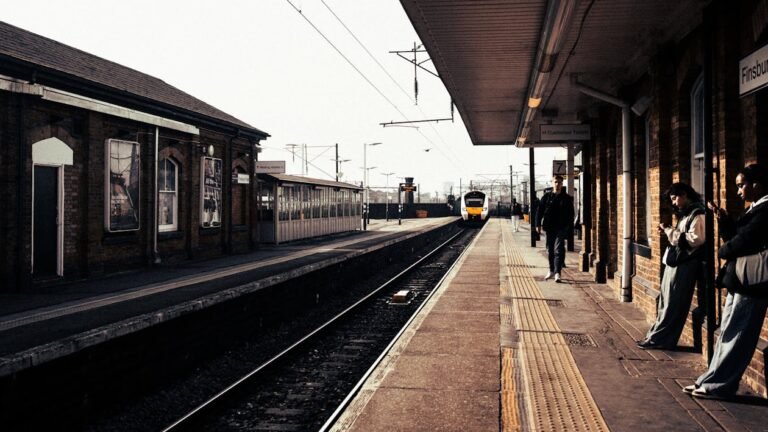
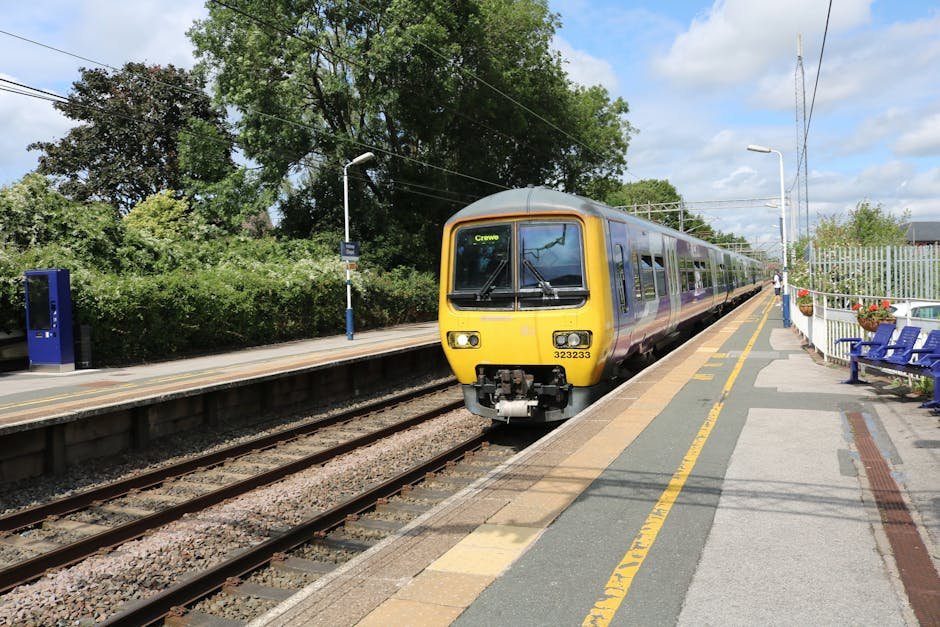
Greater Anglia operates Norfolk’s rail network. The main line runs from Norwich to London Liverpool Street (approximately 1hr 50min, roughly hourly). King’s Lynn connects to London King’s Cross via Cambridge (about 1hr 45min). A local line runs from Norwich through Wymondham, Attleborough and Thetford to Cambridge and beyond. The Bittern Line from Norwich to Sheringham via Cromer is one of the most scenic rail journeys in England.
| Route | Journey Time | Frequency | Season Ticket (Annual) |
|---|---|---|---|
| Norwich → London Liverpool St | 1hr 50min | Hourly | ~£11,500 |
| King’s Lynn → London King’s Cross | 1hr 45min | Hourly | ~£8,900 |
| Wymondham → Norwich | 12min | Hourly | ~£1,800 |
| Diss → London Liverpool St | 1hr 30min | Hourly | ~£9,200 |
| Norwich → Sheringham | 55min | Hourly | ~£3,100 |
| Norwich → Great Yarmouth | 30min | Every 30min | ~£2,800 |
Book advance tickets through Trainline for the cheapest fares, or buy a season ticket direct from Greater Anglia if you commute regularly.
Buses
First Eastern Counties runs most Norfolk bus services. Within Norwich, frequencies are reasonable – the main routes run every 10–15 minutes during the day. Outside the city, services thin dramatically. The Coasthopper along the north Norfolk coast is excellent in summer but reduced in winter. Many rural villages have two or three buses per day, or none at weekends. If you’re relying on public transport, stick to Norwich or towns with rail stations. The Konectbus park-and-ride services around Norwich are well-used and affordable.
Driving
Norfolk has no motorways. The A11 (Norwich to London via Thetford) is fully dualled and the fastest route south. The A47 (Great Yarmouth to King’s Lynn via Norwich) is the main east-west route and partially single carriageway – the Acle Straight and sections near Dereham are notorious bottlenecks, though dualling work is underway between Blofield and North Burlingham. The A140 (Norwich to Cromer) is busy and largely single carriageway.
Breakdown cover from the RAC or AA is worth having for rural Norfolk roads. Expect agricultural vehicles on almost every B-road, particularly during harvest season. Journey times are consistently longer than sat nav estimates suggest. Norwich itself has a reasonable inner ring road system and five park-and-ride sites. Parking in the city centre costs around £8–£12 per day in council car parks.
Cycling
Norfolk’s flat terrain makes cycling practical, and the county has several excellent dedicated routes. Marriott’s Way runs 26 miles from Norwich to Aylsham along a former railway line – perfect for commuting or leisure. The Bure Valley Path, Weaver’s Way, and numerous quiet lanes make Norfolk a genuine cycling destination. The Beryl bike-share scheme operates in Norwich with docking stations across the city. Wind is the main adversary – Norfolk is exposed, and headwinds can be significant.
Norwich Airport
Norwich Airport is small but useful, with flights to Amsterdam Schiphol (KLM), Edinburgh, Aberdeen and seasonal holiday destinations. The Amsterdam connection is the most valuable – Schiphol’s hub gives you access to the world. The airport is 4 miles north of the city centre with free short-stay parking. For a wider range of flights, Stansted is about 2 hours by car and well-connected to the A11.