
Norfolk Broadband Guide: What Speeds Can You Actually Get?
Broadband in Norfolk is a tale of two counties. In Norwich you can get gigabit fibre that rivals any city in the UK. Drive twenty minutes into the countryside and you might be limping along on copper with speeds that struggle to stream a film. If you’re planning a move to Norfolk, especially if you work from home, understanding the broadband picture before you commit could save you a serious headache.
The Norfolk Broadband Landscape
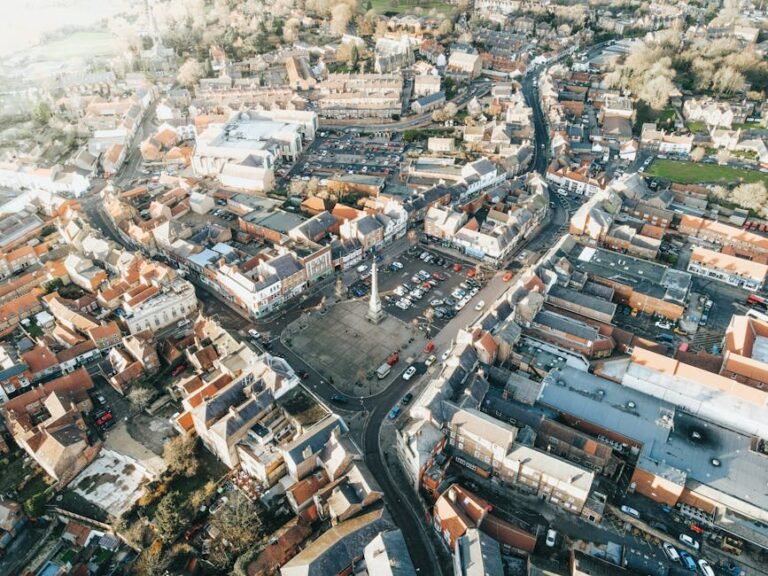
Norfolk has made real progress over the past few years, but coverage is still patchy and the gap between urban and rural connectivity is stark. Here’s how the picture breaks down.
In Norwich and the larger market towns, BT’s Openreach network has been rolling out FTTP (fibre to the premises) at pace, and CityFibre has built an independent full-fibre network covering much of the city. Residents in these areas can genuinely access 900Mbps download speeds.
For rural Norfolk, the most significant development in recent years has been County Broadband. This Essex-based provider has been aggressively expanding its FTTP network across villages that the big operators have historically ignored. They now cover large parts of north and west Norfolk, with the rollout continuing.
The government’s Project Gigabit programme is also funding upgrades in harder-to-reach communities across Norfolk. This has accelerated timelines for villages that would otherwise have waited years for decent connectivity.
That said, plenty of villages are still served only by aging copper ADSL or FTTC (fibre to the cabinet, which still uses copper for the final stretch). In the worst cases, properties sitting far from their cabinet can see real-world speeds of 10 to 15Mbps. Usable, but limiting if you’re working from home full time or have a family with multiple devices.
Town-by-Town Speed Guide
The table below gives a realistic picture of what’s available in Norfolk’s main towns. “Typical speed” reflects what most customers actually receive rather than headline figures.
| Town | Best Available | Provider(s) | Typical Speed |
|---|---|---|---|
| Norwich | FTTP | BT / CityFibre | 900Mbps |
| King’s Lynn | FTTC / FTTP (partial) | BT | 80 to 300Mbps |
| Wymondham | FTTP | BT / County Broadband | 900Mbps |
| Diss | FTTP (partial) | BT | 300 to 900Mbps |
| Cromer | FTTC mostly | BT | 40 to 80Mbps |
| Holt | FTTP arriving | County Broadband | Up to 900Mbps |
| North Walsham | FTTC mostly | BT | 40 to 80Mbps |
| Rural villages | Variable | Various / Starlink | 10 to 40Mbps (worst cases) |
Speeds correct as of early 2026. Availability varies street by street. Always check your specific postcode before signing a contract.
Providers in Norfolk
BT (via Openreach)
The widest coverage in Norfolk by some distance. If you’re in a town or large village, BT’s Openreach infrastructure is almost certainly what your broadband runs over, regardless of which ISP you choose. BT’s own retail packages are a reliable default, though you can use many other ISPs on the same network. FTTP rollout is ongoing across the county.
County Broadband
The provider making the biggest difference in rural Norfolk right now. County Broadband builds its own full-fibre network in areas the big operators won’t touch, including villages across north Norfolk, the Broads area, and the Norfolk/Suffolk border. If you’re moving somewhere rural, check their coverage map first. Their installation and support reputation is generally solid.
CityFibre
CityFibre has built an independent gigabit network across much of Norwich, competing directly with Openreach. You access it through ISPs like Vodafone and Zen Internet rather than directly through CityFibre. If you’re moving to Norwich, it’s worth comparing CityFibre-based deals alongside BT, as pricing can be competitive.
Sky and Vodafone
Sky broadband and Vodafone are worth considering wherever Openreach or CityFibre FTTP is available. Both run competitive packages on the underlying infrastructure. Sky in particular is strong on customer service scores and bundle pricing if you also want TV. Neither covers gaps that BT’s network doesn’t already reach.
Starlink
For genuinely remote properties where no decent fixed-line option exists, Starlink satellite broadband has been a genuine game changer. Typical speeds of 50 to 200Mbps with low enough latency for video calls. The hardware cost is significant (around £300 upfront) and monthly fees are higher than fixed-line, but if you’re choosing between Starlink and a 10Mbps copper connection for remote work, it’s not a difficult decision.
Check Before You Buy
Estate agent listings will not tell you your actual broadband speed. Neither will the landlord. You need to check yourself, and you need to do it before you sign anything.
- Check thinkbroadband.com with the exact postcode. This gives you a clear picture of what technology is available at the address and realistic speed estimates. Don’t use the ISP’s own checker as a sole source.
- Check County Broadband’s rollout map at countybroadband.co.uk. If FTTP isn’t there yet but is listed as “coming soon,” find out the actual estimated date. “Planned” and “coming soon” can mean anything from three months to three years.
- Ask current or nearby residents directly. Local Facebook groups for villages (there’s one for almost every Norfolk community) are excellent for getting honest speed reports from real addresses.
- Check mobile signal at the property. Even with poor fixed broadband, strong 4G or 5G signal gives you a usable backup. EE tends to have the best rural coverage in Norfolk. Check Ofcom’s checker and, ideally, test in person at the property.
- For remote workers specifically: check upload speed, not just download. Many FTTC connections have asymmetric speeds where upload is far slower. This matters for video calls.
Remote Workers: What You Actually Need
If you’re moving to Norfolk to work remotely, broadband is not something to compromise on. Here’s a realistic breakdown of what different work patterns actually require. For more on making remote work function in Norfolk, see our guide to the best locations for Norfolk remote workers.
Minimum realistic requirements:
- Video calls (one person): 10Mbps download, 5Mbps upload
- HD video calls with screen share: 15 to 20Mbps upload
- Multiple people working from home simultaneously: 50Mbps+ download, 20Mbps+ upload
- Large file uploads (design, video, development): 50Mbps+ upload, and this is where FTTC falls apart
A basic FTTC connection might give you 70Mbps down but only 15 to 20Mbps up. Workable for most, but if two people are on video calls at once, you will notice.
Backup connectivity is worth planning for. Even with fast broadband, outages happen. A 4G dongle or SIM-only data plan as a backup costs a few pounds a month and can cover you during occasional downtime. In Norfolk, EE or Three tend to offer the best rural 4G coverage. If you’re in a village with genuinely poor fixed broadband, consider a 5G home router as your primary connection rather than as a backup.
It’s also worth knowing that Norfolk has a growing number of co-working spaces with reliable fast broadband, particularly in Norwich. If your home connection is unreliable on a given day, having somewhere you can go as a fallback is worth identifying when you first move. Transport links between towns are covered in our Norfolk transport guide.
Bottom line: Norwich and most market towns now have access to genuinely fast broadband. Rural Norfolk is improving, with County Broadband filling gaps the big operators won’t. But if you’re moving to a village, check your specific address before you commit. The difference between a property that can get FTTP and one that’s stuck on copper can be the difference between a home that works for remote working and one that doesn’t. Spend ten minutes on thinkbroadband before you spend money on a solicitor.