
Is Norfolk a Good Place to Live? An Honest Look
Norfolk divides opinion. Some people move here and never look back. Others last eighteen months before heading back to a city with a direct rail line and a decent A&E. This guide does not try to sell you Norfolk. It tries to give you an honest picture of what life here actually looks like, so you can make a sensible decision.
The Good
Property prices are genuinely more affordable than most of the South East. The average house price across Norfolk sits around £290,000, but that figure hides a lot of variation. You can still buy a three-bedroom terraced house in Norwich for under £250,000, and in market towns like Dereham or Fakenham you will find family homes for £200,000 to £220,000. That is a different world from Suffolk’s south coast or anywhere within an hour of Cambridge. For people relocating from London or the Home Counties, the property stretch goes further here than almost anywhere else in the eastern region.
The coastline is not just pretty, it is genuinely exceptional. The north Norfolk coast between Cromer and Holkham is Area of Outstanding Natural Beauty designated, and it earns that status. Wide sand and shingle beaches, seal colonies at Blakeney Point, the salt marshes around Brancaster, and a string of small towns like Holt and Wells-next-the-Sea that have managed to stay interesting without being entirely overrun. If you are someone who finds real value in being able to walk a quiet beach in February, Norfolk delivers that consistently.
Norwich is a UNESCO City of Literature and a genuine small city with cultural weight. The University of East Anglia has produced more Booker Prize winners than most countries. There is a proper theatre (the Theatre Royal), a strong independent music scene, the Forum, the Castle Museum, and a food and drink scene that has improved considerably over the last decade. Norwich is not London. It is not trying to be. But it is a city with actual culture, and for people who want access to that without city prices, it is a reasonable proposition. Read the Norwich area guide.
Community life is real here in a way that has largely disappeared from commuter-belt England. Village halls still function. Local events get attended. People know their neighbours. This is partly a product of relative isolation, partly a slower pace of life, and partly a cultural trait that Norfolk has held onto. It is not universal, and Norwich is a city like any other, but in the market towns and villages the sense of community is genuine rather than performative.
The Norfolk Broads are a 24-hour boat hire away from much of the county. The UK’s largest protected wetland, with 125 miles of lock-free waterways, is not a tourist attraction in the brochure sense. People who live here use it. Fishing, sailing, kayaking, or just hiring a day boat from Wroxham and drifting past reed beds for a few hours. For families particularly, it adds a leisure dimension that is hard to put a price on.
Schools perform well, particularly at primary level. Norfolk has some strong state primaries and a handful of high-performing secondary schools. The most affordable areas do not always coincide with the best Ofsted results, so it is worth checking individual school performance before committing to a specific postcode, but overall the county is not a poor performer by national standards.
The Not So Good
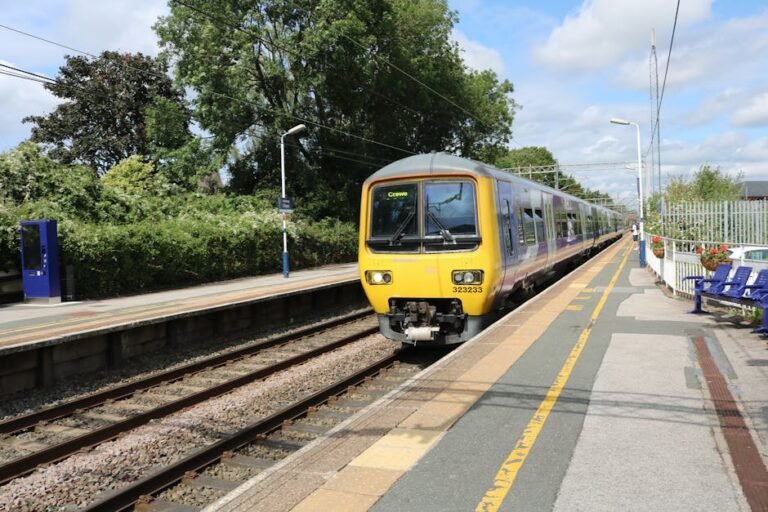
Transport infrastructure is the single biggest practical problem with living in Norfolk. The nearest motorway is the M11, roughly 90 minutes from Norwich by road. The A11 and A47 are the main arterial routes and both are single-carriageway for long sections. The Norwich to London Liverpool Street rail journey takes around two hours on a good service, which is manageable for occasional trips but not for regular commuting. Trains to the north and west of the county are sparse or nonexistent. If you move to the coastal strip, you will be driving almost everywhere.
NHS access is stretched, and dental NHS provision is genuinely difficult to find. Norfolk and Norwich University Hospital handles a large catchment area. Waiting times for non-urgent outpatient appointments are long. GP surgeries in rural areas are under significant pressure. NHS dentists accepting new patients are scarce across most of the county. This is not unique to Norfolk but it is worth stating clearly: if you or your family have regular healthcare needs, factor in the likely reliance on private provision for dentistry at minimum.
The job market outside Norwich is limited. Norwich has a reasonable employment base in financial services, retail, education, healthcare, and some tech. Outside the city, options narrow considerably. Agriculture, tourism, hospitality, and some light manufacturing account for much of rural Norfolk’s employment. If you are moving without a remote-working income or without a job already secured in Norwich, do your research. Salaries in Norfolk also tend to sit below the national average, which partially offsets the property price advantage.
Car dependency is total in most of the county. Bus services between villages and market towns are infrequent and often unreliable. The Norfolk coast has no rail link at all. If you are car-free by choice or necessity, your options for where to live in Norfolk reduce to Norwich and possibly one or two larger market towns with reasonable bus routes. For everyone else, plan for two-car households if you have a partner and any kind of separate social or work life.
Rural isolation in winter is a genuine factor, not an exaggeration. North Norfolk in January is beautiful and very quiet. Quiet can tip into isolated if you are not prepared for it. Some coastal villages lose a significant proportion of their population when second-home owners leave after summer. Village shops close, pubs reduce hours. People who move from cities expecting the same pace of social life they had before often find the adjustment harder than anticipated. This is not a reason not to move, but it is worth being honest about.
Broadband and mobile coverage have significant gaps. Full-fibre broadband has reached many parts of Norfolk through the Openreach and Norfolk County Council rollout programme, but coverage is patchy in rural areas. Some villages and hamlets still have speeds that make video calling unreliable. If you are planning to work from home and need reliable connectivity, check the specific postcode before you commit to a property. Do not rely on an estate agent’s description of “good broadband”.
Who Norfolk Suits Best
Retirees and near-retirees. Norfolk is one of the most popular destinations in England for people retiring from London and the South East. The financial logic is straightforward: sell a modest London property, buy something considerably larger here, and have capital left over. The pace of life suits people who are done with commuting. The coast, the countryside, and the community structures work well for this demographic. Healthcare access needs factoring in, but many retirees find the trade-offs acceptable.
Remote workers with a stable income. If your job is fully remote and your employer does not care where you work from, Norfolk makes a compelling case. You get more house, access to countryside, a slower pace, and (if you choose Norwich) still a functional city around you. The broadband caveat applies: confirm connectivity before buying, especially if you are targeting the coastal villages.
Families wanting space and lower cost of living. Children who grow up in Norfolk often cite the freedom they had as something they valued. Gardens are affordable. Schools are generally decent. Outdoor activities are accessible without expensive membership fees or long drives. Norwich has enough cultural and retail provision to meet most family needs. The lifestyle trade-offs are real but for families prioritising space and community over career proximity, Norfolk works.
Lifestyle downsizers from London and the South East. People in their 40s and 50s who have built equity and want to recalibrate what their daily life looks like. Norfolk allows you to step off the escalator without necessarily stepping off entirely. Norwich has enough going on. The county has enough variety. And the financial headroom that comes from a lower cost base is genuinely life-changing for some people.
Who Might Struggle
Career climbers who need proximity to London. If your industry is based in London and regular in-person presence matters to your progression, Norfolk does not work as a base. The two-hour train is fine occasionally. It is not practical three days a week. People who try to maintain a London career from North Norfolk tend to find themselves spending significant time and money on travel, or find that their visibility at work suffers. Be honest with yourself about what your job actually requires.
Teenagers who want a social life and nightlife. Norwich has what Norwich has. Outside Norwich, there is almost nothing for teenagers in the conventional sense. This is a genuine quality of life issue for families with older children, and one that often gets glossed over in relocation conversations. Teenagers who grow up in small Norfolk market towns are either very self-sufficient or very bored. Worth a direct conversation before you move the family.
Anyone without access to a car. This has been said above but it bears repeating. Car-free living in Norfolk outside Norwich is not a minor inconvenience. It is a fundamental restriction on where you can go, what you can do, and what work you can access. If you do not drive and do not plan to, limit your search to Norwich and check specific bus routes carefully before committing.
Quick Facts
| Average property price | ~£290,000 |
| Population | ~915,000 |
| Council tax (Band D, Norwich) | ~£2,100 per year |
| Nearest motorway | M11, approx. 90 mins from Norwich |
| London Liverpool Street by train | ~2 hours (Norwich) |
| Major employers | NHS, UEA, Aviva, Jarrold, agriculture, tourism |
The Bottom Line
Norfolk is a genuinely good place to live if your life is structured in a way that suits it. The people who move here and thrive tend to have a degree of financial stability, flexible or remote work, and a realistic picture of what they are trading away as well as what they are gaining. The people who struggle are usually those who moved for the idea of Norfolk rather than the reality of it.
If you want more space, a slower pace, an exceptional natural environment, and a county with genuine character, Norfolk is worth serious consideration. If you need a motorway, a thriving job market, and an NHS that is not under significant strain, look elsewhere or at least be clear-eyed about what you are accepting. Browse the area guides to get a feel for specific towns and villages, and check the most affordable places in Norfolk if budget is a priority.