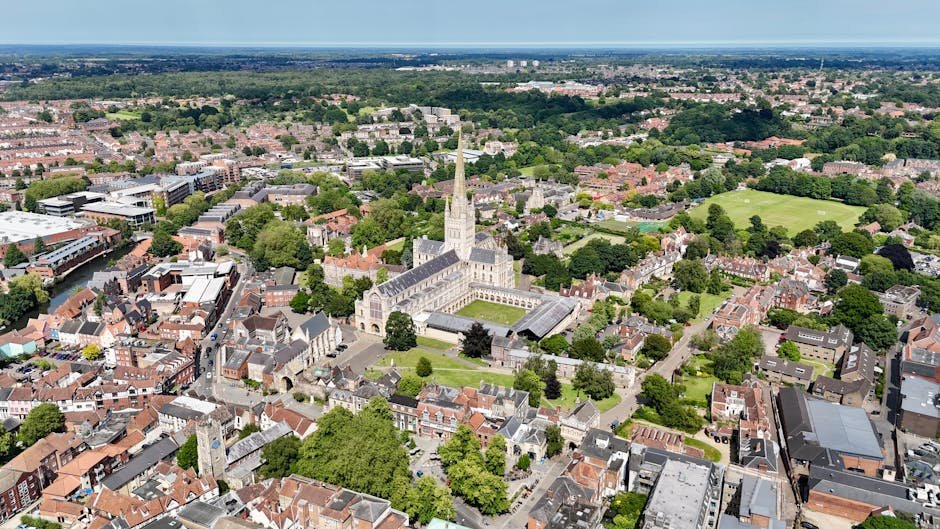
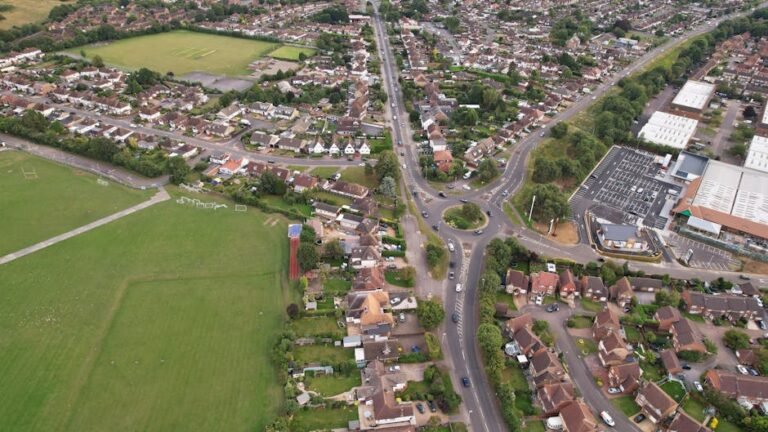
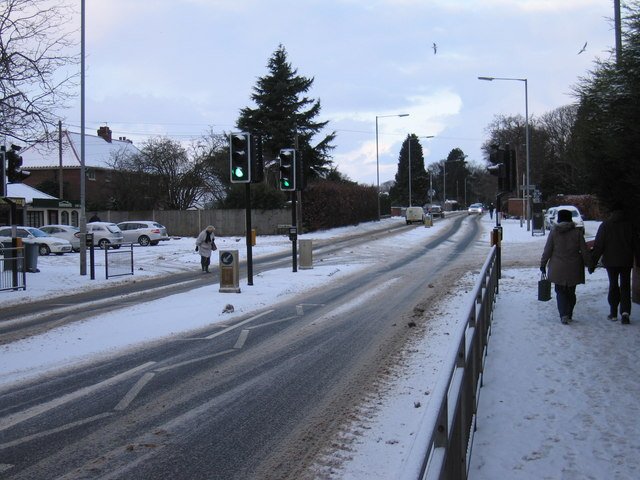
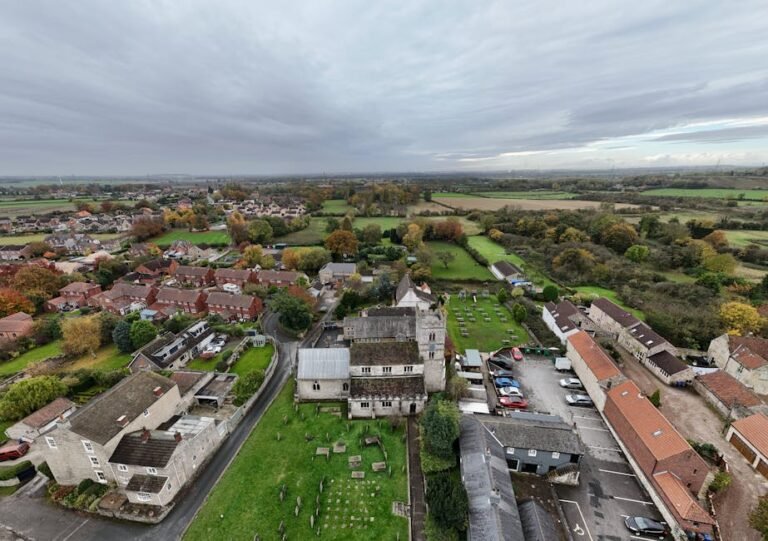
Norfolk’s vibrant cathedral city – a UNESCO City of Literature with a thriving cultural scene, excellent schools, a major university, and property prices that put many UK cities to shame.
Cathedral City
UNESCO Literature
University City
Cultural Hub
Quick Verdict
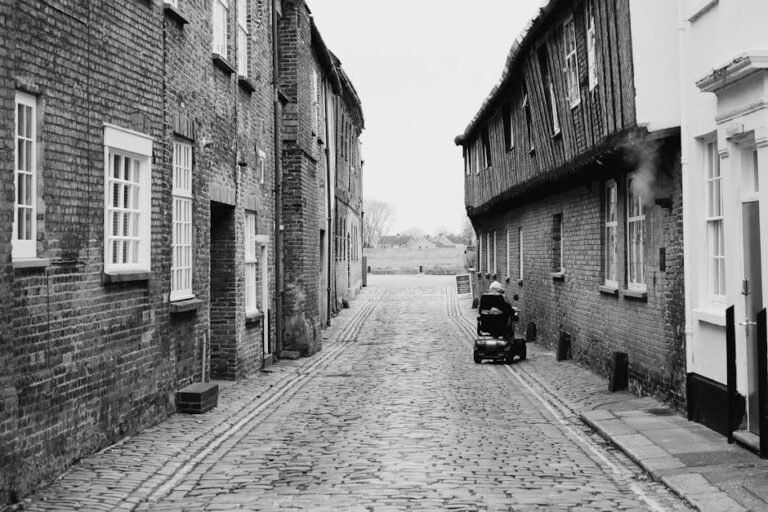
Norwich is Norfolk’s beating heart and one of England’s most underrated cities. A fine medieval cathedral, a Norman castle, over 30 medieval churches, and a network of charming lanes are wrapped around a modern, creative city with independent shops, excellent restaurants, and a genuine cultural identity. The University of East Anglia brings academic energy and world-class facilities (including the Sainsbury Centre for Visual Arts), while the Norfolk and Norwich University Hospital provides outstanding healthcare. Property prices remain remarkably affordable for a city of this quality, and the range of neighbourhoods – from the bohemian Golden Triangle to family-friendly Eaton and urban-cool Magdalen Street – means there’s something for everyone. If you want city living with character, community, and value, Norwich is hard to beat anywhere in the UK.
01
What Are Property Prices Like in Norwich?
Norwich’s property market offers outstanding value compared to other English cities with comparable culture, heritage, and amenities. Average prices are around half those of Cambridge and a fraction of London, yet the city delivers a quality of life that rivals both. The market is diverse, ranging from period townhouses in the city centre to Victorian terraces in the Golden Triangle, Edwardian villas in Eaton, and modern developments along the river and in the suburbs.
The Golden Triangle (between Newmarket Road, Unthank Road, and Earlham Road) is Norwich’s most sought-after inner-city neighbourhood – a bohemian mix of cafés, delis, independent shops, and characterful Victorian houses. Eaton and Cringleford to the south offer leafy, family-friendly suburbs with excellent schools. The NR1 postcode (city centre and riverside) has seen massive regeneration with apartment developments. Meanwhile, areas like Thorpe Hamlet, Mile Cross, and Heartsease offer more affordable entry points with ongoing regeneration improving the picture.
| Area / Type | Avg. Price | Notes |
|---|
| Golden Triangle | £350,000–£500,000 | Victorian terraces, most sought-after |
| Eaton / Cringleford | £400,000–£600,000 | Family suburbs, top schools |
| City Centre Flat | £180,000–£280,000 | Riverside and Lanes apartments |
| Thorpe Hamlet / NR1 | £250,000–£350,000 | Emerging area near station |
| Outer Suburbs | £220,000–£320,000 | Mile Cross, Heartsease, Bowthorpe |
02
What Are the Schools Like in Norwich?
Norwich offers the widest range of educational options in Norfolk. The state sector includes consistently high-performing schools such as Sewell Park Academy, Thorpe St Andrew School, and Open Academy. City of Norwich School (CNS) is a popular secondary with a strong sixth form. For primary-age children, Avenue Junior, Colman Infant, and Eaton Primary are among many well-regarded options across different neighbourhoods.
The independent sector is well-represented: Norwich School (cathedral close setting, co-ed 4-18), Norwich High School for Girls, Langley School, and Town Close School (preparatory). Wymondham College, the outstanding state boarding school, is just 15 minutes away and draws many city families.
Higher education centres on the University of East Anglia (UEA), known for creative writing, environmental sciences, and medicine. Norwich University of the Arts (NUA) adds strength in design, art, and media. City College Norwich provides vocational and further education. This educational ecosystem creates a knowledge-rich environment that permeates the city’s culture.
03
How Easy Is It to Commute From Norwich?
Norwich is the transport hub for the entire county. Norwich railway station provides Greater Anglia services to London Liverpool Street (approximately 1 hour 50 minutes), Cambridge (1 hour 20 minutes), and connections to the wider national network. The Bittern Line heads north to Cromer and Sheringham, while services also run to Great Yarmouth and Lowestoft.
By road, the A11 connects to Thetford, Cambridge, and London. The A47 runs east-west, linking to Great Yarmouth and King’s Lynn (and onwards to the Midlands via Peterborough). The Northern Distributor Road (NDR/Broadland Northway) has significantly improved traffic flow around the northern suburbs.
Norwich Airport offers flights to a limited number of UK and European destinations, plus charter and offshore services. Within the city, cycling infrastructure has improved markedly – the pedalway network makes cycle commuting viable for many residents, and the compact city centre is highly walkable. Bus services (First Eastern Counties) cover the city and suburbs comprehensively, with Park and Ride sites reducing city centre congestion.
04
How Good Is Broadband in Norwich?
As Norfolk’s main city, Norwich has the best broadband coverage in the county. Full fibre (FTTP) is available across large swathes of the city, with providers including BT, CityFibre, and Virgin Media offering gigabit-capable connections. The city centre and major residential areas typically have excellent connectivity, with speeds far exceeding what’s available in most Norfolk towns.
Mobile coverage is comprehensive – 4G is ubiquitous and 5G has been rolling out in the city centre and key areas. For remote workers, digital nomads, and tech businesses, Norwich offers connectivity that’s fully competitive with larger UK cities. Numerous co-working spaces have opened in the city centre, adding professional work environments for those who want to escape the home office occasionally.
05
What Is Day-to-Day Life Like in Norwich?
Norwich is a genuine city with comprehensive amenities. The city centre combines the historic Lanes and Norwich Market (one of the largest and oldest outdoor markets in England, with 200+ stalls) with modern shopping at Chapelfield and Castle Quarter. The independent shop scene is exceptional – Norwich consistently ranks among the UK’s top cities for independent retail, with areas like Lower Goat Lane, St Benedict’s Street, and the Lanes offering everything from artisan food to vintage fashion.
Healthcare centres on the Norfolk and Norwich University Hospital (NNUH), a major teaching hospital with comprehensive services including A&E, specialist departments, and a regional trauma centre. Multiple GP surgeries, dental practices, and specialist clinics serve different areas of the city.
The dining scene punches well above its weight. From Michelin-recognised restaurants like Benedicts to street food at the market, independent cafés in the Golden Triangle, and excellent pubs throughout, Norwich offers a food culture that rivals cities twice its size. The arts scene includes the Theatre Royal, Norwich Arts Centre, Norwich Playhouse, Cinema City (independent cinema), and the Norwich and Norfolk Festival – the UK’s oldest city-based arts festival.
06
What Is the Community Like in Norwich?
Norwich has a distinctive cultural identity that sets it apart from other English cities. Its designation as England’s first UNESCO City of Literature reflects a deep literary tradition (from Julian of Norwich to modern writers emerging from UEA’s creative writing programme). The city is fiercely independent-minded – the “City of Stories” branding captures a place that values creativity, individuality, and community.
Norwich City FC (the Canaries) provides a passionate sporting identity – Carrow Road is in the heart of the city and matchdays transform the riverside. The Norfolk Broads, coast, and countryside are all within easy reach, giving residents access to world-class natural environments within 30 minutes.
Each neighbourhood has its own character: the Golden Triangle’s café culture, Tombland’s medieval atmosphere, Magdalen Street’s multicultural energy, Eaton’s village-in-the-city feel. The city is large enough to offer diversity and choice, yet compact enough that you quickly feel part of a community. Green spaces include Earlham Park, Mousehold Heath, Whitlingham Country Park, and the River Wensum corridor.
07
Which Neighbourhoods Are Best in Norwich?
Golden Triangle: The heart of independent Norwich – Victorian terraces, cafés, delis, and a creative community. Popular with academics, young professionals, and families. Walking distance to the city centre and UEA.
Eaton & Cringleford: Leafy, family-oriented suburbs south of the city. Excellent schools, good-sized homes, and easy access to the A11 and A47. Premium prices but outstanding quality of life.
Thorpe St Andrew: A separate but adjoining town east of the city with its own character, riverside walks, and a mix of period and modern homes. Good access to the Broads.
NR3 (Magdalen Street / Angel Road): The up-and-coming area. Multicultural, creative, and increasingly gentrified with new cafés, galleries, and restaurants. Excellent value for buyers willing to look beyond the established areas.
Riverside / NR1: Modern apartment living along the River Wensum. Walking distance to the station and city centre. Popular with young professionals and investors.
Buyer Tip
Don’t overlook the NR3 area (north of the river, around Magdalen Street and Angel Road). This is Norwich’s most rapidly improving neighbourhood, offering period properties at 30-40% less than the Golden Triangle with many of the same independent cafés and creative businesses now moving in. For families, research school catchment areas carefully – the best schools fill quickly and catchment boundaries can be tight.
Best For
- Culture and arts enthusiasts
- Foodies and independent shop lovers
- Families wanting city schools and services
- University staff and students
- Remote workers wanting city lifestyle
Less Ideal For
- Those needing fast London commutes
- Rural lifestyle seekers
- Buyers wanting large plots/acreage
- Those prioritising motorway access
Pros
- Outstanding cultural scene and heritage
- Affordable for a city of this quality
- Excellent independent food and retail
- Top-tier hospital and healthcare
- UEA and strong educational options
- Broads and coast within 30 minutes
Cons
- Nearly 2 hours to London by train
- No motorway – A-road access only
- Limited direct flights from airport
- Can feel isolated from rest of UK
- Peak areas getting expensive
Browse Norwich neighbourhoods, explore suburb guides, or compare Norwich with other Norfolk towns.